Works with
- Anger
- Stress, Anxiety
- Relationship issues
- Family conflicts
- Parenting issues
- Depression
How Lannie works
Practical facts
- Credentials
- LPC
- Licensed in
- Texas
- Years in practice
- 3
- Languages
- English
- Session format
- Online, through our partner platform
About Lannie
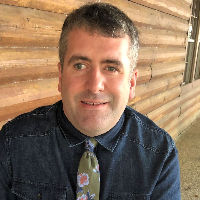
Lannie Cox is a licensed professional counselor (LPC) based in Texas who helps people work through anger, stress, anxiety, and related concerns. He listens without judgment and offers practical ways to change patterns that cause pain. His manner is direct and encouraging, aimed at helping people take usable steps forward.
He uses clear, hands-on approaches like Cognitive Behavioral Therapy and Dialectical Behavior Therapy to teach skills for managing strong emotions and impulsive reactions.
Background and approach
He also draws on Emotionally-Focused and Gottman-informed ways of looking at relationships when communication or trust is strained. Sessions focus on learning concrete tools rather than abstract theory. Prior to counseling, he spent 15 years in corporate communications and public relations, which shaped his straightforward coaching style.
He holds a master’s degree in Clinical Mental Health Counseling from West Texas A&M University and maintains his LPC in Texas. He combines that background with three years of clinical experience. In sessions he often breaks problems into small steps and practices simple exercises together.
Clients work on skills for anger control, clearer communication, impulse management, and rebuilding trust. He encourages self-reflection alongside skill-building so solutions can come from a person’s own choices. He offers a calm, pragmatic presence and sometimes lightens the work with gentle humor about everyday life.
Appointments are offered in formats that fit different schedules and needs, and he supports people who want therapy from other states or countries.
What Lannie works with
Everything Lannie lists, in the therapist's own terms. Anger is the reason this directory exists; the rest tells you what usually sits alongside it in Lannie's practice.
- Stress, Anxiety
- Relationship issues
- Family conflicts
- Parenting issues
- Depression
- Addictions
- LGBT
- Trauma and abuse
- Grief
- Intimacy-related issues
- Eating disorders
- Sleeping disorders
- Anger management
- Self esteem
- Career difficulties
- Bipolar disorder
- Coping with life changes
- Coaching
- Compassion fatigue
- ADHD
- Blended family issues
- Commitment issues
- Communication problems
- Control issues
- Dependent personality
- Divorce and separation
- Emptiness
- Family of origin issues
- Family problems
- Fatherhood issues
- Fertility issues
- Forgiveness
- Guilt and shame
- Impulsivity
- Infidelity
- Isolation / loneliness
- Jealousy
- Men's issues
- Midlife crisis
- Money and financial issues
- Narcissism
- Obsessions, compulsions, and OCD
- Panic disorder and panic attacks
- Phobias
- Pregnancy and childbirth
- Social anxiety and phobia
- Visually impaired
- Women's issues
- Workplace issues
Approaches Lannie lists
- Cognitive Behavioral Therapy (CBT)
- Dialectical Behavior Therapy (DBT)
- Emotionally-Focused Therapy (EFT)
- Gottman Method
- Mindfulness Therapy
- Motivational Interviewing
- Narrative Therapy
- Solution-Focused Therapy
Listing an approach is not evidence of training in it. This directory copies what each therapist names and does not check training records.
Practical approaches for online emotion work
CBT, or Cognitive Behavioral Therapy, helps people spot unhelpful thoughts and change them into clearer, more useful ways of thinking. It is often used for anxiety, anger, depression, and managing day-to-day stress by practicing new habits and behaviors.DBT, or Dialectical Behavior Therapy, focuses on building emotion regulation, distress tolerance, and interpersonal skills. It is useful when intense feelings or impulsive actions interfere with work, relationships, or safety. Emotionally-Focused Therapy looks at attachment and emotional responses in close relationships to improve connection and repair patterns of disconnection.
Finding the best approach is part of the first sessions. The therapist will talk with the client about needs, goals, and preferences and then suggest one or a mix of methods. The choice is collaborative and can be adjusted as therapy progresses.
Online formats include video calls, phone sessions, live chat, and text-based messaging. Video sessions allow face-to-face conversation and skill practice. Phone sessions use less bandwidth and can fit into a work break or a busy day. Live chat and messaging let people check in between meetings or handle short questions without scheduling a full session. These options make it easier to keep therapy consistent while fitting a person’s life and schedule.
Questions people ask about Lannie
What concerns does this counselor address?
He works with anger, stress, anxiety, depression, addictions, relationship and intimacy issues, grief, trauma, parenting strains, ADHD, and related challenges.
What is his general therapy style?
His style is direct and encouraging, focusing on small practical steps and skills people can use between sessions.
What kind of background does he bring to sessions?
He has a master’s degree in Clinical Mental Health Counseling and three years of counseling experience, plus a 15-year background in corporate communications.
Where is he licensed and practicing?
He is a licensed professional counselor (LPC) in Texas and practices from that state.
Which languages are supported for sessions?
Sessions are offered in English and he accepts clients from other countries.
What session formats are available?
Therapy is offered via video calls, phone sessions, live chat, or text-based messaging to fit different schedules.
How are costs and billing handled?
Fees vary with location and therapist availability and sessions use a subscription model that can be canceled at any time.
How do I begin working with him?
Click the Start Therapy button, complete a short matching questionnaire, and schedule a session according to therapist availability.