Works with
- Anger
- Stress, Anxiety
- Family conflicts
- Trauma and abuse
- Parenting issues
- Coping with life changes
How Laura works
Practical facts
- Credentials
- LCSW
- Licensed in
- Florida
- Years in practice
- 3
- Languages
- English
- Session format
- Online, through our partner platform
About Laura
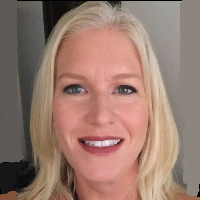
Laura Braswell is a licensed clinical social worker (LCSW) based in Florida. She brings three years of clinical experience to conversations about stress, anxiety, anger, and life transitions. Her background includes work in different counseling settings and a focus on helping people regain direction after loss or hardship.
Laura uses straightforward talk and practical steps in sessions. She listens for patterns that keep people stuck and helps them try small changes that feel manageable.
Background and approach
Sessions often include simple exercises to shift thinking, reduce reactivity, and rebuild daily routines. Her approach draws on acceptance and commitment ideas, attachment-focused thinking, and cognitive techniques. That blend aims to help people notice what matters to them, understand relationship patterns, and change unhelpful habits.
Mindfulness practices are offered when they suit a person's goals. People come to Laura with many concerns - from grief and addiction to parenting strain and body image worries. She also supports those facing career stress, fertility and adoption questions, or chronic low mood.
Anger and difficulty managing intense feelings are included among the issues she addresses. Laura describes therapy as a collaborative process. She works with each person to set clear goals and practical steps.
Sessions are paced to what the person can handle, with an emphasis on small wins that build confidence and forward momentum.
What Laura works with
Everything Laura lists, in the therapist's own terms. Anger is the reason this directory exists; the rest tells you what usually sits alongside it in Laura's practice.
- Stress, Anxiety
- Family conflicts
- Trauma and abuse
- Parenting issues
- Coping with life changes
- Addictions
- Relationship issues
- Grief
- Intimacy-related issues
- Eating disorders
- Sleeping disorders
- Anger management
- Self esteem
- Career difficulties
- Bipolar disorder
- Depression
- Coaching
- Compassion fatigue
- ADHD
- Abandonment
- Adoption and foster care
- Attachment issues
- Body image
- Codependency
- Commitment issues
- Communication problems
- Control issues
- Divorce and separation
- Domestic violence
- Drug and alcohol addiction
- Eating and food-related issues
- Emptiness
- Fertility issues
- Forgiveness
- Guilt and shame
- Hoarding
- Hospice and end-of-life counseling
- Immigration issues
- Impulsivity
- Infidelity
- Intellectual disability
- Isolation / loneliness
- Jealousy
- Life purpose
- Midlife crisis
- Money and financial issues
- Mood disorders
- Multicultural concerns
- Narcissism
- Postpartum depression
- Post-traumatic stress
- Pregnancy and childbirth
- Prejudice and discrimination
- Process addiction (porn, exercise, gambling)
- Seasonal Affective Disorder (SAD)
- Sexuality
- Social anxiety and phobia
- Women's issues
- Workplace issues
- Young adult issues
Approaches Laura lists
- Acceptance and Commitment Therapy (ACT)
- Attachment-Based Therapy
- Client-Centered Therapy
- Cognitive Behavioral Therapy (CBT)
- Mindfulness Therapy
- Motivational Interviewing
- Solution-Focused Therapy
- Trauma-Focused Therapy
Listing an approach is not evidence of training in it. This directory copies what each therapist names and does not check training records.
How her approaches shape online care
Acceptance and Commitment Therapy (ACT) invites people to clarify what matters most and then take small, values-based steps even when feelings are hard. It can help with anxiety, anger, and motivation problems by shifting focus from avoiding feelings to acting on important goals.Attachment-Based Therapy looks at patterns in close relationships and how early bonds affect behavior now. This work helps people understand why they react strongly in relationships and offers ways to build healthier connections and boundaries.
Finding the right approach is part of the process. Laura will work collaboratively to choose methods that match a client's goals and comfort level, adjusting techniques as progress is made. That means trying different tools until the sessions feel useful and manageable.
Online formats make it easier to fit therapy into a busy life. Video calls let people see visual cues and build rapport, phone sessions need less bandwidth for quieter check-ins, live chat supports brief conversations during a work break, and text messaging allows ongoing reflection between meetings. These options provide flexibility to practice skills and stay connected with a therapist across time zones and schedules.
Questions people ask about Laura
What kinds of concerns does Laura address?
She works with stress, anxiety, anger, depression, addictions, grief, relationship struggles, parenting strain, body image and related issues.
How would you describe her therapeutic style?
Laura uses a straightforward, collaborative style that mixes talk, small behavioral steps, and mindfulness exercises to help people make practical changes.
What is her clinical background?
She is a licensed clinical social worker (LCSW) with three years of clinical experience in multiple counseling settings.
Where is she located and licensed?
She is based in Florida and holds the FL LCSW credential.
Are sessions available in other languages or countries?
Sessions are offered in English and she accepts international clients.
What session formats does she use?
She meets by video calls, phone sessions, live chat, and text-based messaging to accommodate different needs and schedules.
How are costs handled for therapy?
Cost varies with location and therapist availability; sessions use a subscription model that can be canceled at any time.
How do I begin working with her?
Click the Start Therapy button, complete a short matching questionnaire, and schedule sessions according to therapist availability.