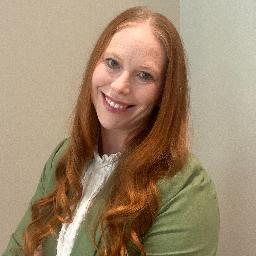
How Lauren works
Practical facts
- Credentials
- LPC
- Licensed in
- Texas
- Years in practice
- 8
- Languages
- English
- Session format
- Online, through our partner platform
About Lauren
Lauren Hawkins is a Licensed Professional Counselor (LPC) based in Texas with eight years of clinical experience. She earned a Master’s in Clinical Mental Health Counseling from Sam Houston State University. Lauren has helped people facing anxiety, depression, addictions, trauma, anger, and stress.
She also supports those navigating career strain, relationship and family concerns, and major life transitions. Her past work spans community mental health, inpatient and outpatient behavioral hospitals, transitional living programs, and schools.
Background and approach
That variety means she has worked with many kinds of situations and treatment settings. Lauren has provided both individual and group therapy across these environments. Lauren’s style is warm, interactive, and down-to-earth.
She listens closely and treats people with respect, sensitivity, and compassion. Sessions focus on practical steps and real-life problems rather than labels or jargon. Her approach mixes client-centered care with cognitive-behavioral strategies and elements of dialectical behavior and mindfulness therapy.
She adapts conversations and plans to match each person’s needs and goals. Motivational interviewing is used when people want help building readiness for change. Lauren emphasizes small, achievable steps and steady progress.
She encourages people who feel stuck to try different tools and track what helps. If someone is ready to begin, she aims to offer steady support while they work toward clearer goals and healthier habits.
What Lauren works with
Everything Lauren lists, in the therapist's own terms. Anger is the reason this directory exists; the rest tells you what usually sits alongside it in Lauren's practice.
- Stress, Anxiety
- Trauma and abuse
- Depression
- Coping with life changes
- ADHD
- Addictions
- Relationship issues
- Family conflicts
- Intimacy-related issues
- Anger management
- Self esteem
- Career difficulties
- Bipolar disorder
- Compassion fatigue
- Abandonment
- Adoption and foster care
- Antisocial personality
- Attachment issues
- Autism and Asperger Syndrome
- Body image
- Co-morbidity
- Communication problems
- Control issues
- Disruptive Mood Dysregulation Disorder (DMDD)
- Dissociation
- Eating and food-related issues
- Family problems
- Forgiveness
- Guilt and shame
- Impulsivity
- Intellectual disability
- Isolation / loneliness
- Life purpose
- Mood disorders
- Obsessions, compulsions, and OCD
- Panic disorder and panic attacks
- Personality disorders
- Post-traumatic stress
- Self-love
- Social anxiety and phobia
- Workplace issues
- Young adult issues
Approaches Lauren lists
- Client-Centered Therapy
- Cognitive Behavioral Therapy (CBT)
- Dialectical Behavior Therapy (DBT)
- Mindfulness Therapy
- Motivational Interviewing
- Narrative Therapy
- Solution-Focused Therapy
- Trauma-Focused Therapy
Listing an approach is not evidence of training in it. This directory copies what each therapist names and does not check training records.
How therapeutic approaches translate to online care
Client-Centered Therapy focuses on listening and supporting each person without judgment. It helps people feel heard and encourages them to set their own goals and pace. Cognitive Behavioral Therapy, or CBT, looks at the links between thoughts, feelings, and actions and teaches concrete skills to change unhelpful patterns; it can be useful for anxiety, depression, and anger. Dialectical Behavior Therapy, DBT, emphasizes emotion regulation, distress tolerance, and improved communication to help manage intense feelings and relationship strain.Finding the right approach is a collaborative process. The therapist will talk with the client about needs, goals, and daily life to decide which methods to emphasize. Plans are adjusted over time so the work fits what actually helps in day-to-day situations.
Online therapy offers practical flexibility. Video calls let people work face-to-face without travel. Phone sessions are handy when bandwidth is limited or when a camera is not wanted. Live chat and text-based messaging support shorter check-ins, brief skill practice, and ongoing connection between sessions. These options make it easier to fit sessions into busy schedules while using the same therapeutic approaches discussed above.
Questions people ask about Lauren
What kinds of concerns does she address?
She works with stress, anxiety, trauma, depression, anger, addictions, and related life changes like career and relationship strain.
How would you describe her therapeutic style?
Her style is warm and interactive, with a focus on listening, respect, and practical steps to handle problems.
What is her professional background?
Lauren has eight years of experience and has worked in community mental health, hospitals, transitional living, and schools.
What credentials and region are listed?
She holds the LPC credential and is licensed in Texas.
Which languages are supported and can international clients join?
Sessions are offered in English and international clients are not currently accepted.
What session formats are available?
Sessions can be done via video calls, phone sessions, live chat, or text-based messaging.
How is cost handled?
Cost varies with location and therapist availability; sessions use a subscription that can be canceled at any time.
How do I begin working with her?
Use the Start Therapy button, complete a short matching questionnaire, and schedule according to therapist availability.