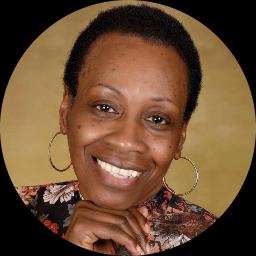
LaVerne Merritt-Morrison, LMHC
Compassionate counselor focused on managing strong emotions
Book with LaVerneWorks with
- Anger
- Addictions
- LGBT
- Trauma and abuse
- Anger management
- Self esteem
How LaVerne works
Practical facts
- Credentials
- LMHC
- Licensed in
- New York
- Years in practice
- 30
- Languages
- English
- Session format
- Online, through our partner platform
About LaVerne
LaVerne Merritt-Morrison is a Licensed Mental Health Counselor (LMHC) based in New York with 30 years of clinical experience. She draws on long experience in addiction and dual-diagnosis care to help people manage strong emotions and life changes. Her work often addresses anger alongside related concerns like stress, anxiety, depression, and relationship strain.
She uses a client-centered stance to meet each person where they are. That means she listens first, then helps set goals the client feels are useful.
Background and approach
She also uses cognitive behavioral strategies to spot unhelpful thoughts and try new behaviors. Motivational interviewing helps people find their own reasons to change. Many people come for help with substance use, compulsive behaviors, or co-occurring mental health issues.
She also supports those dealing with identity concerns, intimacy issues, and job or parenting stress. Sessions are practical and focused on skills people can use between meetings. Her training includes a master’s degree in clinical counseling with a major in addiction counseling, and decades of work in substance use and related services.
The LMHC credential is listed as NY LMHC. LaVerne builds on that background when she helps people tackle anger, guilt, or impulsivity. People will find sessions that emphasize straightforward talk, step-by-step problem solving, and steady encouragement.
LaVerne aims to create a space where people can understand their reactions and try new ways of coping. She works with each person to set realistic next steps toward calmer daily life.
What LaVerne works with
Everything LaVerne lists, in the therapist's own terms. Anger is the reason this directory exists; the rest tells you what usually sits alongside it in LaVerne's practice.
- Addictions
- LGBT
- Trauma and abuse
- Anger management
- Self esteem
- Stress, Anxiety
- Relationship issues
- Family conflicts
- Intimacy-related issues
- Parenting issues
- Career difficulties
- Depression
- Coping with life changes
- Abandonment
- Antisocial personality
- Attachment issues
- Co-morbidity
- Codependency
- Drug and alcohol addiction
- Guilt and shame
- HIV / AIDS
- Impulsivity
- Isolation / loneliness
- Midlife crisis
- Narcissism
- Obsessions, compulsions, and OCD
- Panic disorder and panic attacks
- Personality disorders
- Prejudice and discrimination
- Process addiction (porn, exercise, gambling)
- Self-love
- Sex addiction
- Social anxiety and phobia
- Women's issues
Approaches LaVerne lists
Listing an approach is not evidence of training in it. This directory copies what each therapist names and does not check training records.
Approaches that guide online sessions
LaVerne uses client-centered therapy to focus on each person's experience and priorities. In practice that means the therapist listens carefully and helps clients set goals that matter to them, rather than imposing a fixed plan.Cognitive Behavioral Therapy, or CBT, helps people notice patterns of thinking that lead to angry or anxious reactions and practice different responses. It is useful for problems like panic, intrusive thoughts, compulsive behaviors, and mood shifts.
Motivational Interviewing is a conversational method that helps people find their own reasons to change. It is often used when someone feels stuck about substance use, impulsivity, or making life changes.
Choosing the right approach is a shared process. In early conversations LaVerne will talk about the options, ask about goals and past experience, and then tailor a mix of methods to fit the client's needs and preferences. People often shift strategies as they learn what helps.
Online therapy offers practical flexibility. Video calls let people work face-to-face when that is helpful. Phone sessions can be a lighter option when bandwidth is limited or a short check-in is needed. Live chat and text-based messaging allow brief updates and ongoing support between sessions. These formats make it easier to fit therapy into busy schedules and different routines.
Questions people ask about LaVerne
What concerns does LaVerne address?
She works with many issues including addictions, anger, trauma and abuse, anxiety, depression, self-esteem, relationship and intimacy-related concerns, parenting stress, and coping with life changes.
How would you describe her therapy style?
The style is client-centered with practical tools from cognitive behavioral therapy and motivational interviewing, focusing on clear steps people can try between sessions.
How much clinical experience does she have?
She brings 30 years of experience, including long experience in substance use work and many years supporting people with dual diagnosis and co-occurring concerns.
What credentials and location are listed?
She is a Licensed Mental Health Counselor listed as NY LMHC and practices from New York.
In which languages can sessions be held?
Sessions are offered in English and international clients are accepted.
What session formats are available?
LaVerne offers video calls, phone sessions, live chat, and text-based messaging to fit different schedules and needs.
How is cost handled?
Costs vary by location and therapist availability; sessions use a subscription model that can be canceled at any time.
What are the first steps to begin?
Click the Start Therapy button, complete a short matching questionnaire, and then schedule sessions according to therapist availability.