Works with
- Anger
- Stress, Anxiety
- Addictions
- Family conflicts
- Trauma and abuse
- Self esteem
How Lewis works
Practical facts
- Credentials
- LPC
- Licensed in
- District of Columbia
- Years in practice
- 25
- Languages
- English
- Session format
- Online, through our partner platform
About Lewis
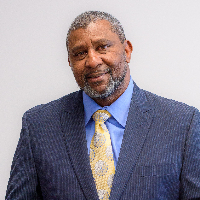
Lewis Smith is a Licensed Professional Counselor with 25 years of experience helping people through hard seasons. He focuses on practical steps to reduce stress, manage anger, and cope with anxiety. His straightforward style helps people get unstuck and make changes that fit day-to-day life.
He spends time listening to what matters most and then builds a plan that fits each person's needs. Sessions look at thoughts, behaviors, and relationship patterns that keep problems going.
Background and approach
He also works with concerns such as addiction, grief, depression, bipolar disorder, and parenting strain. Lewis uses tools that emphasize clarity and action. He might help a client notice unhelpful thinking, practice different ways to respond to conflict, or set small goals to regain control.
Motivational techniques are used when someone is unsure about making changes. People who come to Lewis often want clear options and homework they can use between sessions. He draws on client-centered listening and solution-focused steps to keep therapy practical.
Emotion-focused work is available when feelings need to be named and understood. He provides online care from the District of Columbia and conducts sessions in English. International clients may be accepted.
Cost varies with location and sessions use a subscription that can be canceled at any time.
What Lewis works with
Everything Lewis lists, in the therapist's own terms. Anger is the reason this directory exists; the rest tells you what usually sits alongside it in Lewis's practice.
- Stress, Anxiety
- Addictions
- Family conflicts
- Trauma and abuse
- Self esteem
- Relationship issues
- Grief
- Intimacy-related issues
- Parenting issues
- Anger management
- Career difficulties
- Bipolar disorder
- Depression
- Coping with life changes
- Coaching
- Compassion fatigue
- ADHD
- Abandonment
- Adoption and foster care
- Aging and geriatric issues
- Avoidant personality
- Blended family issues
- Caregiver issues and stress
- Chronic pain, illness, and disability
- Codependency
- Communication problems
- Control issues
- Family problems
- Fatherhood issues
- Forgiveness
- Guilt and shame
- Impulsivity
- Men's issues
- Mood disorders
- Multicultural concerns
- Panic disorder and panic attacks
- Post-traumatic stress
- Prejudice and discrimination
- Self-love
- Social anxiety and phobia
- Workplace issues
Approaches Lewis lists
- Client-Centered Therapy
- Cognitive Behavioral Therapy (CBT)
- Emotionally-Focused Therapy (EFT)
- Motivational Interviewing
- Solution-Focused Therapy
- Internal Family Systems
- Systemic Therapy
Listing an approach is not evidence of training in it. This directory copies what each therapist names and does not check training records.
How therapy approaches translate to online care
Client-Centered Therapy focuses on empathic listening and following the client's lead to find what matters. Online sessions let a therapist listen closely and reflect back what they hear so a person can name feelings and make clearer choices.Cognitive Behavioral Therapy, or CBT, helps people notice unhelpful thoughts and try different behaviors to change mood and reactions. In online work CBT often uses brief exercises, thought records, and practiced skills between sessions to reduce anxiety, anger, and depression.
Emotionally-Focused Therapy helps people identify, express, and process core emotions that affect relationships and self-worth. Online sessions can provide space to slow down, track patterns, and practice new emotional responses with the therapist's guidance.
Finding the right approach is part of the work. The therapist will talk with each person about goals, preferences, and what feels useful. Together they choose or combine methods so the plan fits the client's life and needs.
Online formats include video calls, phone sessions, live chat, and text-based messaging. Video is good for full conversations and visual cues. Phone calls can fit a break at work or use less bandwidth. Live chat and text messaging work well for brief check-ins, step-by-step coaching, or when someone prefers writing. These options make therapy more flexible and easier to fit into a busy life.
Questions people ask about Lewis
What kinds of problems does Lewis help with?
He works with stress, anxiety, anger, addictions, trauma, relationship problems, grief, depression, bipolar disorder, ADHD, and related concerns.
What is his therapy style like?
He uses a practical, goal-oriented style with client-centered listening. Sessions mix talk, coping skills, and small homework tasks to support change.
How much experience does he have?
Lewis has 25 years of clinical experience working with a wide range of life and mental health challenges.
Where is he licensed and based?
He holds a DC LPC credential and is based in the District of Columbia.
Which languages are available for sessions?
Sessions are offered in English and international clients are accepted.
What session formats are offered?
Sessions are available by video calls, phone sessions, live chat, or text-based messaging.
How does pricing work?
Cost varies with location and therapist availability; sessions use a subscription that can be canceled at any time.
How do I get started with therapy?
Select the Start Therapy button, complete a short matching questionnaire, and schedule according to the therapist's availability.