Works with
- Anger
- Stress, Anxiety
- Addictions
- Relationship issues
- Trauma and abuse
- Depression
How Linda works
Practical facts
- Credentials
- LMHC, LCPC
- Licensed in
- Florida, Illinois, New York
- Years in practice
- 25
- Languages
- English
- Session format
- Online, through our partner platform
About Linda
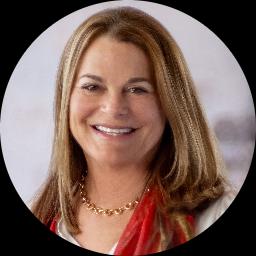
Linda Goldsmith is a licensed mental health counselor with 25 years of experience who helps people manage strong emotions and life changes. She works with individuals facing anger, anxiety, depression, addiction, grief, and stress. Her style is calm and direct, and she aims to make sessions practical and easy to follow.
Linda uses straightforward talk therapy to help people understand what drives their reactions. She blends Client-Centered Therapy with tools from Cognitive Behavioral Therapy and Dialectical Behavior Therapy to teach coping skills.
Background and approach
Sessions focus on building new habits, improving communication, and reducing intense emotional reactions. Her work often addresses relationship strain, intimacy concerns, parenting stress, and family-of-origin wounds. She also supports people dealing with chronic health challenges, caregiver stress, and end-of-life matters.
Linda pays attention to how past experiences shape current behavior and safety in relationships. Clients can expect a mix of skills practice and reflective conversation. Linda helps people set clear goals, try new strategies between sessions, and track what changes.
She explains techniques in plain language and adapts plans as needs shift. Linda holds the Licensed Mental Health Counselor credential and the Licensed Clinical Professional Counselor credential. She practices from Florida and offers video, phone, live chat, and text-based messaging for remote sessions.
Sessions use a subscription that can be canceled at any time.
What Linda works with
Everything Linda lists, in the therapist's own terms. Anger is the reason this directory exists; the rest tells you what usually sits alongside it in Linda's practice.
- Stress, Anxiety
- Addictions
- Relationship issues
- Trauma and abuse
- Depression
- Family conflicts
- Grief
- Intimacy-related issues
- Sleeping disorders
- Parenting issues
- Anger management
- Self esteem
- Career difficulties
- Bipolar disorder
- Coping with life changes
- Compassion fatigue
- ADHD
- Abandonment
- Aging and geriatric issues
- Attachment issues
- Caregiver issues and stress
- Chronic pain, illness, and disability
- Codependency
- Communication problems
- Drug and alcohol addiction
- Family of origin issues
- Hospice and end-of-life counseling
- Isolation / loneliness
- Mood disorders
- Postpartum depression
- Post-traumatic stress
- Self-love
- Sex addiction
- Social anxiety and phobia
- Women's issues
Approaches Linda lists
- Client-Centered Therapy
- Cognitive Behavioral Therapy (CBT)
- Dialectical Behavior Therapy (DBT)
- Gottman Method
- Imago Relationship Therapy
- Mindfulness Therapy
- Motivational Interviewing
- Psychodynamic Therapy
- Solution-Focused Therapy
- Internal Family Systems
Listing an approach is not evidence of training in it. This directory copies what each therapist names and does not check training records.
How Linda Uses Evidence-Based Approaches Online
Client-Centered Therapy emphasizes a respectful, nonjudgmental meeting where the therapist follows the client’s lead and helps clarify goals. This approach supports people who need understanding and a steady place to sort through feelings.Cognitive Behavioral Therapy, or CBT, focuses on the link between thoughts, feelings, and behaviors. It teaches practical tools for shifting unhelpful thinking and changing routines, which can help with anxiety, depression, and anger management.
Dialectical Behavior Therapy, or DBT, adds concrete skills for emotion regulation, distress tolerance, and stronger interpersonal boundaries. Those techniques are useful when emotional reactions feel overwhelming or cycle repeatedly.
Finding the right approach is part of the work together. The therapist will talk with the client about goals and preferences and then suggest options. That plan can change as progress is made so treatment stays practical and relevant.
Online sessions are offered by video call, phone, live chat, or text-based messaging to increase flexibility. Video is useful for in-depth conversation and skills practice, phone works when bandwidth is limited, live chat or texting can support quick check-ins or brief coaching. These options help people fit care into busy schedules and maintain consistent contact with a licensed professional.
Questions people ask about Linda
What kinds of problems does Linda address?
She works with a wide range of concerns including anger, anxiety, depression, addictions, grief, relationship strain, sleep problems, and career stress.
What is her therapy style like?
Sessions are practical and conversational, combining supportive listening with skill-building from CBT and DBT. The focus is on real steps clients can use between meetings.
How much clinical experience does she have?
Linda has 25 years of experience working with people on mood disorders, trauma, substance issues, caregiving stress, and life transitions.
What credentials and location are listed?
She holds LMHC and LCPC credentials and practices from Florida with professional registrations noted as FL LMHC and IL LCPC.
Which languages are supported for sessions?
Sessions are offered in English.
What session formats are available?
Linda offers video calls, phone sessions, live chat, and text-based messaging to fit different needs and schedules.
How does pricing work?
Cost varies with location and therapist availability; sessions are provided through a subscription model that can be canceled at any time.
How do I begin working together?
Start by selecting the Start Therapy button, complete a short matching questionnaire, and then schedule based on therapist availability.