Works with
- Anger
- Addictions
- Relationship issues
- Family conflicts
- Trauma and abuse
- Anger management
How Linda works
Practical facts
- Credentials
- CSW
- Licensed in
- Colorado
- Years in practice
- 25
- Languages
- English
- Session format
- Online, through our partner platform
About Linda
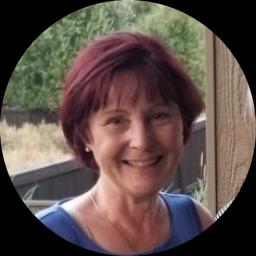
Linda Newton, LCSW is a Licensed Clinical Social Worker with 25 years of experience helping people manage strong emotions and life stressors. She works from Colorado and brings long-term clinical experience with trauma, addiction, mood disorders, and relationship struggles. Linda aims to make therapy practical and focused on everyday change.
Her background includes extensive work with trauma and post-traumatic stress, including cases with complex and co-occurring issues. She has designed psychoeducational curricula that explain how trauma, substance use, and self-esteem interact.
Background and approach
That work informs how she structures sessions and homework. Linda uses approaches that fit the person in front of her rather than a single method for everyone. She draws on Client-Centered principles to build trust and on Cognitive Behavioral Therapy and Dialectical Behavior Therapy skills to manage mood, anxiety, and anger.
Eye Movement Desensitization and Reprocessing is part of her toolkit for processing traumatic memories when appropriate. People often seek her help for addiction, anger, depression, bipolar disorder, stress, and anxiety. She also supports those dealing with family of origin issues, communication problems, control issues, and the emotional fallout of divorce or separation.
She works with concerns around guilt, forgiveness, and life purpose as well. Sessions are offered in English and delivered online through video, phone, live chat, or text-based messaging. Linda uses a collaborative style - she helps clients set goals and picks techniques that match their needs and daily life.
Her aim is steady, practical progress rather than quick fixes.
What Linda works with
Everything Linda lists, in the therapist's own terms. Anger is the reason this directory exists; the rest tells you what usually sits alongside it in Linda's practice.
- Addictions
- Relationship issues
- Family conflicts
- Trauma and abuse
- Anger management
- Stress, Anxiety
- Self esteem
- Bipolar disorder
- Depression
- Abandonment
- BDSM, kink, and alternative sex culture
- Co-morbidity
- Communication problems
- Control issues
- Divorce and separation
- Drug and alcohol addiction
- Family of origin issues
- Family problems
- Fertility issues
- Forgiveness
- Guilt and shame
- Life purpose
- Veteran and Armed Forces Issues
- Post-traumatic stress
- Seasonal Affective Disorder (SAD)
- Sexual assault and abuse
- Women's issues
Approaches Linda lists
- Client-Centered Therapy
- Cognitive Behavioral Therapy (CBT)
- Dialectical Behavior Therapy (DBT)
- Eye Movement Desensitization and Reprocessing (EMDR)
- Gottman Method
- Psychodynamic Therapy
- Solution-Focused Therapy
- Trauma-Focused Therapy
Listing an approach is not evidence of training in it. This directory copies what each therapist names and does not check training records.
How Linda’s approaches translate to online care
Client-Centered Therapy focuses on listening and creating a respectful space where people can talk through what matters most. This approach helps build trust and guides treatment choices based on the person's goals and values.Cognitive Behavioral Therapy, or CBT, looks at the links between thoughts, feelings, and behavior. Online CBT sessions often involve practicing specific strategies, tracking mood and activities, and using short exercises between meetings to reduce anxiety, anger, and depressive symptoms.
Dialectical Behavior Therapy, or DBT, teaches practical skills for emotion regulation, distress tolerance, and clearer communication. These skills are useful for managing intense anger, stress, and relationship conflicts and can be taught and reinforced through brief messages or modules between live sessions.
Finding the right blend of approaches is part of the work. The therapist will talk with the client about goals and preferences, then recommend techniques to try together. This is a collaborative process that can change as needs evolve.
Online formats give flexibility for fitting therapy into a busy life. Video calls allow face-to-face interaction and skills practice. Phone sessions work well when bandwidth or camera use is limited. Live chat and text messaging let clients check in more frequently and use brief coaching between sessions. These options make it easier to keep momentum and use skills when they matter most.
Questions people ask about Linda
What kinds of concerns does she help with?
She works with addictions, trauma and post-traumatic stress, anger, stress, anxiety, depression, bipolar disorder, relationship and family issues, and self-esteem concerns.
What is her approach to therapy like?
Her style is collaborative and practical. She combines Client-Centered listening with CBT and DBT skills to manage emotions and change unhelpful patterns.
How much experience does she have?
She has 25 years of clinical experience, including work developing psychoeducational classes and treating complex trauma with co-occurring issues.
Where is she based and what are her credentials?
She practices from Colorado and holds the credential LCSW and CSW, with Colorado licensure noted as CO LCSW.
Can people meet with her in other languages or from other countries?
Sessions are offered in English. She does not accept international clients at this time.
What session formats are available?
She provides video calls, phone sessions, live chat, and text-based messaging to fit different schedules and communication styles.
How does cost and payment work?
Costs vary with location and therapist availability. Sessions use a subscription model that can be canceled at any time.
How do I begin working with her?
Choose the Start Therapy button, complete a short matching questionnaire, and schedule a first session based on therapist availability.