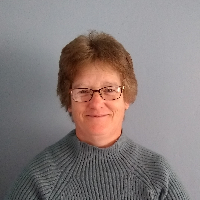
How Lisa works
Practical facts
- Credentials
- LPC
- Licensed in
- Michigan, South Carolina
- Years in practice
- 7
- Languages
- English
- Session format
- Online, through our partner platform
About Lisa
Lisa Draper is a Licensed Professional Counselor who focuses on practical help for people feeling overwhelmed by anger, stress, or major life changes. She offers straightforward support for anxiety, depression, addictions, grief, sleep problems, and low self-esteem. She speaks plain language and aims to make each session feel like a next step forward.
Lisa draws on her life experience and seven years of counseling work to meet people where they are.
Background and approach
She listens first, then helps clients set clear, manageable goals. Sessions are collaborative and paced to each person’s needs rather than following a one-size-fits-all script. Her background includes military service and work in emergency response and corrections, experiences that shaped a practical, no-nonsense approach.
That background informs how she helps people cope with trauma, first responder issues, veteran and armed forces concerns, and the stress of caregiving or blended family situations. Lisa uses several well-known methods in her work, including Acceptance and Commitment Therapy, cognitive behavioral techniques, mindfulness, client-centered support, and EMDR for processing traumatic memories when appropriate.
She helps people build skills for managing anger, improving communication, and handling co-occurring challenges like chronic pain or substance use. Clients who choose her can expect clear goals, simple tools to practice between sessions, and a partner who values steady progress. Many people come for help with anger and find ways to reduce explosive reactions and increase calm in day-to-day life.
What Lisa works with
Everything Lisa lists, in the therapist's own terms. Anger is the reason this directory exists; the rest tells you what usually sits alongside it in Lisa's practice.
- Stress, Anxiety
- Addictions
- Trauma and abuse
- Depression
- Coping with life changes
- LGBT
- Relationship issues
- Grief
- Sleeping disorders
- Anger management
- Self esteem
- Compassion fatigue
- ADHD
- Blended family issues
- Caregiver issues and stress
- Chronic pain, illness, and disability
- Co-morbidity
- Communication problems
- Coping with natural or human-caused disaster
- Dissociation
- Divorce and separation
- Domestic violence
- Emptiness
- First responder issues
- Forgiveness
- Guilt and shame
- Midlife crisis
- Veteran and Armed Forces Issues
- Mood disorders
- Obsessions, compulsions, and OCD
- Panic disorder and panic attacks
- Personality disorders
- Post-traumatic stress
- Seasonal Affective Disorder (SAD)
- Social anxiety and phobia
- Traumatic brain injury
Approaches Lisa lists
- Acceptance and Commitment Therapy (ACT)
- Client-Centered Therapy
- Cognitive Behavioral Therapy (CBT)
- Eye Movement Desensitization and Reprocessing (EMDR)
- Mindfulness Therapy
- Motivational Interviewing
- Psychodynamic Therapy
- Solution-Focused Therapy
- Trauma-Focused Therapy
Listing an approach is not evidence of training in it. This directory copies what each therapist names and does not check training records.
How Lisa’s approaches translate to online care
Acceptance and Commitment Therapy (ACT) focuses on helping people notice what matters most and take small steps toward those values even when emotions are strong. It can help with anger, avoidance, and coping with life changes. Cognitive Behavioral Therapy (CBT) looks at links between thoughts, feelings, and behaviors and teaches practical skills to change unhelpful patterns. It is often used for anxiety, depression, and sleep problems. Eye Movement Desensitization and Reprocessing (EMDR) is a process used to work with distressing memories and trauma symptoms when that work fits the client’s needs.Finding the right approach is part of therapy. Lisa will work together with each person to decide which methods fit their goals, pace, and comfort level. That collaborative planning means approaches can be adjusted over time as progress is made or priorities change.
Online formats include video calls, phone sessions, live chat, and text-based messaging. Video is useful for a full session that feels most like meeting in person. Phone calls can be a simpler option with lower bandwidth. Live chat or text messaging work well for quick check-ins, brief skill coaching, or ongoing support between sessions. These options make scheduling easier and let people use therapy in ways that fit their day-to-day life.
Questions people ask about Lisa
What concerns does Lisa address in therapy?
She helps people with stress, anxiety, depression, addiction issues, trauma and abuse, grief, sleep problems, anger, self-esteem, ADHD, and related concerns.
What is her therapeutic style like?
Her style is collaborative and practical. She listens first, then works with clients to set clear goals and teach simple skills to use between sessions.
How much clinical experience does she have?
She has seven years of counseling experience and several years working with adults with substance use concerns.
What credentials and location are listed?
She is a Licensed Professional Counselor (LPC) with credentials noted as MI LPC and SC LPC and practices from Michigan.
Which languages and client regions are supported?
Sessions are offered in English and she accepts international clients.
What session formats are available online?
She offers video calls, phone sessions, live chat, and text-based messaging to fit different communication needs.
How is cost handled for sessions?
Cost varies with location and therapist availability; sessions use a subscription model that can be canceled at any time.
How do I begin working with her?
Start by selecting the Start Therapy button, complete a short matching questionnaire, then schedule sessions based on therapist availability.