Works with
How Lora works
Practical facts
- Credentials
- LPC
- Licensed in
- Texas
- Years in practice
- 13
- Languages
- English
- Session format
- Online, through our partner platform
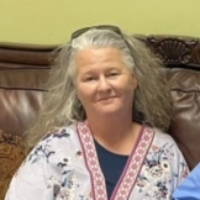
About Lora
Lora Jones is a licensed professional counselor (LPC) in Texas with 13 years of experience. She helps people who are dealing with stress, anxiety, depression, trauma, anger, grief, addictions, and a range of other concerns. Her manner is warm and unpretentious, and she focuses on meeting people where they are.
She describes her style as casual, non-judgmental, and empathetic. Sessions are meant to feel respectful and sometimes even lightly humorous when appropriate.
Background and approach
Lora aims to build a working plan together rather than impose a fixed method. Her background includes work in inpatient psychiatric care, long-term residential programs, outpatient settings, in-home services, and community support programs. That variety shaped her ability to adapt approaches to different challenges and life circumstances.
Clinically she draws from client-centered ideas, cognitive behavioral techniques, emotionally-focused work, Jungian perspectives, and mindfulness practices. She also uses motivational interviewing and solution-focused strategies when they fit the need. The approach is selected based on the person and their goals.
Lora has supported people with many specific concerns such as ADHD, bipolar symptoms, relationship and intimacy issues, parenting stress, compassion fatigue, abandonment and attachment issues, autism spectrum concerns, and difficulties tied to trauma. She also works with people who identify as LGBT and those navigating gender questions.
If someone wants a practical, humane guide through life changes and emotional struggles, Lora aims to offer encouragement and clear steps. She works collaboratively to help people move toward the future they want.
What Lora works with
Everything Lora lists, in the therapist's own terms. Anger is the reason this directory exists; the rest tells you what usually sits alongside it in Lora's practice.
- Stress, Anxiety
- LGBT
- Trauma and abuse
- Depression
- ADHD
- Addictions
- Relationship issues
- Family conflicts
- Grief
- Intimacy-related issues
- Parenting issues
- Anger management
- Self esteem
- Bipolar disorder
- Coping with life changes
- Compassion fatigue
- Abandonment
- Adoption and foster care
- Aging and geriatric issues
- Attachment issues
- Autism and Asperger Syndrome
- Avoidant personality
- BDSM, kink, and alternative sex culture
- Commitment issues
- Communication problems
- Control issues
- Dependent personality
- Dissociation
- Domestic violence
- First responder issues
- Forgiveness
- Gender dysphoria
- Guilt and shame
- Isolation / loneliness
- Jealousy
- Mood disorders
- Narcissism
- Panic disorder and panic attacks
- Polyamory / non-monogamous relationships
- Post-traumatic stress
- Seasonal Affective Disorder (SAD)
- Self-harm
- Self-love
- Sex addiction
- Sexual assault and abuse
- Sexual dysfunction
- Sexuality
- Social anxiety and phobia
- Traumatic brain injury
- Women's issues
Approaches Lora lists
- Client-Centered Therapy
- Cognitive Behavioral Therapy (CBT)
- Emotionally-Focused Therapy (EFT)
- Jungian Therapy
- Mindfulness Therapy
- Motivational Interviewing
- Narrative Therapy
- Solution-Focused Therapy
- Trauma-Focused Therapy
Listing an approach is not evidence of training in it. This directory copies what each therapist names and does not check training records.
How therapeutic approaches translate to online care
Client-Centered Therapy focuses on listening closely and responding to each person's experience, helping someone feel heard while they decide on goals and next steps. Cognitive Behavioral Therapy (CBT) looks at patterns of thought and behavior and teaches practical skills to shift unhelpful reactions, which can be useful for anger, anxiety, and mood concerns. Emotionally-Focused Therapy (EFT) helps people tune into feelings and attachment needs to improve how they relate to themselves and others.Finding the right approach is part of the work. The therapist collaborates with each person to identify which methods feel most useful based on their needs, goals, and preferences. Techniques can be blended and adjusted over time so the plan stays relevant as progress is made.
Online formats make it easier to fit therapy into a busy life. Video calls provide face-to-face interaction for deeper emotional work. Phone sessions can be a good option when bandwidth is limited or when a shorter check-in is needed. Live chat and text-based messaging let people send updates, ask questions between sessions, or keep the momentum going without scheduling a full session. These options add flexibility while keeping the focus on practical skills and steady progress.
Questions people ask about Lora
What concerns does Lora commonly address?
She supports people with stress, anxiety, depression, trauma and abuse, anger, grief, addictions, ADHD, relationship and intimacy issues, and many related concerns.
How would you describe the therapeutic style here?
The style is casual, non-judgmental, empathetic, warm, and sometimes lightly humorous while staying respectful and focused on practical steps.
What is Lora's background in mental health work?
She has 13 years of experience and has worked in inpatient psychiatric care, long-term residential care, outpatient settings, in-home care, and community support programs.
What credentials and location apply to this therapist?
She is a licensed professional counselor, LPC, practicing in Texas.
Which languages and international arrangements are supported?
Sessions are offered in English and international clients are accepted.
What session formats does she offer online?
Sessions can be arranged as video calls, phone sessions, live chat, or text-based messaging depending on client preference.
How are costs handled for sessions?
Cost varies with location and therapist availability; sessions use a subscription that can be canceled at any time.
What are the steps to begin working with this therapist?
Start by selecting the Start Therapy button, complete the short matching questionnaire, and then schedule sessions according to the therapist's availability.