Works with
- Anger
- Stress, Anxiety
- Relationship issues
- Grief
- Self esteem
- Coping with life changes
How Lynnette works
Practical facts
- Credentials
- LPC
- Licensed in
- Colorado
- Years in practice
- 15
- Languages
- English
- Session format
- Online, through our partner platform
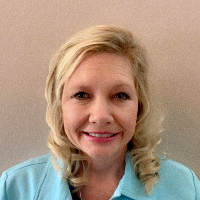
About Lynnette
Lynnette Craig is a Licensed Professional Counselor (LPC) who focuses on helping people manage stress, anger, anxiety, and life transitions. She writes in a straightforward way and aims to create a calm space where people can talk through what feels overwhelming. Lynnette draws on 15 years of experience to guide practical steps toward clearer choices and steadier emotions.
Her work often addresses relationship strains, grief, addictive behaviors, sleep and eating concerns, and mood conditions such as depression and bipolar disorder.
Background and approach
She also helps people dealing with caregiver stress, attachment questions, guilt and shame, and feelings of isolation. Clients can expect sessions that balance emotional support with real skills for day-to-day coping. Lynnette uses a mix of approaches rather than a single method.
She leans on attachment-focused ideas to understand patterns in close relationships and uses cognitive behavioral techniques to spot unhelpful thought and behavior cycles. Emotion-focused ideas and client-centered listening help when the main need is to process strong feelings. Her background includes work in independent practice and settings that served people in recovery, residential care, and court-referred services.
That range of experience means she’s comfortable with both short-term problem solving and longer-term work on recurring patterns. Lynnette practices in Colorado and provides care in English. She frames therapy as a collaborative effort where the person’s goals shape the plan.
Sessions aim to be practical and respectful, with attention to what’s useful right now and what builds toward lasting change.
What Lynnette works with
Everything Lynnette lists, in the therapist's own terms. Anger is the reason this directory exists; the rest tells you what usually sits alongside it in Lynnette's practice.
- Stress, Anxiety
- Relationship issues
- Grief
- Self esteem
- Coping with life changes
- Addictions
- Family conflicts
- Trauma and abuse
- Intimacy-related issues
- Eating disorders
- Sleeping disorders
- Parenting issues
- Anger management
- Career difficulties
- Bipolar disorder
- Depression
- Compassion fatigue
- ADHD
- Attachment issues
- Caregiver issues and stress
- Control issues
- Forgiveness
- Guilt and shame
- Isolation / loneliness
- Life purpose
- Post-traumatic stress
- Seasonal Affective Disorder (SAD)
- Self-love
Approaches Lynnette lists
- Attachment-Based Therapy
- Client-Centered Therapy
- Cognitive Behavioral Therapy (CBT)
- Emotionally-Focused Therapy (EFT)
- Existential Therapy
- Motivational Interviewing
- Psychodynamic Therapy
- Solution-Focused Therapy
- Somatic Therapy
- Trauma-Focused Therapy
Listing an approach is not evidence of training in it. This directory copies what each therapist names and does not check training records.
How Lynnette’s Approaches Work Online
Attachment-Based Therapy focuses on patterns in close relationships and how early attachments shape current reactions; it helps people untangle repeating relationship patterns and feel more supported in connections. Client-Centered Therapy emphasizes empathy and nonjudgmental listening while the person guides the pace and topics; this approach helps when someone needs validation and space to sort through feelings. Cognitive Behavioral Therapy (CBT) looks at the links between thoughts, feelings, and actions and offers clear strategies to change unhelpful patterns, which can help with anxiety, anger, and mood concerns.Choosing the right approach is part of the work. The therapist will collaborate with each person to figure out which ideas and techniques fit their goals and preferences. That means sessions can shift over time - more skill-building when practical tools are needed, more emotion-focused listening when processing is the priority.
Online sessions are offered by video calls, phone, live chat, or text-based messaging to make therapy easier to fit into a busy life. Video is useful for in-depth conversations, phone can be a good lower-bandwidth option, and messaging or live chat can work well for brief check-ins or when someone needs flexible timing. These formats help people connect from different locations and schedules while working on relationship patterns, anger, stress, and other concerns.
Questions people ask about Lynnette
What concerns does she commonly address?
She works with stress, anger, anxiety, grief, relationship strain, addictions, sleep and eating issues, depression, bipolar symptoms, ADHD, and related life changes.
What is her therapeutic style like?
Her style is client-centered and compassionate, combining warm listening with practical tools from several approaches to help people manage feelings and behaviors.
How long has she practiced counseling?
She has 15 years of counseling experience across independent practice, residential care, recovery inpatient settings, and work with court-referred clients.
What credentials and location are listed?
She is a Licensed Professional Counselor - LPC - practicing in Colorado.
In which languages can sessions be held?
Sessions are offered in English only.
What session formats are available?
She offers video calls, phone sessions, live chat, and text-based messaging to fit different schedules and needs.
How is cost handled for sessions?
Cost varies with location and therapist availability; sessions use a subscription that can be canceled at any time.
What does someone do to get started?
Click the Start Therapy button, complete a short matching questionnaire, and then schedule a session according to therapist availability.