Works with
- Anger
- Stress, Anxiety
- Family conflicts
- Trauma and abuse
- Grief
- Depression
How Lynor works
Practical facts
- Credentials
- LCSW
- Licensed in
- California
- Years in practice
- 30
- Languages
- English
- Session format
- Online, through our partner platform
About Lynor
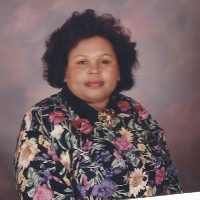
Dr. Lynor Jackson brings three decades of clinical experience to people seeking help with overwhelming emotions and difficult life moments. She is a Licensed Clinical Social Worker (LCSW) based in California who has worked across health care, education, and juvenile justice settings.
She speaks English and draws on long experience supporting people in crisis. Across her career she has helped people manage depression, anxiety, grief, trauma and abuse, and problems with anger and addiction.
Background and approach
She has also offered guidance for those facing caregiver stress, parenting challenges, relationship and intimacy concerns, and major life transitions. Her background includes collaboration with school and probation staff to support behavioral change and safer paths forward. Her way of working is practical and supportive.
She uses cognitive behavioral techniques alongside client-centered and narrative methods to help people identify unhelpful thoughts and try new behaviors. Trauma-focused ideas guide her when past harm continues to affect daily life. Sessions focus on clear goals and steps that feel manageable.
She listens for what matters most and helps people practice skills between appointments. The emphasis is on empowering people to make changes that improve day-to-day functioning and reduce distress. Dr.
Jackson aims to help people regain steadiness during hard times. She offers video calls, phone sessions, live chat, and text-based messaging to fit different needs and schedules. To begin, users complete a short matching questionnaire and schedule according to the therapist's availability.
What Lynor works with
Everything Lynor lists, in the therapist's own terms. Anger is the reason this directory exists; the rest tells you what usually sits alongside it in Lynor's practice.
- Stress, Anxiety
- Family conflicts
- Trauma and abuse
- Grief
- Depression
- Addictions
- LGBT
- Relationship issues
- Intimacy-related issues
- Eating disorders
- Sleeping disorders
- Parenting issues
- Anger management
- Self esteem
- Coping with life changes
- Compassion fatigue
- ADHD
- Abandonment
- Adoption and foster care
- Aging and geriatric issues
- Blended family issues
- Caregiver issues and stress
- Communication problems
- Coping with natural or human-caused disaster
- Divorce and separation
- Domestic violence
- Emptiness
- Family of origin issues
- Fatherhood issues
- Hospice and end-of-life counseling
- Impulsivity
- Isolation / loneliness
- Life purpose
- Mood disorders
- Multicultural concerns
- Pregnancy and childbirth
- Prejudice and discrimination
- Self-love
- Somatization
- Women's issues
- Young adult issues
Approaches Lynor lists
Listing an approach is not evidence of training in it. This directory copies what each therapist names and does not check training records.
Approaches used online and how they help
Client-centered therapy focuses on the person's experience and aims to create a respectful, nonjudgmental space where they can talk through what matters most. It helps people clarify goals and feel heard. Cognitive Behavioral Therapy, or CBT, looks at how thoughts affect feelings and behaviors and teaches concrete skills for managing anxiety, anger, and mood changes. Narrative therapy helps people reframe their stories by separating them from problems and identifying strengths that support change.Choosing the right approach is part of the work together. The therapist will talk with each person about needs, goals, and preferences, and then try methods that fit. That collaborative planning makes it easier to adjust methods if something isn't working.
Online sessions are offered by video calls, phone sessions, live chat, or text-based messaging to increase flexibility. Video lets people read facial cues and try exercises together. Phone sessions can be easier when bandwidth or camera use is limited. Live chat and messaging suit brief check-ins, quick skill practice, or participants who prefer typed communication. These options help fit therapy into busy days and varied lifestyles.
Questions people ask about Lynor
What concerns does she address?
She works with a wide range of concerns including stress, anxiety, depression, grief, trauma and abuse, anger, addictions, relationship and intimacy issues, eating and sleeping problems, parenting strain, ADHD, and compassion fatigue.
What is her therapeutic style?
Her style is practical and supportive. She combines client-centered listening with cognitive behavioral and narrative techniques and uses trauma-focused ideas when past harm affects current life.
How much experience does she have?
She has approximately 30 years of experience working in health care, educational, and juvenile justice settings supporting crisis intervention, behavioral change, and emotional recovery.
Where is she licensed and based?
She is a Licensed Clinical Social Worker (LCSW) licensed in California and practices with that regional focus.
Which languages are supported?
Sessions are offered in English.
Can people outside the U.S. work with her?
She does not accept international clients at this time.
What session formats are offered?
She offers video calls, phone sessions, live chat, and text-based messaging to suit different schedules and communication needs.
How do I begin working with her?
Click the Start Therapy button, complete a short matching questionnaire, and schedule sessions based on the therapist's availability. Subscriptions can be canceled at any time.