Works with
How Mark works
Practical facts
- Credentials
- LPC
- Licensed in
- Michigan
- Years in practice
- 45
- Languages
- English
- Session format
- Online, through our partner platform
About Mark
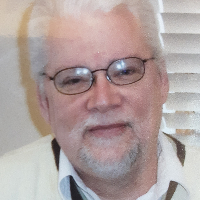
Mark Anderson is a Licensed Professional Counselor (LPC) with 45 years of experience in mental health and substance use work. He focuses on practical, straightforward help for people dealing with stress, anxiety, addiction, grief, depression, trauma, and anger. His approach aims to give clear tools and steady support for everyday challenges.
Mark draws on client-centered methods to build trusting conversations. He uses cognitive behavioral ideas to spot unhelpful thinking and try new behaviors.
Background and approach
He also incorporates techniques from dialectical behavior therapy and trauma-focused work when someone needs skills for intense emotions or to process past harm. Sessions tend to be collaborative and goal-oriented. Mark works to break big problems into manageable steps.
He helps people develop coping skills, address control issues, and reduce panic or social anxiety symptoms. He has a long record helping people facing loss, end-of-life concerns, and the complicated feelings that follow addiction and recovery. Career and life-purpose questions are also a common focus, along with shame and guilt that can hold people back.
Mark offers sessions in English and is based in Michigan. He accepts international clients and uses flexible online formats so people can fit care into busy lives. To begin, a short questionnaire helps match goals with the right plan.
What Mark works with
Everything Mark lists, in the therapist's own terms. Anger is the reason this directory exists; the rest tells you what usually sits alongside it in Mark's practice.
- Stress, Anxiety
- Addictions
- Trauma and abuse
- Grief
- Depression
- LGBT
- Relationship issues
- Family conflicts
- Intimacy-related issues
- Anger management
- Self esteem
- Career difficulties
- Coping with life changes
- Compassion fatigue
- Control issues
- Guilt and shame
- Hospice and end-of-life counseling
- Life purpose
- Panic disorder and panic attacks
- Social anxiety and phobia
Approaches Mark lists
- Client-Centered Therapy
- Cognitive Behavioral Therapy (CBT)
- Dialectical Behavior Therapy (DBT)
- Solution-Focused Therapy
- Trauma-Focused Therapy
Listing an approach is not evidence of training in it. This directory copies what each therapist names and does not check training records.
Therapeutic approaches and online care
Mark blends client-centered therapy with cognitive behavioral therapy to help people manage difficult emotions and change unhelpful habits. Client-centered work focuses on listening and building a trusting conversation so people feel heard and can set their own goals. Cognitive behavioral therapy looks at the links between thoughts, feelings, and actions and gives practical exercises to test new ways of coping.He also uses dialectical behavior therapy ideas when emotion regulation and distress tolerance skills are needed. DBT-style skills teach breathing, grounding, and interpersonal strategies that reduce reactivity and support clearer decision making. Together these approaches address issues such as anger, panic, social anxiety, trauma reactions, and addictive behaviors.
Finding the right mix of approaches is part of the work. The therapist collaborates with each person to choose techniques that match their needs, goals, and preferences. Adjustments are made over time as progress and challenges become clearer.
Online therapy offers video calls, phone sessions, live chat, and text-based messaging so care can fit into busy schedules. Video is useful for fuller conversation and visual cues, phone calls can be easier when bandwidth is limited, live chat works for brief check-ins, and messaging supports ongoing reflection between sessions. These options increase flexibility and make it simpler to keep consistent work on goals.
Questions people ask about Mark
What kinds of problems does Mark address?
He helps people coping with stress, anxiety, addiction, trauma, grief, depression, anger, self-esteem, and life changes. Additional areas include control issues, guilt and shame, and hospice and end-of-life counseling.
What is his therapy style like?
Sessions are collaborative and practical. He uses client-centered listening alongside cognitive and skills-based techniques to help people change thoughts and behaviors.
How much experience does he bring?
Mark has 45 years of experience in mental health and substance use work, offering long-term perspective on recovery and coping strategies.
Where is he licensed and located?
He holds licensure as an LPC and practices from Michigan. The profile lists Michigan as his primary location.
Which languages are supported for sessions?
Sessions are offered in English and international clients are accepted.
What session formats are available?
Sessions can be conducted by video calls, phone sessions, live chat, or text-based messaging to accommodate different needs and schedules.
How does pricing work?
Cost varies with location and therapist availability; sessions use a subscription model that can be canceled at any time.
What steps do I take to begin?
Use the Start Therapy button, complete a short matching questionnaire, and then schedule sessions based on therapist availability.