Works with
- Anger
- LGBT
- Trauma and abuse
- Anger management
- Depression
- Coping with life changes
How Mark works
Practical facts
- Credentials
- LCSW
- Licensed in
- California
- Years in practice
- 46
- Languages
- English
- Session format
- Online, through our partner platform
About Mark
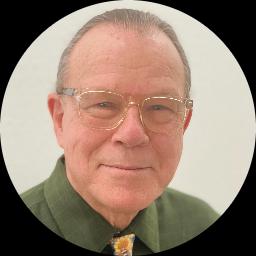
Mark Duarte is a licensed clinical social worker with decades of experience helping people deal with anger, trauma, anxiety, depression, and relationship struggles. He focuses on practical steps people can use right away. He listens closely and works with each person to address the issues they bring into sessions.
He uses clear conversation and simple exercises rather than jargon. Sessions often involve identifying unhelpful thinking patterns, trying new ways of coping, and practicing skills for emotional regulation.
Background and approach
The work aims to reduce intense reactions and make daily life feel more manageable. Mark brings 46 years of professional experience in California to his practice. That time includes work with people facing identity questions, grief, addiction, caregiver stress, and problems tied to family of origin.
He emphasizes respect, sensitivity, and compassion in every meeting. Therapy with him is collaborative. He helps people create a plan that fits their goals and comfort level.
If something in the plan doesn’t help, he adjusts it together with the person in session. People looking for support can expect straightforward talk, skill-building, and steady encouragement. Mark aims to help people find more satisfying ways to handle anger, stress, and relationship pain while building a clearer sense of purpose and direction.
What Mark works with
Everything Mark lists, in the therapist's own terms. Anger is the reason this directory exists; the rest tells you what usually sits alongside it in Mark's practice.
- LGBT
- Trauma and abuse
- Anger management
- Depression
- Coping with life changes
- Stress, Anxiety
- Addictions
- Relationship issues
- Family conflicts
- Grief
- Intimacy-related issues
- Sleeping disorders
- Self esteem
- Career difficulties
- Bipolar disorder
- Compassion fatigue
- ADHD
- Abandonment
- Aging and geriatric issues
- Antisocial personality
- Attachment issues
- Caregiver issues and stress
- Codependency
- Control issues
- Coping with natural or human-caused disaster
- Dependent personality
- Divorce and separation
- Domestic violence
- Emptiness
- Family of origin issues
- Family problems
- Fatherhood issues
- First responder issues
- Forgiveness
- Gender dysphoria
- Guilt and shame
- Impulsivity
- Infidelity
- Isolation / loneliness
- Jealousy
- Life purpose
- Midlife crisis
- Multicultural concerns
- Panic disorder and panic attacks
- Paranoia
- Personality disorders
- Polyamory / non-monogamous relationships
- Post-traumatic stress
- Prejudice and discrimination
- Self-harm
- Self-love
- Sexuality
- Young adult issues
Approaches Mark lists
- Client-Centered Therapy
- Cognitive Behavioral Therapy (CBT)
- Dialectical Behavior Therapy (DBT)
- Existential Therapy
Listing an approach is not evidence of training in it. This directory copies what each therapist names and does not check training records.
How therapeutic approaches and online sessions fit together
Client-Centered Therapy focuses on listening and building a trusting relationship so people feel heard and understood; it helps when someone needs space to sort identity, purpose, and personal values. Cognitive Behavioral Therapy, or CBT, looks at the link between thoughts, feelings, and behavior, and teaches practical tools to change unhelpful thinking and reduce symptoms like anxiety or anger. Dialectical Behavior Therapy, DBT, emphasizes emotion regulation, distress tolerance, and interpersonal skills for people who face intense feelings or relationship struggles.Choosing an approach is a team decision. The therapist will talk with each person about goals and try methods that match their needs and preferences. If something isn’t working, the plan is adjusted together so the sessions stay useful and relevant.
Online sessions make it easier to fit therapy into a busy life. Video calls allow face-to-face conversation when visual cues matter. Phone sessions can work well when bandwidth is limited or when someone prefers not to be on camera. Live chat and text-based messaging are helpful for short check-ins, practicing skills between sessions, or when writing feels easier than talking. These options provide flexibility so people can keep progress moving forward around work, caregiving, or other commitments.
Questions people ask about Mark
What kinds of problems does Mark address?
He works with a wide range of concerns including anger, trauma and abuse, anxiety, depression, addictions, relationship and family issues, grief, and stress-related problems.
What is his general approach in sessions?
He keeps things direct and practical, using conversation and exercises to identify patterns, build coping skills, and reduce intense reactions.
How much experience does he have?
Mark has 46 years of professional experience providing mental health support in California.
What are his credentials and where does he practice?
He holds an LCSW and practices in California.
Which languages are offered for sessions?
Sessions are offered in English.
Can people outside the U.S. work with him?
He does not accept international clients at this time.
What formats are available for online sessions?
Sessions are available by video calls, phone sessions, live chat, and text-based messaging.
How are fees and starting therapy handled?
Cost varies with location and therapist availability and uses a subscription that can be canceled at any time. To begin, select the Start Therapy button, complete a short matching questionnaire, and schedule based on therapist availability.