Works with
How Mark works
Practical facts
- Credentials
- LMHC
- Licensed in
- Florida
- Years in practice
- 15
- Languages
- English
- Session format
- Online, through our partner platform
About Mark
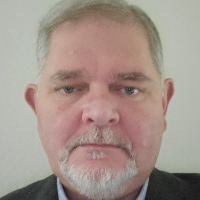
Mark Rogers is a licensed mental health counselor (LMHC) based in Florida. He focuses on helping people who are feeling overwhelmed by anger, stress, anxiety, depression, or big life changes. He emphasizes a respectful, nonjudgmental approach and centers work around the goals each person brings to sessions.
He brings about 15 years of clinical counseling experience and two decades of coaching background. That mix shapes sessions that blend practical skill-building with attention to the client as a person.
Background and approach
He aims to help people identify what matters to them, reduce upsetting reactions, and build habits that fit daily life. His work draws on several well-known approaches, including cognitive behavioral methods, dialectical behavior ideas, acceptance and commitment strategies, and eye movement desensitization and reprocessing.
These tools are used to address trauma, panic, impulsivity, sleep problems, addictions, and relationship or family-related concerns among other issues. Mark places a strong emphasis on the relationship in therapy. He prefers to focus on the goals a person wants rather than assigning labels.
Sessions tend to be collaborative, practical, and goal-directed, with attention to small changes that add up over time. People who are looking for a counselor that combines coaching experience with traditional counseling methods may find his style useful. He works in English and offers multiple session formats to fit different schedules and needs.
What Mark works with
Everything Mark lists, in the therapist's own terms. Anger is the reason this directory exists; the rest tells you what usually sits alongside it in Mark's practice.
- Stress, Anxiety
- Trauma and abuse
- Grief
- Depression
- ADHD
- Addictions
- LGBT
- Relationship issues
- Family conflicts
- Sleeping disorders
- Parenting issues
- Anger management
- Self esteem
- Career difficulties
- Bipolar disorder
- Coping with life changes
- Coaching
- Blended family issues
- Communication problems
- Coping with natural or human-caused disaster
- Family of origin issues
- Family problems
- Fatherhood issues
- Forgiveness
- Impulsivity
- Men's issues
- Veteran and Armed Forces Issues
- Panic disorder and panic attacks
- Post-traumatic stress
- Self-harm
- Somatization
- Young adult issues
Approaches Mark lists
- Acceptance and Commitment Therapy (ACT)
- Client-Centered Therapy
- Cognitive Behavioral Therapy (CBT)
- Dialectical Behavior Therapy (DBT)
- Eye Movement Desensitization and Reprocessing (EMDR)
- Hypnotherapy
- Mindfulness Therapy
- Motivational Interviewing
- Solution-Focused Therapy
- Trauma-Focused Therapy
Listing an approach is not evidence of training in it. This directory copies what each therapist names and does not check training records.
Therapeutic approaches for online care
Acceptance and Commitment Therapy (ACT) focuses on clarifying what matters to you and taking small, values-driven steps. It helps when people feel stuck, overwhelmed, or uncertain about next steps. Cognitive Behavioral Therapy (CBT) looks at how thoughts, feelings, and actions interact and teaches concrete skills to reduce anxiety, panic, and depressive patterns. Eye Movement Desensitization and Reprocessing (EMDR) is used to process traumatic memories and reduce their emotional intensity when trauma is part of the problem.Choosing the right approach is a collaborative process. The therapist will talk with each person about their needs, goals, and what feels most comfortable. Together they plan a course of work and adjust methods as progress and preferences become clearer.
Online sessions are offered as video calls, phone sessions, live chat, or text-based messaging to make therapy more flexible. Video sessions allow face-to-face work and skill practice. Phone sessions can fit a work break or be easier when bandwidth is limited. Live chat and messaging suit quick check-ins, reflections between sessions, or people who prefer writing. These options make it easier to fit regular work on goals into a busy life while keeping therapy consistent and practical.
Questions people ask about Mark
What concerns does he help people with?
He works with a wide range of concerns including stress, anxiety, trauma and abuse, grief, depression, ADHD, addictions, anger, self-esteem, and coping with life changes.
What is his style of therapy?
Sessions are collaborative and person-focused, using goal-directed techniques from approaches like CBT, DBT, ACT, and EMDR to teach practical skills and reduce distress.
How much experience does he have?
He has about 15 years of counseling experience and around 20 years of experience in career and daily functioning coaching.
Where is he licensed and located?
He is a Florida LMHC and practices in Florida.
Which languages are supported for sessions?
Sessions are offered in English.
Can people outside the country work with him?
International clients are not currently accepted; sessions are provided to clients in the therapist's jurisdiction.
What session formats are available?
He offers video calls, phone sessions, live chat, and text-based messaging to fit different schedules and preferences.
How does cost and scheduling work?
Cost varies with location and therapist availability and uses a subscription model that can be canceled at any time; get started by using the Start Therapy button and completing a short matching questionnaire.