Works with
- Anger
- Stress, Anxiety
- Relationship issues
- Grief
- Depression
- Coaching
How Mark works
Practical facts
- Credentials
- LCSW
- Licensed in
- Oregon, Washington, California
- Years in practice
- 12
- Languages
- English
- Session format
- Online, through our partner platform
About Mark
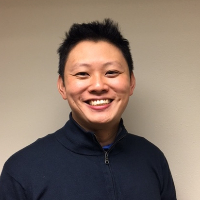
Mark Yeung is a Licensed Clinical Social Worker (LCSW) with 12 years of counseling experience. He offers straightforward, compassionate support for people dealing with stress, anxiety, grief, depression, anger, and life transitions. He writes plainly and aims to make the first step into therapy easier to manage.
He draws on Acceptance and Commitment Therapy, Cognitive Behavioral Therapy, and Dialectical Behavior Therapy in sessions. Those methods help people notice unhelpful thoughts, try new behaviors, and build practical coping skills.
Background and approach
He also uses a client-centered, humanistic stance that keeps the conversation focused on what matters to each person. Mark has worked with people facing medical illness, hospice and end-of-life concerns, caregiver strain, and bereavement. He also supports clients with addictions, relationship and intimacy problems, career stress, ADHD, and multicultural or immigration-related issues.
His background includes work with diverse populations across long-term care and medical settings. Sessions are offered from Oregon and provided in English. Work typically involves short-term goals and skill-building, or longer-term support for ongoing concerns.
He emphasizes a warm, collaborative relationship and practical steps clients can use between meetings. To begin, people complete a short matching questionnaire and schedule sessions. Mark prefers to explore which tools and strategies fit each person rather than following a single script, and he adjusts methods to meet changing needs.
What Mark works with
Everything Mark lists, in the therapist's own terms. Anger is the reason this directory exists; the rest tells you what usually sits alongside it in Mark's practice.
- Stress, Anxiety
- Relationship issues
- Grief
- Depression
- Coaching
- Addictions
- LGBT
- Family conflicts
- Trauma and abuse
- Intimacy-related issues
- Eating disorders
- Sleeping disorders
- Parenting issues
- Anger management
- Self esteem
- Career difficulties
- Bipolar disorder
- Coping with life changes
- Compassion fatigue
- ADHD
- Aging and geriatric issues
- Attachment issues
- Cancer
- Caregiver issues and stress
- Chronic pain, illness, and disability
- Codependency
- Communication problems
- Family of origin issues
- Family problems
- Fatherhood issues
- Guilt and shame
- Hospice and end-of-life counseling
- Immigration issues
- Multicultural concerns
- Prejudice and discrimination
- Traumatic brain injury
Approaches Mark lists
- Acceptance and Commitment Therapy (ACT)
- Client-Centered Therapy
- Cognitive Behavioral Therapy (CBT)
- Dialectical Behavior Therapy (DBT)
- Gottman Method
- Motivational Interviewing
- Narrative Therapy
- Solution-Focused Therapy
Listing an approach is not evidence of training in it. This directory copies what each therapist names and does not check training records.
Therapeutic approaches for online care
Acceptance and Commitment Therapy (ACT) helps people clarify what matters most and take small steps toward those values while learning to accept difficult thoughts and feelings. It can be useful for anxiety, depression, and stress when avoiding difficult emotions has become limiting.Cognitive Behavioral Therapy (CBT) focuses on identifying unhelpful thought and behavior patterns and testing new ways of responding. It often helps with anxiety, depression, insomnia, and anger by teaching practical skills to change daily habits.
Finding the right approach is part of the work. The therapist will collaborate with each person to decide which methods fit their goals and life. That means trying strategies, checking what helps, and adjusting methods as needs evolve.
Online formats include video calls, phone sessions, live chat, and text-based messaging to offer flexibility. Video calls allow face-to-face conversation and skills practice, phone sessions can be easier when bandwidth is limited, live chat supports brief check-ins, and text messaging is useful for ongoing reminders and reflection. These options make it simpler to fit therapy into a busy schedule and to use the clinical tools between sessions.
Questions people ask about Mark
What kinds of concerns does Mark help with?
He works with stress, anxiety, depression, grief, anger, addictions, relationship and intimacy issues, ADHD, and many life changes. He also addresses caregiver strain, chronic illness, and multicultural or immigration-related stress.
What is his general therapeutic style?
He combines Acceptance and Commitment Therapy, Cognitive Behavioral Therapy, and Dialectical Behavior Therapy with a client-centered approach. The style is practical and collaborative, focusing on skills and real-life steps.
How much professional experience does he have?
He brings 12 years of counseling experience working in medical, hospice, and bereavement settings as well as other clinical environments.
Where is he based and what is his credential?
He is based in Oregon and holds the Licensed Clinical Social Worker credential, abbreviated as LCSW.
Which languages are supported for sessions?
Sessions are offered in English.
What session formats are available online?
He provides video calls, phone sessions, live chat, and text-based messaging to suit different preferences and schedules.
How are fees and billing handled?
Cost varies by location and therapist availability and uses a subscription model that can be canceled at any time.
How do I start working with him?
Begin by selecting the Start Therapy button, completing a short matching questionnaire, and then scheduling sessions according to the therapist's availability.