Works with
How Mary works
Practical facts
- Credentials
- LISW
- Licensed in
- Iowa
- Years in practice
- 35
- Languages
- English
- Session format
- Online, through our partner platform
About Mary
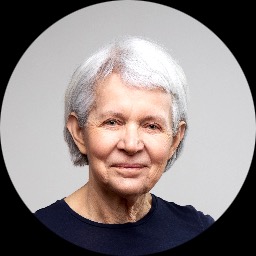
Mary Blankenburg is a licensed independent social worker (LISW) with 35 years of clinical experience. She focuses on building a steady, respectful connection so people feel safe enough to talk about what hurts. Her style is calm and direct, aimed at helping clients manage strong emotions and day-to-day stressors.
She has worked across community mental health, adolescent services, and independent practice. That background gives her a broad view of how life events, relationships, and health interact with mood and behavior.
Background and approach
Mary pays attention to both feelings and the ways the body responds to stress. In sessions she helps people notice patterns that keep problems going. She uses practical tools from cognitive behavioral therapy to reframe unhelpful thoughts and from dialectical behavior therapy to build emotion regulation and distress tolerance skills.
Acceptance and Commitment Therapy ideas are woven in to help clients clarify values and take meaningful action. Attachment-based approaches guide how she looks at relationship patterns, closeness, and trust. Mary also supports people dealing with grief, addiction, chronic illness, anger, and other challenges listed in her specialties.
She emphasizes small, usable steps rather than big overhauls. Her work is collaborative and paced to each person’s tolerance. Mary helps people practice new ways of coping, notice bodily signals, and set realistic goals.
The focus is on reducing suffering and improving daily functioning over time.
What Mary works with
Everything Mary lists, in the therapist's own terms. Anger is the reason this directory exists; the rest tells you what usually sits alongside it in Mary's practice.
- Stress, Anxiety
- Trauma and abuse
- Grief
- Self esteem
- Depression
- Addictions
- LGBT
- Relationship issues
- Family conflicts
- Intimacy-related issues
- Sleeping disorders
- Anger management
- Career difficulties
- Bipolar disorder
- Coping with life changes
- Compassion fatigue
- ADHD
- Abandonment
- Attachment issues
- Avoidant personality
- Body image
- Chronic pain, illness, and disability
- Co-morbidity
- Codependency
- Communication problems
- Control issues
- Coping with natural or human-caused disaster
- Dependent personality
- Forgiveness
- Guilt and shame
- Life purpose
- Panic disorder and panic attacks
- Self-love
- Social anxiety and phobia
Approaches Mary lists
- Acceptance and Commitment Therapy (ACT)
- Attachment-Based Therapy
- Client-Centered Therapy
- Cognitive Behavioral Therapy (CBT)
- Dialectical Behavior Therapy (DBT)
- Existential Therapy
- Eye Movement Desensitization and Reprocessing (EMDR)
- Mindfulness Therapy
- Motivational Interviewing
- Narrative Therapy
- Psychodynamic Therapy
- Solution-Focused Therapy
- Trauma-Focused Therapy
Listing an approach is not evidence of training in it. This directory copies what each therapist names and does not check training records.
Using practical approaches online to manage strong emotions
Mary often uses cognitive behavioral therapy (CBT) to help people identify and change unhelpful thoughts and behaviors. CBT offers concrete exercises that translate well to video or phone sessions, such as tracking mood, testing beliefs, and practicing new responses to triggers.She also uses Acceptance and Commitment Therapy (ACT) ideas to help clients clarify what matters to them and take steps toward those values. ACT work can include short experiential exercises and brief behavioral experiments that fit into online formats. Attachment-based work informs how she talks about relationship patterns and trust, helping clients notice how past bonds shape present reactions.
Finding the right mix of approaches is a collaborative process. The therapist and client discuss goals, preferences, and what feels most helpful, and then try methods together. Adjustments are made as needed so the plan stays useful and realistic.
Online therapy offers flexibility in how people connect. Video calls allow face-to-face conversation, phone sessions are useful when bandwidth or cameras are limited, and live chat or text messaging support quick check-ins and ongoing coaching between longer sessions. These options make it easier to fit therapy into work, caregiving, and busy days while still practicing skills and tracking progress.
Questions people ask about Mary
What kinds of concerns does Mary address?
She helps people with stress, anxiety, depression, anger, trauma and abuse, grief, addictions, relationship and intimacy issues, sleep problems, ADHD, bipolar symptoms, and other listed concerns.
How would you describe her therapeutic style?
Mary blends practical skills training with a warm, steady therapeutic relationship. Sessions focus on noticing patterns, building coping skills, and taking small, manageable steps forward.
What experience does she bring to therapy?
She has 35 years of clinical experience across community mental health, adolescent services, and independent practice, offering wide exposure to varied life and mental health challenges.
What are her credentials and where is she based?
She holds an LISW credential and practices in Iowa.
In which languages are sessions offered?
Sessions are offered in English.
What session formats does she use online?
Therapy is available by video calls, phone sessions, live chat, and text-based messaging.
How is cost handled for sessions?
Cost varies by location and therapist availability; sessions use a subscription model that can be canceled at any time.
How do I begin working with her?
Click the Start Therapy button, complete a short matching questionnaire, and schedule according to therapist availability.