Works with
How Mary works
Practical facts
- Credentials
- LICSW
- Licensed in
- Minnesota
- Years in practice
- 17
- Languages
- English
- Session format
- Online, through our partner platform
About Mary
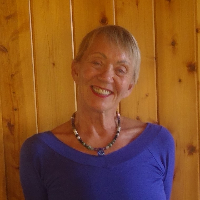
Mary Schoen is a licensed independent clinical social worker (LICSW) based in Minnesota who helps people facing stress, anxiety, grief, addiction, anger, and life transitions. She meets people where they are and focuses on practical steps to reduce what is getting in the way of everyday life. Her approach is accepting and nonjudgmental.
Mary brings 17 years of recent experience as a LICSW to her work. She returned to practice after a break and found that direct care is where she wants to be.
Background and approach
Sessions center on the client’s goals and priorities, with the pace set by the person seeking help. She uses straightforward methods to help people name what hurts and try small changes that add up. That can mean learning new ways to respond to strong feelings, shifting unhelpful thinking, or building skills for better communication and limits.
Mary draws from several approaches to fit each person’s needs. Mary has worked with people dealing with trauma, substance concerns, mood challenges, relationship strain, parenting stress, and issues around identity and intimacy. She also supports those coping with caregiving demands, compassion fatigue, and career shifts.
Sleep problems, attention differences, and grief are other areas she addresses. Sessions are offered by video, phone, live chat, or text messaging to fit different schedules. Mary aims for a calm, respectful space where people can try new ways of handling problems and move toward clearer choices.
What Mary works with
Everything Mary lists, in the therapist's own terms. Anger is the reason this directory exists; the rest tells you what usually sits alongside it in Mary's practice.
- Stress, Anxiety
- Addictions
- Trauma and abuse
- Grief
- Self esteem
- LGBT
- Relationship issues
- Family conflicts
- Intimacy-related issues
- Sleeping disorders
- Parenting issues
- Anger management
- Career difficulties
- Bipolar disorder
- Depression
- Coping with life changes
- Coaching
- Compassion fatigue
- ADHD
- Abandonment
- Aging and geriatric issues
- Antisocial personality
- Attachment issues
- Blended family issues
- Body image
- Caregiver issues and stress
- Codependency
- Commitment issues
- Communication problems
- Control issues
- Coping with natural or human-caused disaster
Approaches Mary lists
- Acceptance and Commitment Therapy (ACT)
- Attachment-Based Therapy
- Client-Centered Therapy
- Cognitive Behavioral Therapy (CBT)
- Emotionally-Focused Therapy (EFT)
- Existential Therapy
- Mindfulness Therapy
- Motivational Interviewing
- Narrative Therapy
- Solution-Focused Therapy
- Somatic Therapy
- Trauma-Focused Therapy
Listing an approach is not evidence of training in it. This directory copies what each therapist names and does not check training records.
Therapeutic approaches and how they translate online
Mary draws on Acceptance and Commitment Therapy and Cognitive Behavioral Therapy to help people notice what matters, accept difficult feelings, and take small actions toward meaningful goals. ACT focuses on values and willingness to experience feelings while committing to behavior changes. Cognitive Behavioral Therapy helps people spot unhelpful thoughts and test new ways of thinking and acting to reduce anxiety and mood symptoms.She also uses Attachment-Based and Client-Centered ideas in her work, paying attention to how relationships shape responses and offering a respectful, listening stance. These approaches help with relationship strain, intimacy concerns, abandonment or attachment questions, and building trust in how someone relates to others. Choosing the right mix is collaborative; the therapist and client talk through goals and preferences and try approaches that fit the person’s situation.
Online formats include video calls, phone sessions, live chat, and text-based messaging. Video is useful for face-to-face conversation and tracking nonverbal cues. Phone sessions can be easier when bandwidth is limited or when someone prefers not to be on camera. Live chat and text messaging work well for shorter check-ins, prompts between sessions, or people who express themselves better in writing. These options make scheduling easier and let people get consistent care around work, caregiving, or other obligations.
Questions people ask about Mary
What concerns does Mary commonly address?
Mary works with stress, anxiety, depression, trauma and abuse, addictions, grief, anger, relationship and intimacy issues, parenting and career concerns, bipolar disorder, ADHD, and related areas.
What is Mary’s general approach in sessions?
She takes a nonjudgmental, client-driven approach and uses practical tools from several therapies to help people reduce obstacles and try new behaviors.
How much clinical experience does she have?
Mary has 17 years of experience as a licensed clinician working in community and clinical settings before returning to practice more recently.
Where is Mary licensed and based?
She is a Minnesota LICSW and practices from Minnesota.
Which languages are sessions offered in?
Sessions are offered in English.
What session formats are available?
Therapy is offered via video calls, phone sessions, live chat, and text-based messaging to suit different needs and schedules.
How are fees handled for sessions?
Cost varies with location and therapist availability; sessions use a subscription that can be canceled at any time.
How do I begin working with Mary?
Start by selecting the Start Therapy button, complete a short matching questionnaire, and schedule according to the therapist’s availability.