Works with
- Anger
- Stress, Anxiety
- Trauma and abuse
- Sleeping disorders
- Self esteem
- Depression
How Mary works
Practical facts
- Credentials
- LMHC
- Licensed in
- Iowa, Florida
- Years in practice
- 8
- Languages
- English
- Session format
- Online, through our partner platform
About Mary
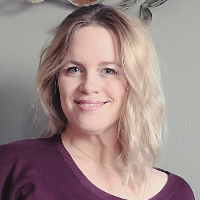
Mary Koch is a licensed mental health counselor with eight years of experience. She greets people with a warm, down-to-earth presence and a straightforward way of talking. Mary creates a calm environment where clients can say what they need to and explore feelings without judgment.
She draws on several practical approaches to help people change unhelpful thoughts and behaviors. That can look like talking through a pattern until it feels clearer, noticing small positive moments, or trying new ways of responding when stress or anger shows up.
Background and approach
Sessions are conversational and aim to help clients make sense of their experience. Mary has worked in outpatient settings for people with co-occurring substance use and mental health concerns. Her background also includes school-based work with a wide age range, and experience in correctional settings.
She has supported people facing depression, trauma, grief, anxiety, and challenges around sexual identity. She focuses on common life struggles such as stress, sleeping problems, low self-esteem, relationship communication issues, and anger. Mary also helps people dealing with trauma, addiction, bipolar symptoms, and major life changes.
Her additional interests include attachment and abandonment concerns, codependency, and issues that involve control or avoidance. Sessions are offered in English and are available through multiple online formats. Mary asks new clients to start with a short matching questionnaire and schedule a time that fits their needs.
The goal is practical, steady progress rather than quick fixes.
What Mary works with
Everything Mary lists, in the therapist's own terms. Anger is the reason this directory exists; the rest tells you what usually sits alongside it in Mary's practice.
- Stress, Anxiety
- Trauma and abuse
- Sleeping disorders
- Self esteem
- Depression
- Addictions
- LGBT
- Grief
- Anger management
- Bipolar disorder
- Coping with life changes
- Abandonment
- Attachment issues
- Avoidant personality
- Blended family issues
- Body image
- Co-morbidity
- Codependency
- Commitment issues
- Communication problems
- Control issues
- Coping with natural or human-caused disaster
- Dependent personality
- Dissociation
- Divorce and separation
- Domestic violence
- Drug and alcohol addiction
- Emptiness
- Family of origin issues
- Family problems
- Fatherhood issues
- Fertility issues
- First responder issues
- Forgiveness
- Gender dysphoria
- Guilt and shame
- HIV / AIDS
- Hoarding
- Hospice and end-of-life counseling
- Impulsivity
- Infidelity
- Isolation / loneliness
- Jealousy
- Life purpose
- Men's issues
- Midlife crisis
- Veteran and Armed Forces Issues
- Money and financial issues
- Mood disorders
- Multicultural concerns
- Obsessions, compulsions, and OCD
- Panic disorder and panic attacks
- Personality disorders
- Phobias
- Post-traumatic stress
- Prejudice and discrimination
- Seasonal Affective Disorder (SAD)
- Self-harm
- Self-love
- Sexual assault and abuse
- Sexuality
- Social anxiety and phobia
- Somatization
- Traumatic brain injury
- Women's issues
- Workplace issues
- Young adult issues
Approaches Mary lists
- Acceptance and Commitment Therapy (ACT)
- Attachment-Based Therapy
- Client-Centered Therapy
- Cognitive Behavioral Therapy (CBT)
- Emotionally-Focused Therapy (EFT)
- Mindfulness Therapy
- Motivational Interviewing
- Psychodynamic Therapy
- Solution-Focused Therapy
- Trauma-Focused Therapy
Listing an approach is not evidence of training in it. This directory copies what each therapist names and does not check training records.
Approach-driven online care for anger and stress
Mary commonly uses Acceptance and Commitment Therapy, Attachment-Based Therapy, and Cognitive Behavioral Therapy in online work. Acceptance and Commitment Therapy (ACT) helps people notice thoughts and feelings without getting stuck in them, and it supports taking action toward valued goals even when emotions are strong. Attachment-Based Therapy focuses on how early relationship patterns shape feelings and reactions, which can help people who struggle with trust, abandonment, or close connection. Cognitive Behavioral Therapy (CBT) breaks down unhelpful thought and behavior cycles, offering concrete tools to manage anger, anxiety, and mood shifts.Choosing an approach is a collaborative process. The therapist will discuss goals and try methods that fit each person's needs and preferences, adjusting over time based on what helps most. Clients help shape the direction of work as they learn which tools feel useful.
Online sessions are available by video call, phone, live chat, or text-based messaging to make therapy more flexible. Video lets people see nonverbal cues and use a face-to-face rhythm. Phone sessions work well when bandwidth is limited or a brief check-in is needed. Live chat and text messaging can suit short updates, ongoing reflection between sessions, or times when typing feels easier than speaking. These options help fit therapy into busy days and different life situations.
Questions people ask about Mary
What kinds of concerns does Mary help with?
She works with stress, anxiety, trauma and abuse, sleeping difficulties, low self-esteem, depression, addictions, grief, anger, bipolar concerns, and coping with life changes, among others.
How would you describe her therapy style?
Her approach is conversational and practical. She uses gentle reframing, notices small positives, and helps people try new responses to old patterns.
What is her professional background?
Mary has eight years of experience working in outpatient substance and alcohol services, schools, and correctional settings, supporting people with a range of mental health issues.
What credential does she hold and where is she based?
Mary is a Licensed Mental Health Counselor, listed as FL LMHC and IA LMHC, and she practices from Iowa.
Which languages are supported for sessions?
Sessions are offered in English only and international clients are not currently accepted.
What session formats are available?
She offers video calls, phone sessions, live chat, and text-based messaging to suit different needs and schedules.
How are sessions paid for and what does it cost?
Costs vary with location and therapist availability. Sessions use a subscription model that can be canceled at any time.
How do I begin working with Mary?
Use the Start Therapy button, complete a short matching questionnaire, and then schedule sessions according to the therapist's posted availability.