Works with
How Mary works
Practical facts
- Credentials
- LMSW
- Licensed in
- Michigan
- Years in practice
- 3
- Languages
- English
- Session format
- Online, through our partner platform
About Mary
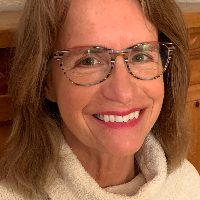
Mary Allen is a licensed master social worker (LMSW) practicing in Michigan. She brings three years of documented experience to her work and focuses on helping people manage stress, anxiety, anger, depression, and life transitions. Mary aims to create a respectful, calm space where people can talk through immediate challenges and learn practical skills to cope.
Mary describes her approach as client-centered and practical. She listens first, then collaborates on clear steps a person can try between sessions.
Background and approach
She uses tools from cognitive behavioral therapy to spot unhelpful thinking and DBT skills to manage intense emotions and urges. Motivational interviewing is part of how she supports change when motivation feels low. Sessions tend to be straightforward and skill-focused.
Mary helps people build coping strategies, rethink unhelpful patterns, and practice small changes that fit day-to-day life. She also talks through relationship strain, parenting concerns, addiction-related struggles, and career stress in ways that connect to a person's real routines. Mary works with people across a range of concerns including trauma, bipolar mood challenges, LGBT issues, and self-esteem difficulties.
She accepts clients internationally and offers video, phone, live chat, and text-based messaging formats. Her style is warm, respectful, and aimed at helping people find workable next steps. Many who reach out are looking for help with strong emotions like anger or with persistent anxiety.
Mary supports practical skill building alongside reflective conversation so people can try new ways of coping and notice what changes over time.
What Mary works with
Everything Mary lists, in the therapist's own terms. Anger is the reason this directory exists; the rest tells you what usually sits alongside it in Mary's practice.
- Stress, Anxiety
- Self esteem
- Depression
- Coping with life changes
- Addictions
- LGBT
- Relationship issues
- Family conflicts
- Trauma and abuse
- Parenting issues
- Anger management
- Career difficulties
- Bipolar disorder
Approaches Mary lists
- Client-Centered Therapy
- Cognitive Behavioral Therapy (CBT)
- Dialectical Behavior Therapy (DBT)
- Motivational Interviewing
Listing an approach is not evidence of training in it. This directory copies what each therapist names and does not check training records.
How Mary uses therapy approaches online
Client-centered therapy starts by focusing on the person's goals and experience. The therapist listens without judgment and helps people name what matters most to them, which can make it easier to set small, realistic steps forward.Cognitive Behavioral Therapy, or CBT, looks at the links between thoughts, feelings, and actions. In sessions Mary helps people identify unhelpful thinking patterns and practice alternative responses that reduce anxiety, low mood, or anger in everyday moments.
Dialectical Behavior Therapy, commonly called DBT, offers concrete skills for managing intense emotions and improving distress tolerance. These tools are useful for people who want to calm sudden anger, ride out strong urges, or build steadier coping routines.
Choosing the right approach is a collaborative process. Mary will talk with each person about their goals, preferences, and past experiences to decide which methods to try first. Plans can change over time as someone's needs shift, and she encourages people to give feedback about what helps.
Online formats make sessions more flexible. Video calls let people use visual cues for deeper conversation, phone sessions work well when bandwidth is limited, live chat suits quick check-ins or when typing feels easier, and text-based messaging supports ongoing check-ins and brief coaching between appointments. These options help fit therapy around work, family obligations, or travel while keeping a consistent therapeutic relationship.
Questions people ask about Mary
What kinds of problems does she help with?
Mary works with stress, anxiety, anger, depression, addictions, relationship and family concerns, parenting challenges, career issues, trauma and bipolar-related difficulties.
What is her therapy style like?
Her style is warm and client-centered. She listens first, then offers practical skills and steps people can try between sessions.
How much professional experience does she have?
She holds a licensed master social worker credential and has three years of documented experience in clinical work.
Where does she practice and what are her credentials?
She is based in Michigan and holds an LMSW, which stands for licensed master social worker.
Can I work with her if I live outside the United States?
Sessions are offered in English and she accepts international clients.
Which session formats are available?
Mary offers video calls, phone sessions, live chat, and text-based messaging to suit different schedules and needs.
How does payment and cost work?
Cost varies by location and therapist availability; sessions operate through a subscription model that can be canceled at any time.
What should I do to begin working with her?
To start, select the Start Therapy button, complete a short matching questionnaire, and schedule sessions according to therapist availability.