Works with
- Anger
- Stress, Anxiety
- Addictions
- Relationship issues
- Family conflicts
- Depression
How Mary works
Practical facts
- Credentials
- LPC
- Licensed in
- Missouri, Texas
- Years in practice
- 12
- Languages
- English
- Session format
- Online, through our partner platform
About Mary
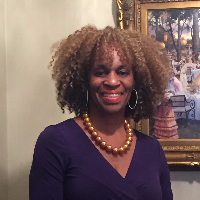
Mary Shands is a Licensed Professional Counselor (LPC) with more than 12 years of experience. She holds licenses in Missouri and Texas and has worked across schools, substance use treatment, veterans services, and offender programs. Mary brings a calm, energetic style and focuses on clear, practical conversation to help people manage everyday struggles.
She helps people address stress, anxiety, and mood concerns such as depression and bipolar symptoms. Mary also works with those coping with trauma, substance use concerns, grief, and relationship or intimacy-related issues.
Background and approach
Anger is one of the areas she supports, along with sleep and eating issues and career or life changes. Mary combines several therapies to fit each person. She often uses cognitive behavioral techniques to identify unhelpful thinking and shift behavior.
Client-centered methods guide sessions around the person’s goals and experience, and attachment-informed ideas look at how early relationships shape current patterns. Her background includes counseling in special education and general education settings, work with veterans, and roles in residential or treatment programs. That range gives her experience with practical challenges like parenting strain, codependency, and compassion fatigue.
Sessions are conversational and focused on steps people can try between meetings. Mary aims to listen well, reflect what she’s heard, and propose realistic tools. She also offers presentations and trainings when organizations need guidance.
People who prefer a direct but supportive counselor may find her approach helpful. She works in English and is licensed in Texas and Missouri.
What Mary works with
Everything Mary lists, in the therapist's own terms. Anger is the reason this directory exists; the rest tells you what usually sits alongside it in Mary's practice.
- Stress, Anxiety
- Addictions
- Relationship issues
- Family conflicts
- Depression
- LGBT
- Trauma and abuse
- Grief
- Intimacy-related issues
- Eating disorders
- Sleeping disorders
- Parenting issues
- Anger management
- Self esteem
- Career difficulties
- Bipolar disorder
- Coping with life changes
- Coaching
- Compassion fatigue
- ADHD
- Abandonment
- Adoption and foster care
- Aging and geriatric issues
- Avoidant personality
- Body image
- Cancer
- Codependency
- Control issues
- Coping with natural or human-caused disaster
- Domestic violence
- Drug and alcohol addiction
- Eating and food-related issues
- Emptiness
- First responder issues
- Forgiveness
- HIV / AIDS
- Hoarding
- Hospice and end-of-life counseling
- Immigration issues
- Impulsivity
- Infidelity
- Intellectual disability
- Isolation / loneliness
- Jealousy
- Life purpose
- Midlife crisis
- Veteran and Armed Forces Issues
- Mood disorders
- Multicultural concerns
- Narcissism
- Obsessions, compulsions, and OCD
- Personality disorders
- Postpartum depression
- Post-traumatic stress
- Prejudice and discrimination
- Process addiction (porn, exercise, gambling)
- Self-love
- Sexual assault and abuse
- Sexuality
- Social anxiety and phobia
- Traumatic brain injury
- Women's issues
Approaches Mary lists
- Attachment-Based Therapy
- Client-Centered Therapy
- Cognitive Behavioral Therapy (CBT)
- Emotionally-Focused Therapy (EFT)
- Existential Therapy
- Mindfulness Therapy
- Motivational Interviewing
- Narrative Therapy
- Solution-Focused Therapy
- Trauma-Focused Therapy
Listing an approach is not evidence of training in it. This directory copies what each therapist names and does not check training records.
Approach-driven therapy available online
Mary often blends cognitive behavioral techniques and client-centered methods in online work. Cognitive behavioral therapy focuses on spotting patterns of thinking and testing small behavior changes to reduce symptoms like anxiety and anger. Client-centered work centers the conversation on the person’s experience, helping the therapist respond with reflection and support to whatever the client brings.Choosing the right approach is part of the work together. The therapist will discuss goals, preferences, and what has or has not helped in the past, then adapt methods to fit each person. That collaboration helps shape session focus and practical next steps.
Online options include video calls, phone sessions, live chat, and text-based messaging to make scheduling easier. Video allows face-to-face conversation, phone can work when bandwidth is limited, chat is useful for brief check-ins, and messaging supports ongoing reflection between sessions. These formats aim to make therapy more flexible and accessible for people with busy or changing lives.
Questions people ask about Mary
What concerns does she commonly address?
Mary helps people with stress, anxiety, depression, trauma and abuse, substance use concerns, grief, anger, relationship and intimacy issues, and related struggles such as sleep and eating problems.
What is her therapeutic style like?
She works in a conversational, practical way that focuses on listening and offering tools people can try between sessions. Sessions are guided by the client's goals and lived experience.
How much experience does she have?
She has 12 years of clinical experience in school settings, veterans services, substance abuse treatment, and related programs.
What credentials and location apply to her practice?
She is a Licensed Professional Counselor (LPC) with licenses in Missouri (MO LPC) and Texas (TX LPC) and is based in Texas.
Which languages are offered and can international clients connect?
Sessions are offered in English, and she accepts international clients.
What session formats are available?
Sessions can be conducted by video calls, phone sessions, live chat, or text-based messaging to suit different needs and schedules.
How is cost handled for sessions?
Cost varies with location and therapist availability; sessions use a subscription model that can be canceled at any time.
How do I begin working with her?
Start by selecting the Start Therapy button, completing a short matching questionnaire, and then scheduling based on therapist availability.