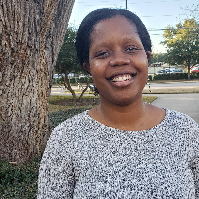
Melanie Barefield, LPC, LMFT
Practical support for strong emotions and relationships
Book with MelanieWorks with
- Anger
- Stress, Anxiety
- Family conflicts
- Trauma and abuse
- Anger management
- Self esteem
How Melanie works
Practical facts
- Credentials
- LPC, LMFT
- Licensed in
- Georgia
- Years in practice
- 8
- Languages
- English
- Session format
- Online, through our partner platform
About Melanie
Melanie Barefield is a Licensed Professional Counselor and Licensed Marriage and Family Therapist who focuses on helping people manage strong emotions and repair strained relationships. She draws on eight years of clinical experience and uses practical strategies to help clients facing anger, anxiety, depression, and stress. Melanie listens first and then works with each person to set realistic goals.
She often helps people untangle problems that stem from family of origin issues and blended family dynamics.
Background and approach
Her background includes work in residential treatment centers, in-home counseling, church-based programs, and hospital settings. That variety informs how she tailors sessions to fit each person's life. Trauma work is a significant part of her practice.
Melanie uses trauma-focused approaches alongside cognitive behavioral techniques to help people process past hurt and learn ways to cope in the present. She also uses attachment-based ideas to explore how early relationships shape current patterns. Many people come to her for help with parenting stress, grief, relationship conflict, and navigating big life changes.
She brings a straightforward, compassionate style and aims to give tools clients can use between sessions. Melanie explains options clearly so people can choose what feels most helpful. Her training in marriage and family therapy guides how she looks at interaction patterns and communication problems.
Sessions emphasize practical steps - communication skills, coping strategies, and gradual behavior changes - so clients can see progress over time.
What Melanie works with
Everything Melanie lists, in the therapist's own terms. Anger is the reason this directory exists; the rest tells you what usually sits alongside it in Melanie's practice.
- Stress, Anxiety
- Family conflicts
- Trauma and abuse
- Anger management
- Self esteem
- Relationship issues
- Grief
- Parenting issues
- Bipolar disorder
- Depression
- Coping with life changes
- Compassion fatigue
- ADHD
- Abandonment
- Blended family issues
- Communication problems
- Family of origin issues
- Family problems
- Forgiveness
- Guilt and shame
- Infidelity
- Jealousy
- Life purpose
- Multicultural concerns
- Postpartum depression
- Post-traumatic stress
- Prejudice and discrimination
- Self-harm
- Sexual assault and abuse
- Social anxiety and phobia
- Workplace issues
- Young adult issues
Approaches Melanie lists
- Acceptance and Commitment Therapy (ACT)
- Attachment-Based Therapy
- Cognitive Behavioral Therapy (CBT)
- Motivational Interviewing
- Trauma-Focused Therapy
- Internal Family Systems
Listing an approach is not evidence of training in it. This directory copies what each therapist names and does not check training records.
Using ACT, CBT, and Attachment ideas online
Acceptance and Commitment Therapy (ACT) helps people notice thoughts and feelings without getting stuck in them, then choose actions that match their values. It can be useful for managing anger, anxiety, and motivation struggles. Cognitive Behavioral Therapy (CBT) breaks problems into thoughts, feelings, and behaviors and teaches concrete skills to change unhelpful patterns. CBT is often used for anxiety, depression, and anger management. Attachment-Based Therapy looks at how early relationships influence current ways of relating and can help with trust, communication, and repeated conflict patterns.Finding the right approach is a collaborative process. Melanie will work with each client to try methods that match their goals and to adjust the plan over time. She explains options plainly and helps clients pick skills and strategies they feel comfortable practicing between sessions.
Online sessions offer flexibility and straightforward ways to fit therapy into life. Video calls allow face-to-face conversation when discussing relationship patterns. Phone sessions can be easier when bandwidth is limited or a shorter check-in is needed. Live chat and text-based messaging let clients send brief updates, ask quick questions, or reflect between appointments. These formats make it possible to maintain momentum while balancing work, family, and other commitments.
Questions people ask about Melanie
What kinds of concerns can Melanie help with?
She works with stress, anxiety, anger, depression, trauma and abuse, relationship problems, grief, parenting strain, ADHD, bipolar concerns, and related issues like guilt, infidelity, and self-harm.
What is her general therapy style?
Melanie listens carefully and works collaboratively to set goals. She uses practical, skills-based techniques and focuses on clear steps clients can try between sessions.
What experience does she bring to sessions?
She has eight years of clinical experience in settings such as residential treatment centers, in-home counseling, church programs, and hospitals, with substantial experience in trauma work and family systems.
Which credentials and region are listed?
She holds LPC and LMFT credentials and practices in Georgia under GA LPC and GA LMFT listings.
In which languages are sessions offered?
Sessions are offered in English and international clients are not currently accepted.
What session formats are available?
Melanie works with video calls, phone sessions, live chat, and text-based messaging to fit different scheduling needs and preferences.
How is cost handled for sessions?
Cost varies with location and therapist availability; sessions use a subscription model that can be canceled at any time.
How do I begin working with her?
Start by selecting the Start Therapy button, complete a short matching questionnaire, and then schedule a session according to therapist availability.