Works with
- Anger
- Stress, Anxiety
- LGBT
- Relationship issues
- Family conflicts
- Depression
How Melinda works
Practical facts
- Credentials
- LMHC, LPC
- Licensed in
- Florida, Oklahoma
- Years in practice
- 20
- Languages
- English
- Session format
- Online, through our partner platform
About Melinda
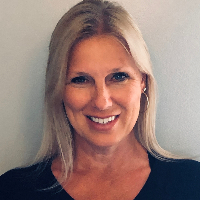
Melinda Labbe is a Licensed Mental Health Counselor (LMHC) and a Licensed Professional Counselor (LPC) with two decades of clinical experience. She offers a direct, respectful approach that helps people manage stress, anxiety, anger, and relationship struggles. Her style is warm and interactive, aimed at making conversations feel grounded and practical.
Melinda uses a mix of therapy methods to match each person's needs. She draws on attachment-based ideas to look at how early connections affect current relationships.
Background and approach
Cognitive behavioral techniques are used to identify unhelpful thoughts and try small behavior changes. Dialectical behavior therapy skills may be taught for emotion regulation and distress tolerance. She has supported people dealing with trauma, grief, addiction, parenting strain, career transitions, and compassion fatigue.
Melinda also works with issues related to identity and intimacy, including LGBT concerns and body image. Her background includes helping people navigate adoption and foster care, abandonment, and blended family challenges. Sessions are offered in English and conducted from Florida.
Melinda has experience across many settings and brings practical tools rather than labels. She sees therapy as a collaborative process and adjusts the plan as goals evolve. If someone is ready to try therapy, Melinda invites them to begin with a short questionnaire and scheduling step.
She encourages small, steady steps toward clearer communication, better coping, and healthier relationships.
What Melinda works with
Everything Melinda lists, in the therapist's own terms. Anger is the reason this directory exists; the rest tells you what usually sits alongside it in Melinda's practice.
- Stress, Anxiety
- LGBT
- Relationship issues
- Family conflicts
- Depression
- Addictions
- Trauma and abuse
- Grief
- Intimacy-related issues
- Parenting issues
- Anger management
- Self esteem
- Career difficulties
- Coping with life changes
- Coaching
- Compassion fatigue
- ADHD
- Abandonment
- Adoption and foster care
- Attachment issues
- BDSM, kink, and alternative sex culture
- Blended family issues
- Body image
- Caregiver issues and stress
- Codependency
- Commitment issues
- Communication problems
- Control issues
- Coping with natural or human-caused disaster
- Dependent personality
- Divorce and separation
- Domestic violence
- Eating and food-related issues
- Emptiness
- Impulsivity
- Infidelity
- Isolation / loneliness
- Jealousy
- Life purpose
- Men's issues
- Midlife crisis
- Veteran and Armed Forces Issues
- Money and financial issues
- Mood disorders
- Multicultural concerns
- Narcissism
- Sex addiction
- Sexual assault and abuse
- Sexual dysfunction
- Sexuality
- Social anxiety and phobia
- Women's issues
- Workplace issues
- Young adult issues
Approaches Melinda lists
- Attachment-Based Therapy
- Client-Centered Therapy
- Cognitive Behavioral Therapy (CBT)
- Dialectical Behavior Therapy (DBT)
- Emotionally-Focused Therapy (EFT)
- Mindfulness Therapy
- Narrative Therapy
- Solution-Focused Therapy
- Trauma-Focused Therapy
Listing an approach is not evidence of training in it. This directory copies what each therapist names and does not check training records.
Therapy approaches that translate to online care
Attachment-based work looks at how early relationships shape current patterns. Online sessions can use conversation and reflective exercises to uncover those patterns and improve connection in adult relationships. Cognitive Behavioral Therapy, or CBT, focuses on identifying unhelpful thoughts and testing small behavior changes. In a virtual visit, clients practice skills, track reactions, and try new responses between sessions.Finding the best approach is part of the work. The therapist collaborates with each person to decide whether attachment ideas, CBT, or other methods fit their goals. That decision can change over time as needs and priorities shift, and the plan is adjusted together.
Online formats include video calls, phone sessions, live chat, and text-based messaging. Video is useful for deeper conversation and observing nonverbal cues. Phone sessions can be lower bandwidth and easier to fit into a break at work. Live chat or text messaging work well for shorter check-ins, skill reminders, or people who prefer not to be on camera. These options make it easier to use therapy regularly and fit it into a busy life.
Questions people ask about Melinda
What concerns does Melinda commonly address?
She works with stress, anxiety, depression, anger, relationship and intimacy issues, addiction, trauma and grief. She also helps with parenting, career changes, ADHD, and compassion fatigue.
What is her general therapy style like?
Her approach is warm and interactive. Sessions focus on respectful conversation, practical skills, and tailoring strategies to each person's needs.
How much clinical experience does she have?
She brings 20 years of experience as a psychotherapist and life coach, working with a wide range of emotional and behavioral concerns.
What credentials and location should I know about?
She holds LMHC and LPC credentials and practices from Florida. The profile lists FL LMHC and OK LPC as credential details.
In which language are sessions offered?
Sessions are offered in English.
What session formats are available?
She offers video calls, phone sessions, live chat, and text-based messaging to fit different preferences and schedules.
How is cost handled for sessions?
Cost varies by location and therapist availability and uses a subscription model that can be canceled at any time.
How do I begin working with her?
Start by selecting the Start Therapy button, complete the short matching questionnaire, and schedule sessions according to therapist availability.