Works with
- Anger
- Stress, Anxiety
- Addictions
- Anger management
- Self esteem
- Depression
How Michael works
Practical facts
- Credentials
- LMFT
- Licensed in
- California
- Years in practice
- 25
- Languages
- English
- Session format
- Online, through our partner platform
About Michael
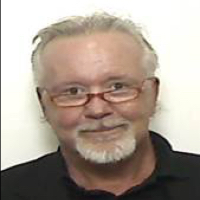
Michael Booth is a Licensed Marriage and Family Therapist (LMFT) with 25 years of clinical experience in California. He helps people whose lives are affected by depression, anxiety, addictions, anger, or a sense of emptiness. He listens first and then works with each person to decide what to focus on next.
He uses straightforward talk and practical techniques to help people manage strong feelings. Sessions often include learning new coping skills, spotting unhelpful thoughts, and trying small experiments between meetings.
Background and approach
Michael pays attention to life circumstances such as work, parenting, relationships, or career choices when shaping therapy. Clients commonly bring concerns like trauma, grief, relationship strain, intimacy issues, ADHD, panic attacks, or struggles with self-esteem. He also supports people dealing with substance and process addictions, questions about life purpose, and issues tied to family of origin and attachment.
Michael aims to make sessions feel purposeful and relevant to everyday life. His approach blends Acceptance and Commitment Therapy, cognitive behavioral techniques, dialectical behavior strategies, existential reflection, and client-centered conversation. That mix helps people notice patterns, try new responses, and build a more workable daily routine.
Michael offers video calls, phone sessions, live chat, and text-based messaging. Sessions are scheduled through a subscription model that can be canceled at any time. To begin, a person completes a short matching questionnaire and schedules according to therapist availability.
What Michael works with
Everything Michael lists, in the therapist's own terms. Anger is the reason this directory exists; the rest tells you what usually sits alongside it in Michael's practice.
- Stress, Anxiety
- Addictions
- Anger management
- Self esteem
- Depression
- LGBT
- Relationship issues
- Family conflicts
- Trauma and abuse
- Grief
- Intimacy-related issues
- Parenting issues
- Career difficulties
- Bipolar disorder
- Coping with life changes
- ADHD
- Attachment issues
- Avoidant personality
- Co-morbidity
- Commitment issues
- Drug and alcohol addiction
- Emptiness
- Family of origin issues
- Guilt and shame
- Infidelity
- Isolation / loneliness
- Life purpose
- Veteran and Armed Forces Issues
- Panic disorder and panic attacks
- Paranoia
- Process addiction (porn, exercise, gambling)
- Sex addiction
- Social anxiety and phobia
- Young adult issues
Approaches Michael lists
- Acceptance and Commitment Therapy (ACT)
- Client-Centered Therapy
- Cognitive Behavioral Therapy (CBT)
- Dialectical Behavior Therapy (DBT)
- Existential Therapy
- Mindfulness Therapy
- Motivational Interviewing
- Solution-Focused Therapy
Listing an approach is not evidence of training in it. This directory copies what each therapist names and does not check training records.
How Michael’s Approaches Work Online
Acceptance and Commitment Therapy (ACT) helps people notice painful thoughts and feelings without getting stuck in them. It encourages choosing actions that reflect personal values and can help with anxiety, depression, and anger. Cognitive Behavioral Therapy (CBT) focuses on identifying unhelpful thoughts and testing new ways of thinking and behaving to reduce symptoms like panic, low mood, or problematic beliefs.Finding the right approach is part of the work. Michael will talk with each person about goals, past attempts, and day-to-day life, and then suggest techniques that fit. That collaborative process means interventions can change over time as needs shift.
Online sessions offer practical flexibility. Video calls let therapists observe tone and expression, while phone sessions require less bandwidth and can be easier during a busy day. Live chat and text-based messaging support shorter check-ins, quick skills reminders, or work between full sessions. These options make it easier to keep therapy consistent around work, parenting, or travel commitments.
Questions people ask about Michael
What kinds of problems does he address?
He works with stress, anxiety, depression, anger, addictions, grief, trauma, relationship and family concerns, and related issues such as shame, infidelity, and life purpose.
How would you describe his therapeutic style?
He combines practical skills training with conversational, client-centered work. Sessions focus on what matters most and include exercises to try between meetings.
What is his background and experience?
He is a Licensed Marriage and Family Therapist with 25 years of experience working with adults on mood, addiction, and meaning-related concerns.
Where is he licensed and based?
He holds a California LMFT credential and practices in California.
Which languages are supported for sessions?
Sessions are offered in English.
What session formats are available?
He provides video calls, phone sessions, live chat, and text-based messaging to fit different needs and schedules.
How does cost and billing work?
Costs vary with location and therapist availability; sessions use a subscription that can be canceled at any time.
How do I get started with therapy?
Choose the Start Therapy button, complete a short matching questionnaire, and then schedule sessions based on the therapist's availability.