Works with
- Anger
- Stress, Anxiety
- Relationship issues
- Family conflicts
- Parenting issues
- Depression
How Michael works
Practical facts
- Credentials
- LPC
- Licensed in
- Missouri
- Years in practice
- 45
- Languages
- English
- Session format
- Online, through our partner platform
About Michael
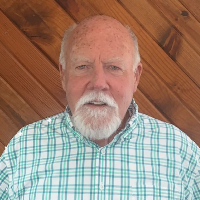
Dr. Michael Cundiff is a licensed professional counselor (LPC) practicing in Missouri with 45 years of experience. He introduces himself directly and aims to make first steps feel manageable.
He prefers a warm, conversational beginning and encourages people to ask questions at any point. He commonly uses 45-minute sessions, though he can adjust session length when needed. Sessions happen by video calls, phone, live chat, or text-based messaging.
He checks messages several times a day and replies promptly when questions arise.
Background and approach
His style is client-centered, focusing on the relationship between counselor and client. He works together with people to set goals and decide on practical steps. That means the person’s ideas about what might help are part of the plan.
Dr. Cundiff helps people address a wide range of concerns. These include stress, anxiety, depression, addictions, grief, trauma and abuse, anger, self-esteem, sleep and eating problems, relationship and communication struggles, parenting and family issues, ADHD, career questions, and coping with life changes.
He also pays attention to issues such as abandonment, attachment, caregiver stress, codependency, forgiveness, guilt and shame. In sessions he aims to listen closely, reflect what he hears, and support small, practical changes people can try between meetings. People who prefer a relaxed, collaborative conversation about concrete steps often fit well with his approach.
He invites questions and works with each person to shape a plan that fits their life.
What Michael works with
Everything Michael lists, in the therapist's own terms. Anger is the reason this directory exists; the rest tells you what usually sits alongside it in Michael's practice.
- Stress, Anxiety
- Relationship issues
- Family conflicts
- Parenting issues
- Depression
- Addictions
- LGBT
- Trauma and abuse
- Grief
- Intimacy-related issues
- Eating disorders
- Sleeping disorders
- Anger management
- Self esteem
- Career difficulties
- Coping with life changes
- Coaching
- Compassion fatigue
- ADHD
- Abandonment
- Adoption and foster care
- Aging and geriatric issues
- Attachment issues
- Caregiver issues and stress
- Codependency
- Commitment issues
- Communication problems
- Divorce and separation
- Emptiness
- Family problems
- Fatherhood issues
- First responder issues
- Forgiveness
- Guilt and shame
- Hearing impaired
- Hospice and end-of-life counseling
- Impulsivity
- Infidelity
- Intellectual disability
- Jealousy
- Life purpose
- Men's issues
- Midlife crisis
- Money and financial issues
- Obsessions, compulsions, and OCD
- Panic disorder and panic attacks
- Personality disorders
- Phobias
- Post-traumatic stress
- Process addiction (porn, exercise, gambling)
- Seasonal Affective Disorder (SAD)
- Self-harm
- Sex addiction
- Sexual assault and abuse
- Sexual dysfunction
- Social anxiety and phobia
- Trichotillomania
- Women's issues
- Workplace issues
- Young adult issues
Approaches Michael lists
- Client-Centered Therapy
- Cognitive Behavioral Therapy (CBT)
- Mindfulness Therapy
- Motivational Interviewing
- Narrative Therapy
- Psychodynamic Therapy
- Trauma-Focused Therapy
Listing an approach is not evidence of training in it. This directory copies what each therapist names and does not check training records.
How online approaches shape practical work
Client-Centered Therapy emphasizes the relationship and the person’s own goals. The therapist listens closely, reflects concerns, and helps people develop their own next steps. This approach is useful for issues like depression, grief, relationship struggles, and anger because it starts with the person’s priorities.Cognitive Behavioral Therapy, or CBT, focuses on identifying unhelpful thoughts and testing new behaviors. It breaks problems into small, manageable steps and is often used for anxiety, stress, sleep or eating difficulties, and coping with life changes.
The therapist will work with each person to decide which approach, or combination of approaches, fits best. Figuring that out is a collaborative process based on the client’s goals, preferences, and what shows early progress. Sessions can shift over time as needs change.
Online therapy offers practical flexibility. Video calls allow face-to-face conversation, phone sessions avoid video when bandwidth is limited, live chat can be used for shorter check-ins, and text messaging supports ongoing reflection between sessions. These options make it easier to fit work into a busy day, keep momentum between meetings, and try different formats to see what helps most.
Questions people ask about Michael
What kinds of problems does this therapist address?
He works with many concerns including stress, anxiety, depression, addictions, grief, trauma and abuse, anger, self-esteem, sleep and eating issues, relationship and communication problems, parenting and family topics, ADHD, and coping with life changes.
How would you describe his therapeutic style?
His approach is client-centered and relationship based, meaning he collaborates with clients to set goals and choose strategies that fit their needs.
What is his background and experience?
He has 45 years of experience in counseling and emphasizes a conversational, team-based approach to problem solving.
What credentials and location are listed?
He is listed as an LPC in Missouri and practices there as a licensed professional counselor.
Which languages are supported for sessions?
Sessions are offered in English.
What session formats are available online?
He offers video calls, phone sessions, live chat, and text-based messaging to suit different preferences and schedules.
How are costs and billing handled?
Cost varies with location and therapist scheduling; sessions use a subscription model that can be canceled at any time.
How do I begin working with him?
Start by selecting the Start Therapy button, complete a short matching questionnaire, and then schedule sessions according to therapist availability.