Works with
How Michele works
Practical facts
- Credentials
- LPCC
- Licensed in
- Minnesota
- Years in practice
- 25
- Languages
- English
- Session format
- Online, through our partner platform
About Michele
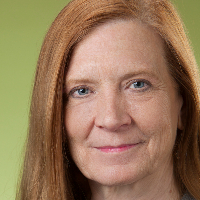
Michele Fitzgerald is a licensed professional clinical counselor with 25 years of experience. She began her career in the 1980s working with adolescents in substance abuse treatment and has practiced in settings ranging from Kodiak, Alaska to Minneapolis, Minnesota. Michele brings long-term experience in addiction and mental health care to her work with adults facing stress, anxiety, anger, grief, and mood concerns.
Her background includes substance abuse treatment, adoption and birth parent counseling, hospital social work, and long-term care support.
Background and approach
That breadth gives her a practical view of how life events and relationships affect daily functioning. She emphasizes recovery as a broader path toward wellness rather than a single endpoint. In sessions she listens closely and treats mistakes as opportunities to learn.
She blends client-centered methods with cognitive behavior strategies and skills from dialectical behavior therapy to help people manage strong emotions and change unhelpful patterns. Motivational interviewing techniques are used when people want to shift habits such as substance use. Michele also uses eye movement desensitization and reprocessing as one option for addressing painful memories and trauma when appropriate.
Her approach focuses on clear, usable steps people can try between sessions. She aims to help people build steady coping skills for sleep, eating, parenting, work, and relationships. People who want a calm, experienced listener and practical tools for change often find her way of working approachable.
Michele practices in Minnesota and holds the LPCC credential.
What Michele works with
Everything Michele lists, in the therapist's own terms. Anger is the reason this directory exists; the rest tells you what usually sits alongside it in Michele's practice.
- Stress, Anxiety
- Addictions
- Trauma and abuse
- Grief
- Depression
- LGBT
- Relationship issues
- Family conflicts
- Eating disorders
- Sleeping disorders
- Parenting issues
- Anger management
- Self esteem
- Career difficulties
- Coping with life changes
- ADHD
- Abandonment
- Adoption and foster care
- Aging and geriatric issues
- Attachment issues
- Blended family issues
- Chronic pain, illness, and disability
- Codependency
- Communication problems
- Control issues
- Coping with natural or human-caused disaster
- Divorce and separation
- Drug and alcohol addiction
- Eating and food-related issues
- Emptiness
- Family of origin issues
- Family problems
- Fertility issues
- Forgiveness
- Guilt and shame
- Hospice and end-of-life counseling
- Isolation / loneliness
- Life purpose
- Midlife crisis
- Money and financial issues
- Mood disorders
- Post-traumatic stress
- Seasonal Affective Disorder (SAD)
- Self-love
- Social anxiety and phobia
- Women's issues
- Workplace issues
Approaches Michele lists
- Client-Centered Therapy
- Cognitive Behavioral Therapy (CBT)
- Dialectical Behavior Therapy (DBT)
- Eye Movement Desensitization and Reprocessing (EMDR)
- Motivational Interviewing
Listing an approach is not evidence of training in it. This directory copies what each therapist names and does not check training records.
Therapeutic approaches and how they work online
Michele draws on client-centered therapy to create a respectful, listening-first space where people can say what matters most. This approach helps people clarify goals and feel heard before deciding on practical next steps.She also uses cognitive behavioral therapy, a hands-on method that identifies unhelpful thoughts and behaviors and replaces them with clearer, more effective options. CBT is often used for anxiety, anger, sleep and mood concerns because it focuses on skills you can practice between sessions.
Dialectical behavior therapy skills are part of her toolbox for managing intense emotions and improving emotion regulation and interpersonal effectiveness. DBT-informed strategies can help when stress or anger feels overwhelming.
Michele treats finding the right approach as a collaborative process. She will work with each person to choose or blend methods that match their needs, goals, and preferences rather than imposing one path.
Online therapy formats include video calls, phone sessions, live chat, and text-based messaging. Video sessions allow face-to-face conversation and visual cues, phone sessions can be a good low-bandwidth option, live chat supports shorter check-ins, and text messaging lets people send updates or questions between meetings. These options offer flexibility for fitting care into work, family life, or busy schedules.
Questions people ask about Michele
What concerns does she help with?
Michele works with a wide range of concerns including stress, anxiety, addictions, trauma and abuse, grief, depression, anger, self-esteem, sleep and eating issues, parenting challenges, career stress, ADHD, and relationship difficulties.
How would you describe her therapeutic style?
She uses a listening-first, practical style that combines client-centered care with cognitive behavioral and dialectical skills. Sessions focus on clear steps and coping techniques people can apply between meetings.
What is her professional background?
She has 25 years of experience beginning with adolescent substance abuse treatment in the 1980s and later working in adoption counseling, hospital social work, and long-term care settings.
Where is she licensed and based?
Michele holds the LPCC credential and practices in Minnesota.
Which languages are supported for sessions?
Sessions are offered in English.
What session formats are offered?
She offers video calls, phone sessions, live chat, and text-based messaging to fit different needs and schedules.
How is cost handled for sessions?
Costs vary by location and therapist availability and sessions are provided through a subscription model that can be canceled at any time.
How do I begin working with her?
Start by selecting the Start Therapy button and completing a short matching questionnaire, then schedule a session according to the therapist's availability.