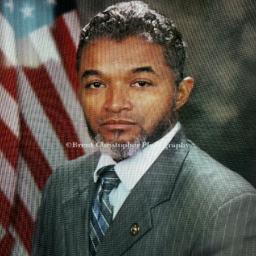
Dr. Morris Lewis, CO Psychologist
Experienced psychologist helping manage strong emotions
Book with MorrisWorks with
- Anger
- Stress, Anxiety
- Addictions
- Relationship issues
- Family conflicts
- Grief
How Morris works
Practical facts
- Credentials
- CO Psychologist
- Licensed in
- Colorado
- Years in practice
- 25
- Languages
- English
- Session format
- Online, through our partner platform
About Morris
Dr. Morris Lewis is a Colorado psychologist with a Ph.D. in Counseling Psychology and more than 25 years of experience. He brings a steady, practical outlook to sessions and focuses on helping people manage strong reactions like anger as well as stress, anxiety, depression, and addiction.
He uses straightforward language and clear goals so clients know what to expect from therapy. He starts by meeting people where they are and building from that point.
Background and approach
That means exploring how feelings and thoughts link to behavior, and finding small changes that make a difference. He helps identify triggers, notice unhelpful thinking patterns, and practice new ways of responding. His work also covers relationship and intimacy concerns, parenting stress, grief, career issues, and challenges such as impulsivity or substance use.
He addresses family of origin and attachment concerns in ways that connect past patterns to present choices. Coaching-style support is available for people who want practical steps and accountability. Dr.
Lewis blends approaches rather than using only one model. Sessions aim to be collaborative and focused on achievable steps. Progress is tracked in everyday terms like changes in mood, fewer angry outbursts, or better communication.
He practices in Colorado and conducts sessions in English. His license is CO Psychologist 0003035. Many people find his mix of empathy and direct problem-solving useful when life feels overwhelming or when strong emotions keep getting in the way.
What Morris works with
Everything Morris lists, in the therapist's own terms. Anger is the reason this directory exists; the rest tells you what usually sits alongside it in Morris's practice.
- Stress, Anxiety
- Addictions
- Relationship issues
- Family conflicts
- Grief
- Intimacy-related issues
- Parenting issues
- Anger management
- Self esteem
- Career difficulties
- Bipolar disorder
- Depression
- Coping with life changes
- Coaching
- Compassion fatigue
- Abandonment
- Attachment issues
- Caregiver issues and stress
- Commitment issues
- Communication problems
- Control issues
- Drug and alcohol addiction
- Emptiness
- Family of origin issues
- Family problems
- Fatherhood issues
- Forgiveness
- Guilt and shame
- Impulsivity
- Infidelity
- Isolation / loneliness
- Jealousy
- Life purpose
- Men's issues
- Midlife crisis
- Money and financial issues
- Multicultural concerns
- Prejudice and discrimination
- Self-love
- Sexuality
- Workplace issues
- Young adult issues
Approaches Morris lists
- Client-Centered Therapy
- Cognitive Behavioral Therapy (CBT)
- Emotionally-Focused Therapy (EFT)
- Motivational Interviewing
- Solution-Focused Therapy
Listing an approach is not evidence of training in it. This directory copies what each therapist names and does not check training records.
How approach and access come together online
Dr. Lewis draws on Client-Centered Therapy, Cognitive Behavioral Therapy (CBT), and Motivational Interviewing to guide online work. Client-Centered Therapy focuses on listening closely and understanding the person's experience so they feel heard and supported. CBT looks at the links between thoughts, feelings, and actions and teaches practical skills to change unhelpful thinking and reactions. Motivational Interviewing helps people find their own reasons to change and supports readiness for steps like reducing substance use or managing anger.Finding the right mix of these approaches is part of the process. He will work with each person to choose methods that match goals, comfort level, and the challenges they bring. That collaborative approach means techniques may shift over time as progress is made and priorities change.
Online sessions use video calls, phone sessions, live chat, or text-based messaging so people can fit therapy into busy lives. Video works well for deeper conversation and nonverbal cues. Phone sessions can be easier when bandwidth is limited or a shorter check-in is needed. Live chat and text messaging allow brief updates, homework support, or step-by-step coaching between longer sessions. These options aim to make consistent work possible despite distance or schedules.
Questions people ask about Morris
What concerns does Dr. Lewis address?
He works with stress, anxiety, depression, addiction, anger, relationship and intimacy issues, parenting strain, grief, career problems, bipolar mood concerns, and related areas like impulsivity and guilt.
What is his therapeutic style like?
He uses a practical, client-centered approach that focuses on emotions and thinking. Sessions aim to identify triggers and practice concrete changes.
How much experience does he have?
He has over 25 years of professional experience working with people from diverse backgrounds.
What are his credentials and location?
He holds a Ph.D. in Counseling Psychology and is licensed as CO Psychologist 0003035 in Colorado.
Which languages are supported?
Sessions are offered in English.
Can international clients work with him?
International clients are not currently accepted.
What session formats are available?
He offers video calls, phone sessions, live chat, and text-based messaging to suit different schedules and preferences.
How are costs handled and how do I begin?
Cost varies with location and scheduling and uses a subscription that can be canceled at any time. To begin, select the Start Therapy button, complete a short matching questionnaire, and schedule based on therapist availability.