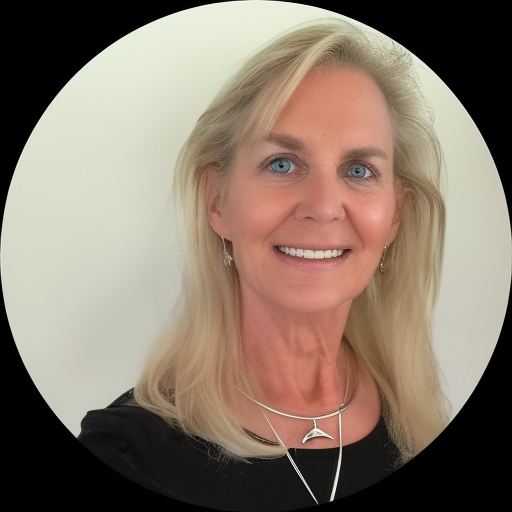
Dr. Nancy Michuda, IL Psychologist, FL Psychologist
Experienced psychologist for anger and life stress
Book with NancyWorks with
- Anger
- Stress, Anxiety
- Family conflicts
- Parenting issues
- Self esteem
- ADHD
How Nancy works
Practical facts
- Credentials
- IL Psychologist, FL Psychologist
- Licensed in
- Florida, Illinois
- Years in practice
- 28
- Languages
- English
- Session format
- Online, through our partner platform
About Nancy
Dr. Nancy Michuda helps people manage stress, anxiety, anger, grief, sleep and eating concerns. She also addresses parenting and family-related worries, self-esteem, ADHD, trauma, career questions, and life transitions.
Nancy brings 28 years of experience to her work in Florida. She trained at the University of Miami, earning a Master of Science and a Doctor of Philosophy in Developmental and Pediatric Psychology. She holds psychologist licenses in Florida and Illinois.
Background and approach
Her background means she is familiar with developmental and family-related issues and how they affect daily life. Nancy uses a mix of practical approaches rather than a single method. She draws on cognitive behavioral strategies to spot unhelpful thinking and behavioral habits.
She also uses mindfulness and acceptance techniques to help people notice feelings and choose actions that match their values. Attachment ideas inform how she looks at relationships and communication problems. Dialectical behavior therapy skills are used when strong emotions or impulsivity make life harder.
Treatment plans are shaped around the person in front of her, not a one-size-fits-all protocol. Sessions aim to be down-to-earth and collaborative. She asks for regular input so the work stays useful and relevant.
The goal is clearer coping skills, better emotion management, and more confidence in moving through life changes.
What Nancy works with
Everything Nancy lists, in the therapist's own terms. Anger is the reason this directory exists; the rest tells you what usually sits alongside it in Nancy's practice.
- Stress, Anxiety
- Family conflicts
- Parenting issues
- Self esteem
- ADHD
- LGBT
- Trauma and abuse
- Grief
- Eating disorders
- Sleeping disorders
- Anger management
- Career difficulties
- Depression
- Coping with life changes
- Adoption and foster care
- Attachment issues
- Autism and Asperger Syndrome
- Body image
- Communication problems
- Eating and food-related issues
- Family problems
- Fatherhood issues
- Hearing impaired
- Impulsivity
- Intellectual disability
- Life purpose
- Mood disorders
- Post-traumatic stress
- Social anxiety and phobia
- Visually impaired
- Young adult issues
Approaches Nancy lists
- Acceptance and Commitment Therapy (ACT)
- Attachment-Based Therapy
- Cognitive Behavioral Therapy (CBT)
- Dialectical Behavior Therapy (DBT)
- Mindfulness Therapy
- Solution-Focused Therapy
- Somatic Therapy
- Trauma-Focused Therapy
- Internal Family Systems
Listing an approach is not evidence of training in it. This directory copies what each therapist names and does not check training records.
How approach and online care work together
The therapist uses Cognitive Behavioral Therapy to identify and change unhelpful thoughts and behaviors that feed stress, anger, and low mood. CBT often focuses on practical steps and homework to build better daily habits.She also draws on Acceptance and Commitment Therapy, which helps people notice painful feelings without letting them drive every choice and to act in ways that match their values. Mindfulness therapy is woven through sessions to teach simple attention and breathing skills that reduce reactivity and improve focus.
Finding the right approach is part of the work. The therapist will talk with each person about their goals and preferences and then try methods that fit. This is a collaborative process, with regular check-ins to make sure the plan is helpful and adjusted as needed.
Online care offers several practical options including video calls, phone sessions, live chat, and text-based messaging. Video sessions allow face-to-face interaction and visual cues. Phone sessions are helpful when bandwidth is limited or a quieter check-in is needed. Live chat and messaging can work for brief check-ins, skill practice, or when typing feels easier. These formats make therapy more flexible and easier to fit into a busy schedule.
Questions people ask about Nancy
What kinds of concerns does Nancy help with?
She supports people facing stress, anxiety, anger, depression, grief, sleep and eating issues as well as parenting and family-related challenges.
What is her general approach in sessions?
She uses a blend of practical methods such as cognitive behavioral techniques, mindfulness, and skills training to help manage emotions and change unhelpful patterns.
How much experience does she have?
She has 28 years of professional experience working with developmental and related concerns.
Where is she licensed and based?
She is a licensed psychologist in Florida and Illinois and practices out of Florida.
Which languages are sessions offered in?
Sessions are offered in English.
Are international clients accepted?
International clients are not currently accepted.
What session formats are available?
Sessions can be done by video calls, phone sessions, live chat, or text-based messaging.
How does cost and starting therapy work?
Cost varies with location and therapist availability and uses a subscription that can be canceled at any time. To begin, select the Start Therapy button, complete a short matching questionnaire, and schedule according to therapist availability.