Works with
- Anger
- Stress, Anxiety
- Trauma and abuse
- Grief
- Bipolar disorder
- Coping with life changes
How Naomia works
Practical facts
- Credentials
- LCMHC
- Licensed in
- Utah
- Years in practice
- 20
- Languages
- English
- Session format
- Online, through our partner platform
About Naomia
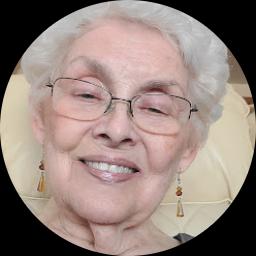
Naomia Bell is a Licensed Clinical Mental Health Counselor (LCMHC) with 20 years in mental health care. She focuses on practical support and clear strategies. She listens without judgment and helps people who are dealing with stress, anxiety, grief, mood challenges, and anger.
Her background includes work in schools and behavioral health settings. That experience shaped a direct, calm style that aims to make therapy feel manageable. Sessions often start with what matters most now and then build simple steps to cope better day to day.
Background and approach
Naomia uses approaches such as Acceptance and Commitment Therapy, Cognitive Behavioral Therapy, and Dialectical Behavior Therapy to address thought patterns and emotional responses. She also draws on attachment-based and client-centered ideas to strengthen relationships and personal resilience. This mix supports work on problems like trauma, addictions, self-esteem, and life transitions.
People who come for anger-related concerns often get concrete tools for recognizing triggers and calming reactions. Work can include skill practice between sessions and short-term problem solving for urgent situations. The tone is collaborative and goal-focused, with attention to each person’s pace.
Naomia offers services in English and accepts international clients. She provides video calls, phone sessions, live chat, and text-based messaging. Fees vary with location and use a subscription that can be canceled at any time.
What Naomia works with
Everything Naomia lists, in the therapist's own terms. Anger is the reason this directory exists; the rest tells you what usually sits alongside it in Naomia's practice.
- Stress, Anxiety
- Trauma and abuse
- Grief
- Bipolar disorder
- Coping with life changes
- Addictions
- Relationship issues
- Family conflicts
- Intimacy-related issues
- Eating disorders
- Anger management
- Self esteem
- Career difficulties
- Depression
- Coaching
- Compassion fatigue
- ADHD
- Abandonment
- Aging and geriatric issues
- Attachment issues
- Blended family issues
- Caregiver issues and stress
- Chronic pain, illness, and disability
- Codependency
- Communication problems
- Control issues
- Disruptive Mood Dysregulation Disorder (DMDD)
- Divorce and separation
- Drug and alcohol addiction
- Emptiness
- Family of origin issues
- Family problems
- Fatherhood issues
- First responder issues
- Forgiveness
- Guilt and shame
- Hospice and end-of-life counseling
- Infidelity
- Isolation / loneliness
- Life purpose
- Veteran and Armed Forces Issues
- Mood disorders
- Multicultural concerns
- Postpartum depression
- Post-traumatic stress
- Pregnancy and childbirth
- Seasonal Affective Disorder (SAD)
- Self-love
- Sex addiction
- Sexual assault and abuse
- Social anxiety and phobia
- Women's issues
Approaches Naomia lists
- Acceptance and Commitment Therapy (ACT)
- Attachment-Based Therapy
- Client-Centered Therapy
- Cognitive Behavioral Therapy (CBT)
- Dialectical Behavior Therapy (DBT)
- Emotionally-Focused Therapy (EFT)
- Existential Therapy
- Eye Movement Desensitization and Reprocessing (EMDR)
- Gottman Method
- Mindfulness Therapy
- Motivational Interviewing
- Psychodynamic Therapy
- Solution-Focused Therapy
- Somatic Therapy
- Trauma-Focused Therapy
Listing an approach is not evidence of training in it. This directory copies what each therapist names and does not check training records.
Therapeutic approaches you can use online
Acceptance and Commitment Therapy helps people notice unhelpful thoughts and commit to actions that match their values. It is often used for anxiety, stress, and life changes by teaching simple exercises to stay present and take purposeful steps. Cognitive Behavioral Therapy looks at how thoughts, feelings, and actions are linked and offers practical techniques to change patterns that fuel depression, anxiety, and anger. It usually involves skill practice and small behavior changes between sessions.Finding the right approach is part of the work. The therapist will discuss what matters most to the person and try methods that fit their needs and goals. That collaborative process helps decide whether to focus on acceptance strategies, thought restructuring, emotion regulation skills, or a mix of techniques.
Online sessions can make therapy more flexible. Video calls let people use visual cues and longer conversations. Phone sessions may be easier when bandwidth or camera use is limited. Live chat and text-based messaging allow brief check-ins, written tracking of progress, and continuing work between scheduled meetings. These formats help fit therapy into busy lives and different time zones.
Questions people ask about Naomia
What concerns does this therapist address?
Naomia helps people with stress, anxiety, anger, trauma and abuse, grief, mood disorders, addictions, eating and self-esteem issues, career strain, and related family and relationship problems.
What is the general therapy style like?
The approach is practical and collaborative. Sessions focus on clear skills, emotion regulation, and small steps people can try between meetings.
How much experience does the therapist have?
She brings 20 years of experience in mental health, including school-based roles and inpatient and outpatient behavioral health settings.
What credentials and location should I know about?
Naomia holds the LCMHC credential in Utah and practices remotely with clients in that region as part of her work.
Which languages are supported and are international clients accepted?
Sessions are offered in English and international clients are accepted.
What session formats are available?
She offers video calls, phone sessions, live chat, and text-based messaging to suit different preferences and schedules.
How are costs handled?
Fees vary by location and therapist arrangement; sessions use a subscription model that can be canceled at any time.
How do I begin working with this therapist?
Start by selecting the Start Therapy button, completing a short matching questionnaire, and then schedule according to the therapist's availability.