Works with
- Anger
- Stress, Anxiety
- Family conflicts
- Grief
- Depression
- Coping with life changes
How Nicolas works
Practical facts
- Credentials
- LCSW
- Licensed in
- Florida
- Years in practice
- 20
- Languages
- English
- Session format
- Online, through our partner platform
About Nicolas
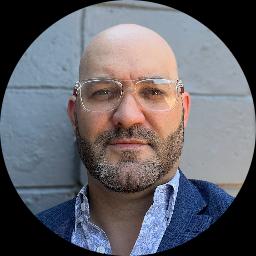
Nicolas Gross is a Licensed Clinical Social Worker (LCSW) based in Florida who helps people manage anger, stress, anxiety, and life changes. He works with individuals facing grief, depression, relationship strain, addiction concerns, and issues around intimacy and self-esteem. He often supports people navigating parenting challenges, ADHD, bipolar symptoms, and caregiver fatigue.
His style is collaborative and straightforward. He invites clients to name the problems that matter most and sets clear, realistic goals together.
Background and approach
Sessions mix focused talk with practical exercises tailored to each person’s needs. Nicolas draws on a few therapy approaches to shape sessions. He uses cognitive behavioral techniques to identify unhelpful thinking and behavior patterns.
He also applies acceptance and commitment ideas to build values-based action and emotional flexibility. He values personal strengths and resilience. Therapy aims to uncover those strengths and turn them into tools for change.
That can mean working on communication, decision-making, or coping skills, depending on what the client wants. With 20 years of clinical experience, he brings steady, experienced guidance to common and complex problems. People who choose him can expect clear explanations, workable steps between sessions, and a focus on progress over time.
What Nicolas works with
Everything Nicolas lists, in the therapist's own terms. Anger is the reason this directory exists; the rest tells you what usually sits alongside it in Nicolas's practice.
- Stress, Anxiety
- Family conflicts
- Grief
- Depression
- Coping with life changes
- Addictions
- LGBT
- Relationship issues
- Trauma and abuse
- Intimacy-related issues
- Parenting issues
- Anger management
- Self esteem
- Bipolar disorder
- Compassion fatigue
- ADHD
- Abandonment
- Adoption and foster care
- Aging and geriatric issues
- Attachment issues
- Avoidant personality
- Cancer
- Caregiver issues and stress
- Codependency
- Commitment issues
- Communication problems
- Control issues
- Coping with natural or human-caused disaster
- Dependent personality
- Divorce and separation
- Emptiness
- Family of origin issues
- Forgiveness
- Guilt and shame
- HIV / AIDS
- Hoarding
- Hospice and end-of-life counseling
- Immigration issues
- Impulsivity
- Infidelity
- Isolation / loneliness
- Life purpose
- Men's issues
- Midlife crisis
- Mood disorders
- Multicultural concerns
- Obsessions, compulsions, and OCD
- Process addiction (porn, exercise, gambling)
- Self-love
- Sex addiction
- Sexuality
- Smoking / vaping cessation
- Social anxiety and phobia
- Somatization
- Traumatic brain injury
Approaches Nicolas lists
- Acceptance and Commitment Therapy (ACT)
- Client-Centered Therapy
- Cognitive Behavioral Therapy (CBT)
- Existential Therapy
- Narrative Therapy
- Solution-Focused Therapy
Listing an approach is not evidence of training in it. This directory copies what each therapist names and does not check training records.
Therapy approaches and online options
Acceptance and Commitment Therapy (ACT) focuses on helping people act in line with their values while learning to live with difficult thoughts and feelings. It can be useful for anger, anxiety, depression, and coping with life changes. Cognitive Behavioral Therapy (CBT) looks at the link between thoughts, feelings, and behaviors and gives concrete tools to change unhelpful patterns, which helps with mood, anxiety, and relationship difficulties. Client-Centered Therapy emphasizes listening, empathy, and building a trusting relationship so clients can find their own solutions and move toward their goals.Choosing the right approach is part of the work. The therapist will collaborate with each person to see which methods fit their needs, goals, and preferences. That may mean trying one approach for a while, then adapting methods as progress is made.
Online therapy offers flexibility through video calls, phone sessions, live chat, and text-based messaging. Video sessions allow face-to-face conversation, phone can be used when bandwidth is limited, live chat can offer shorter check-ins, and messaging supports ongoing reflection between sessions. These options make it easier to fit therapy into a busy schedule and keep consistent contact with a licensed professional.
Questions people ask about Nicolas
What concerns does Nicolas address?
He supports people dealing with anger, stress, anxiety, depression, grief, addictions, relationship problems, and parenting strain, among other issues.
What is his therapeutic style like?
His approach is collaborative and straightforward, mixing focused conversation with practical exercises and goal-setting to help clients make concrete changes.
How much clinical experience does he have?
He has 20 years of professional clinical experience working with a range of emotional and life challenges.
What credentials and location are listed?
He is a Licensed Clinical Social Worker, LCSW, licensed in Florida and practices there.
In which language are sessions offered?
Sessions are offered in English and he does not work with international clients at this time.
What session formats are available?
He meets via video calls, phone sessions, live chat, and text-based messaging to give people multiple ways to connect.
How does payment and cost work?
Cost varies with location and therapist availability; sessions use a subscription model that can be canceled at any time.
How do I begin working with him?
Start by selecting the Start Therapy button, complete a short matching questionnaire, and then schedule sessions according to therapist availability.