Works with
- Anger
- Stress, Anxiety
- Trauma and abuse
- Anger management
- Depression
- Coping with life changes
How Pamela works
Practical facts
- Credentials
- LCSW
- Licensed in
- Illinois, Florida, Georgia, Missouri, Arizona
- Years in practice
- 15
- Languages
- English
- Session format
- Online, through our partner platform
About Pamela
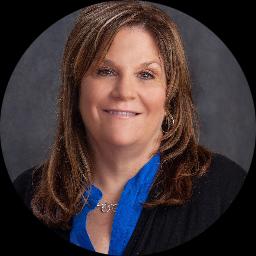
Pamela Barrigar is a Licensed Clinical Social Worker with 15 years of practice helping people manage stress, anxiety, anger, depression, and relationship strain. She works from Illinois and brings steady, practical support to those facing life changes or emotional overwhelm. Pamela speaks plain language and focuses on concrete steps people can use right away.
Her approach mixes several well-known methods to match what each person needs. She offers client-centered care that listens first, then uses cognitive behavioral strategies to address unhelpful thoughts and behaviors.
Background and approach
Dialectical behavior techniques and mindfulness exercises are available for emotion regulation and grounding. Pamela has experience with trauma, addictions, grief, bipolar disorder, ADHD, and compassion fatigue. She also supports people dealing with aging concerns, codependency, divorce, control issues, and feelings of isolation or low self-worth.
She frames work around daily life - what to do this week to feel a bit better. Sessions emphasize practical tools, clear goals, and steady check-ins. Pamela helps people practice skills between sessions and adjusts plans when needed.
She welcomes clients from varied faith backgrounds and aims to create a respectful, non-judgmental space. If someone wants help with anger or panic attacks, Pamela focuses on techniques to reduce reactivity and build coping skills. The path often starts with small, manageable changes and works toward more lasting patterns of calm and clearer communication.
What Pamela works with
Everything Pamela lists, in the therapist's own terms. Anger is the reason this directory exists; the rest tells you what usually sits alongside it in Pamela's practice.
- Stress, Anxiety
- Trauma and abuse
- Anger management
- Depression
- Coping with life changes
- Addictions
- Relationship issues
- Family conflicts
- Grief
- Self esteem
- Bipolar disorder
- Compassion fatigue
- ADHD
- Aging and geriatric issues
- Codependency
- Commitment issues
- Communication problems
- Control issues
- Divorce and separation
- Domestic violence
- Forgiveness
- Guilt and shame
- Isolation / loneliness
- Life purpose
- Midlife crisis
- Narcissism
- Panic disorder and panic attacks
- Post-traumatic stress
- Social anxiety and phobia
Approaches Pamela lists
- Acceptance and Commitment Therapy (ACT)
- Client-Centered Therapy
- Cognitive Behavioral Therapy (CBT)
- Dialectical Behavior Therapy (DBT)
- Mindfulness Therapy
- Motivational Interviewing
- Solution-Focused Therapy
Listing an approach is not evidence of training in it. This directory copies what each therapist names and does not check training records.
Therapeutic approaches and online care that fit your life
Acceptance and Commitment Therapy (ACT) invites people to notice painful thoughts and feelings and still move toward what matters most. It helps when worry or anger gets in the way of goals by teaching values-based action and simple exercises to reduce avoidance.Cognitive Behavioral Therapy (CBT) looks at the link between thoughts, feelings, and behavior. It provides practical tools to challenge unhelpful thinking and test small behavior changes that lead to better emotional control. Mindfulness Therapy adds short attention exercises that reduce reactivity and improve focus during stressful moments.
Choosing the right approach is a shared process. The therapist will talk with the client about goals, try methods that fit their needs, and adjust tactics over time. That collaborative stance helps people find what actually works for them rather than sticking to one single method.
Online sessions can make it easier to keep therapy consistent. Video calls allow face-to-face work and skills practice, phone sessions can fit into a short break or require less bandwidth, and live chat or text-based messaging are useful for quick check-ins or when typing feels easier. These options allow flexibility so clients can use the formats that suit their schedule and comfort.
Questions people ask about Pamela
What concerns does Pamela commonly help with?
She helps people coping with stress, anxiety, anger, depression, trauma, addictions, grief, self-esteem, ADHD, bipolar symptoms, and a wide range of relationship and life-change issues.
What is her therapeutic style like?
Her style is direct and practical, with a focus on listening first and then teaching skills. Sessions often combine mindful awareness, DBT tools, and cognitive-behavioral techniques.
How much clinical experience does she have?
She has 15 years of experience as a Licensed Clinical Social Worker. That experience includes work with trauma, addiction, grief, and emotion regulation concerns.
Where is she based and what are her credentials?
She practices from Illinois and holds the LCSW credential. Her listed licenses include AZ LCSW and IL LCSW.
Which languages are supported for sessions?
Sessions are offered in English.
What session formats are available?
She meets via video calls, phone sessions, live chat, and text-based messaging to offer different ways to connect based on what fits a client's routine.
How are costs and payment handled?
Cost varies by location and therapist availability. Sessions use a subscription model that can be canceled at any time.
How do I begin working with her?
Start by selecting the Start Therapy button and completing a short matching questionnaire. Then schedule sessions according to the therapist's availability.