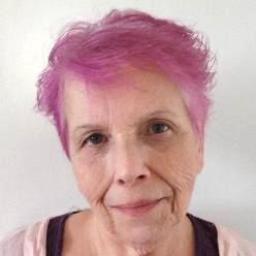
Patricia Marchman, LCSW
Experienced LCSW focused on practical coping skills
Explore online therapy optionsHow Patricia works
Practical facts
- Credentials
- LCSW
- Licensed in
- Illinois
- Years in practice
- 20
- Languages
- English
- Session format
- Online, through our partner platform
About Patricia
Patricia Marchman is a licensed clinical social worker with 20 years of experience practicing in Illinois. She focuses on helping people facing stress, anxiety, depression, addiction concerns, and major life changes. Patricia aims to create a calm space where people can talk about what feels overwhelming and begin to find manageable ways forward.
She uses straightforward, practical methods to help people cope with strong emotions like anger, grief, and shame.
Background and approach
Sessions often include learning specific skills for managing intense feelings, improving sleep, and handling career or relationship stress. Patricia helps people build routines and small habits that make daily life easier. Her work draws on several evidence-based approaches but she keeps explanations simple in session.
People who come to her for help with trauma, chronic health issues, or caregiver stress can expect steady, patient support. She also has experience addressing concerns common among veterans and first responders. Patricia favors a collaborative style.
She listens first, then sets clear, realistic goals together with each person. Progress is measured in small steps so changes feel achievable rather than overwhelming. Outside sessions she pays attention to practical barriers like sleep, work demands, and caregiver strain.
That helps shape plans people can actually follow between meetings. Her goal is to help clients strengthen coping skills and regain a sense of control over daily life.
What Patricia works with
Everything Patricia lists, in the therapist's own terms. Anger is the reason this directory exists; the rest tells you what usually sits alongside it in Patricia's practice.
- Stress, Anxiety
- Addictions
- Self esteem
- Depression
- Coping with life changes
- LGBT
- Relationship issues
- Family conflicts
- Trauma and abuse
- Grief
- Intimacy-related issues
- Sleeping disorders
- Parenting issues
- Anger management
- Career difficulties
- Bipolar disorder
- Compassion fatigue
- ADHD
- Aging and geriatric issues
- Caregiver issues and stress
- Chronic pain, illness, and disability
- Communication problems
- Divorce and separation
- Domestic violence
- Drug and alcohol addiction
- Family problems
- First responder issues
- Guilt and shame
- Hospice and end-of-life counseling
- Impulsivity
- Infidelity
- Life purpose
- Veteran and Armed Forces Issues
- Mood disorders
- Obsessions, compulsions, and OCD
- Panic disorder and panic attacks
- Post-traumatic stress
- Process addiction (porn, exercise, gambling)
- Self-harm
- Sexual assault and abuse
- Smoking / vaping cessation
- Social anxiety and phobia
- Young adult issues
Approaches Patricia lists
- Acceptance and Commitment Therapy (ACT)
- Attachment-Based Therapy
- Client-Centered Therapy
- Cognitive Behavioral Therapy (CBT)
- Dialectical Behavior Therapy (DBT)
- Existential Therapy
- Eye Movement Desensitization and Reprocessing (EMDR)
- Mindfulness Therapy
- Motivational Interviewing
- Narrative Therapy
- Psychodynamic Therapy
- Solution-Focused Therapy
- Trauma-Focused Therapy
- Internal Family Systems
Listing an approach is not evidence of training in it. This directory copies what each therapist names and does not check training records.
Therapeutic approaches used in online care
Acceptance and Commitment Therapy, or ACT, helps people notice painful thoughts without getting stuck in them and focus on values-based action. It can be useful for anxiety, depression, and when someone wants clearer direction during life changes.Cognitive Behavioral Therapy, or CBT, teaches practical skills to change unhelpful thinking and behavior patterns. It often helps with anxiety, sleep problems, anger, and managing mood shifts by breaking problems into small, manageable steps.
Finding the right approach is part of the work together. Patricia will talk with each person about their goals and preferences and try methods that fit those needs. She collaborates on a plan and adjusts techniques as progress and feedback guide the process.
Online therapy offers several practical benefits. Video calls let people have face-to-face conversation without traveling. Phone sessions work well when bandwidth is limited or a shorter check-in is needed. Live chat and text-based messaging make it easier to fit brief coaching or between-session support into a busy day. These options give more flexibility to schedule care around work, caregiving, or health needs.
Questions people ask about Patricia
What concerns does Patricia commonly address?
She works with stress, anxiety, depression, anger, addictions, grief, and life transitions among other issues listed in her profile.
What is her general therapeutic style?
Patricia uses a practical, collaborative approach that focuses on listening, setting small goals, and teaching coping skills people can use between sessions.
How much clinical experience does she have?
She has 20 years of professional experience as a licensed clinical social worker in Illinois.
What credential and location are listed for this therapist?
She holds the LCSW credential and practices in Illinois.
Which languages are supported for sessions?
Sessions are offered in English only.
What session formats does she offer online?
She works using video calls, phone sessions, live chat, and text-based messaging.
How are sessions priced?
Cost varies with location and therapist availability; sessions use a subscription that can be canceled at any time.
How do I begin working with her?
Start by selecting the Start Therapy button, completing a short matching questionnaire, and then schedule according to therapist availability.