Works with
- Anger
- Relationship issues
- Grief
- Anger management
- Self esteem
- Depression
How Patrick works
Practical facts
- Credentials
- LCSW
- Licensed in
- Missouri
- Years in practice
- 44
- Languages
- English
- Session format
- Online, through our partner platform
About Patrick
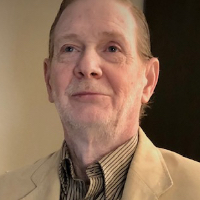
Patrick Shanahan is a licensed clinical social worker with 44 years of practice who helps people struggling with anger, relationships, grief, stress, and addiction. He focuses on clear, practical steps a person can take to regain steadiness and move forward. Conversations are direct and grounded in everyday values, not jargon.
Patrick draws on long experience to meet people where they are. He believes people are often self-correcting but can get stuck.
Background and approach
Therapy aims to identify what blocks movement and then find workable ways past it. Patrick pays close attention to a person’s values and life story when shaping goals. He also brings experience with a wide range of cultures and belief systems.
Early in his career he created and ran an outpatient clinic at a runaway and homeless youth shelter. For 18 years he provided case management, individual therapy, and family work both in the shelter and in community settings. He also trained and supervised staff and graduate students during that time.
Later roles included providing professional Christian counseling part time and nearly two decades working with managed care systems doing phone therapy and crisis intervention. Those positions expanded his skills in brief therapy and problem solving under time-limited conditions. Patrick’s approach blends several methods, including cognitive behavioral work, attachment-based ideas, emotionally-focused techniques, and acceptance and commitment principles.
He also uses structural and strategic family ideas and tools for working with addiction. This mix is applied in straightforward, step-by-step sessions aimed at everyday life problems.
What Patrick works with
Everything Patrick lists, in the therapist's own terms. Anger is the reason this directory exists; the rest tells you what usually sits alongside it in Patrick's practice.
- Relationship issues
- Grief
- Anger management
- Self esteem
- Depression
- Stress, Anxiety
- Addictions
- Family conflicts
- Trauma and abuse
- Intimacy-related issues
- Parenting issues
- Career difficulties
- Coping with life changes
- Coaching
- Compassion fatigue
- Adoption and foster care
- Aging and geriatric issues
- Blended family issues
- Caregiver issues and stress
- Codependency
- Communication problems
- Coping with natural or human-caused disaster
- Divorce and separation
- Domestic violence
- Drug and alcohol addiction
- Family of origin issues
- Family problems
- Fatherhood issues
- First responder issues
- Forgiveness
- Guilt and shame
- Hospice and end-of-life counseling
- Infidelity
- Isolation / loneliness
- Jealousy
- Life purpose
- Men's issues
- Midlife crisis
- Veteran and Armed Forces Issues
- Money and financial issues
- Multicultural concerns
- Seasonal Affective Disorder (SAD)
- Self-love
- Workplace issues
- Young adult issues
Approaches Patrick lists
- Acceptance and Commitment Therapy (ACT)
- Attachment-Based Therapy
- Client-Centered Therapy
- Cognitive Behavioral Therapy (CBT)
- Emotionally-Focused Therapy (EFT)
- Existential Therapy
- Hypnotherapy
- Jungian Therapy
- Mindfulness Therapy
- Narrative Therapy
- Psychodynamic Therapy
- Solution-Focused Therapy
- Internal Family Systems
Listing an approach is not evidence of training in it. This directory copies what each therapist names and does not check training records.
Therapeutic approaches and how they work online
Acceptance and Commitment Therapy helps people clarify what matters to them and take practical steps toward those values even when strong emotions are present. It can be useful for anger, anxiety, and life changes. Cognitive Behavioral Therapy focuses on identifying unhelpful thoughts and habits and replacing them with more effective behaviors for problems like depression, stress, and addictions. Emotionally-Focused Therapy concentrates on patterns in close relationships and helps improve emotional connection and communication.Finding the right approach is part of the work together. Patrick will talk with each person about goals and preferences and suggest techniques that fit those aims. He will adjust methods over time, and the client helps decide what feels most useful.
Online options include video calls, phone sessions, live chat, and text-based messaging, offering flexibility for different needs. Video sessions suit deeper conversation and nonverbal cues, phone sessions can be easier when bandwidth is limited, live chat works well for shorter check-ins, and text messaging lets people move at their own pace between sessions. These formats help make therapy more accessible for people with busy schedules, caregiving duties, or travel constraints.
Questions people ask about Patrick
What kinds of problems does he help with?
He supports people facing anger, relationship strain, grief, anxiety, depression, stress, addiction, and family concerns. He also works with parenting, career changes, and compassion fatigue.
What is his general therapy style?
Sessions are practical and problem-focused with an emphasis on values and real-life steps. He combines structured techniques and open conversation to help people make changes.
How much clinical experience does he have?
He brings 44 years of experience across shelters, outpatient clinics, managed care, and community settings. That background includes supervising staff and working on program development and research.
What credentials and region does he practice in?
He is a licensed clinical social worker, LCSW, licensed in Missouri. His practice is based in Missouri and reflects long local experience.
Which languages and international work are supported?
Sessions are offered in English and he is able to work with international clients.
What session formats are offered?
He meets by video calls, phone sessions, live chat, and text-based messaging to suit different schedules and needs.
How is cost handled for sessions?
Cost varies with location and therapist availability; sessions use a subscription that can be canceled at any time.
How do I begin a relationship with him?
Start by selecting the Start Therapy button, completing a short matching questionnaire, and scheduling according to therapist availability.