Works with
- Anger
- Stress, Anxiety
- Trauma and abuse
- Anger management
- Depression
- Compassion fatigue
How Paul works
Practical facts
- Credentials
- LCSW, CSW
- Licensed in
- North Carolina, Colorado
- Years in practice
- 15
- Languages
- English
- Session format
- Online, through our partner platform
About Paul
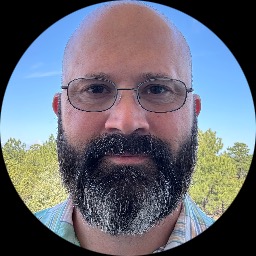
Paul Brunner is a licensed clinical social worker who focuses on helping people who feel stuck by stress, anger, trauma, anxiety, or depression. He brings 15 years of experience and a practical approach people can use right away. He spent many years working with military personnel in different roles.
That background shaped how he listens for what matters most and how he helps people make steady changes in day-to-day life.
Background and approach
He earned a Master of Social Work and holds LCSW and CSW credentials in Colorado and North Carolina. In sessions he uses clear tools from therapies such as cognitive behavioral work, dialectical skills, mindfulness, and EMDR-related methods when appropriate. He focuses on skills that reduce reactivity, improve sleep, and lower anxiety.
Conversations usually include simple, actionable steps clients can try between meetings. Paul also addresses issues like substance use, domestic violence aftermath, family of origin struggles, career strain, and compassion fatigue. He pays attention to how these problems affect everyday routines and relationships, and helps people plan concrete adjustments.
People who come to him often want straightforward guidance and practical coping strategies. He works with each person to set realistic goals and builds a plan that fits their life and priorities.
What Paul works with
Everything Paul lists, in the therapist's own terms. Anger is the reason this directory exists; the rest tells you what usually sits alongside it in Paul's practice.
- Stress, Anxiety
- Trauma and abuse
- Anger management
- Depression
- Compassion fatigue
- LGBT
- Family conflicts
- Sleeping disorders
- Self esteem
- Career difficulties
- Bipolar disorder
- ADHD
- Body image
- Communication problems
- Control issues
- Coping with natural or human-caused disaster
- Divorce and separation
- Domestic violence
- Drug and alcohol addiction
- Eating and food-related issues
- Family of origin issues
- First responder issues
- Guilt and shame
- Impulsivity
- Isolation / loneliness
- Men's issues
- Midlife crisis
- Veteran and Armed Forces Issues
- Mood disorders
- Obsessions, compulsions, and OCD
- Panic disorder and panic attacks
- Personality disorders
- Phobias
- Post-traumatic stress
- Self-harm
- Sexual assault and abuse
- Social anxiety and phobia
- Workplace issues
Approaches Paul lists
- Cognitive Behavioral Therapy (CBT)
- Dialectical Behavior Therapy (DBT)
- Eye Movement Desensitization and Reprocessing (EMDR)
- Mindfulness Therapy
- Motivational Interviewing
- Solution-Focused Therapy
- Trauma-Focused Therapy
Listing an approach is not evidence of training in it. This directory copies what each therapist names and does not check training records.
How these methods translate to online care
Paul commonly uses cognitive behavioral approaches and dialectical behavior strategies online. Cognitive behavioral therapy focuses on identifying unhelpful thoughts and testing new behaviors to reduce anxiety, depression, and reactivity. Dialectical behavior therapy emphasizes emotion regulation, distress tolerance, and interpersonal skills to help manage strong feelings and impulsivity.He also draws on EMDR-related methods when trauma memories are central and a client and therapist agree it could help. EMDR-related work aims to reduce the intensity of distressing memories and the reactions tied to them by using guided processing techniques in session.
Choosing the right approach is collaborative. He will talk with each person about their goals and try methods that match their needs, adjusting as progress is made. The therapist and client set the pace together and pick tools that fit the person's daily life.
Online sessions are offered by video call, phone, live chat, or text-based messaging to make care more flexible. Video works well for hands-on skill teaching and EMDR-related processing, phone can be easier when bandwidth is limited, live chat is good for quick check-ins, and messaging supports brief reflections between meetings. These options help people fit therapy into work, family, and other routines.
Questions people ask about Paul
What concerns does Paul commonly address?
He works with stress, anxiety, trauma and abuse, anger, depression, compassion fatigue, LGBT issues, sleep problems, self-esteem, career strain, bipolar disorder, and ADHD. He also helps with related areas such as substance use, domestic violence recovery, and communication problems.
What is his style of therapy and approach?
Sessions are practical and skills-focused, using methods like cognitive behavioral techniques, dialectical skills, mindfulness, EMDR-related work, and motivational interviewing. The emphasis is on clear steps people can practice between sessions.
How much clinical experience does he have?
He has 15 years of experience in mental health, including work with military personnel and veterans across multiple roles over that time.
What are his credentials and where is he based?
He holds LCSW and CSW credentials and is licensed in Colorado and North Carolina. His practice is based in Colorado.
Which languages are supported for sessions?
Sessions are offered in English.
Can international clients work with him?
International clients are not currently accepted.
What session formats are available for online work?
He offers video calls, phone sessions, live chat, and text-based messaging to fit different needs and schedules.
How do fees and starting therapy work?
Cost varies with location and therapist availability, and sessions use a subscription that can be canceled at any time. To begin, select the Start Therapy button, complete a short matching questionnaire, and schedule according to the therapist's availability.