Works with
- Anger
- Stress, Anxiety
- Relationship issues
- Family conflicts
- Self esteem
- Coaching
How Paul works
Practical facts
- Credentials
- LICSW, LCSW
- Licensed in
- Virginia, District of Columbia, New Jersey, Arizona
- Years in practice
- 10
- Languages
- English
- Session format
- Online, through our partner platform
About Paul
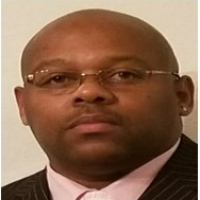
Paul Clark is a Licensed Independent Clinical Social Worker (LICSW) practicing in Virginia. He brings a direct, respectful style to sessions and focuses on real-world problems like stress, anxiety, anger, grief, addiction, and life changes. He draws on ten years of clinical experience and a background that includes long military service.
Paul keeps conversations warm and straightforward. He listens first, then helps clients set practical goals. He avoids stigmatizing labels and works to build on what already helps the person feel better.
Background and approach
His approach blends several methods to match each person’s needs. He uses acceptance and commitment ideas to help people live by their values. He also uses cognitive behavioral techniques to shift unhelpful thinking and emotionally-focused methods to strengthen important relationships.
Paul’s training includes a bachelor’s and a master’s degree in social work from Norfolk State University. He is licensed as a LICSW in the District of Columbia and as an LCSW in Arizona and brings clinical experience with veterans and active duty service members among others. Sessions emphasize clear goals and practical steps.
Paul may incorporate coaching-style tools when helpful, and he can address communication problems, forgiveness work, guilt and shame, and self-harm concerns as part of therapy. People who choose him often want straightforward feedback, practical coping strategies, and a plan they can try between sessions. He aims to empower clients and tailor sessions to their specific circumstances.
What Paul works with
Everything Paul lists, in the therapist's own terms. Anger is the reason this directory exists; the rest tells you what usually sits alongside it in Paul's practice.
- Stress, Anxiety
- Relationship issues
- Family conflicts
- Self esteem
- Coaching
- Addictions
- Grief
- Anger management
- Career difficulties
- Depression
- Coping with life changes
- Communication problems
- Forgiveness
- Guilt and shame
- Veteran and Armed Forces Issues
- Self-harm
Approaches Paul lists
- Acceptance and Commitment Therapy (ACT)
- Client-Centered Therapy
- Cognitive Behavioral Therapy (CBT)
- Emotionally-Focused Therapy (EFT)
- Existential Therapy
- Gottman Method
- Motivational Interviewing
- Narrative Therapy
- Psychodynamic Therapy
- Solution-Focused Therapy
Listing an approach is not evidence of training in it. This directory copies what each therapist names and does not check training records.
Therapeutic approaches and online options
Paul commonly draws on Acceptance and Commitment Therapy, Client-Centered Therapy, and Cognitive Behavioral Therapy in his work. Acceptance and Commitment Therapy (ACT) helps people notice unhelpful thoughts and choose actions that align with their values, which can reduce distress and improve day-to-day choices. Client-Centered Therapy focuses on a respectful, nonjudgmental relationship where the person sets the pace and direction of change. Cognitive Behavioral Therapy (CBT) looks at how thoughts and behaviors influence mood and teaches concrete skills to change patterns that cause problems.Finding the right approach is a collaborative process. Paul will discuss options with each person and pick strategies that match their goals, preferences, and circumstances. He adapts methods over time, checking in about what is working and adjusting the plan together.
Online sessions are offered via video calls, phone sessions, live chat, or text-based messaging to provide flexibility. Video sessions allow face-to-face interaction for skills work and emotional processing. Phone sessions can fit a shorter break or situations with limited bandwidth. Live chat and text messaging can be useful for brief check-ins, coaching-style support, or when writing feels easier than speaking. These formats make it simpler to fit therapy into a busy schedule and access licensed professionals from different locations.
Questions people ask about Paul
What concerns can Paul help with?
He helps people address stress, anxiety, depression, anger, addictions, grief, self-esteem, career strain, and coping with life changes. He also works on communication problems, forgiveness, guilt and shame, and veteran issues.
What is his general therapy style?
Sessions are warm, interactive, and straightforward. He listens closely, helps set practical goals, and tailors the work to each person’s needs.
How much clinical experience does he have?
He has ten years of clinical experience and a background that includes work with active duty military and veterans.
What credentials and location are listed?
He holds LICSW and LCSW credentials, listed as DC LICSW and AZ LCSW, and practices from Virginia.
Which languages are supported and can international clients connect?
Sessions are offered in English and international clients are accepted.
What session formats are available?
He offers video calls, phone sessions, live chat, and text-based messaging to suit different needs and schedules.
How is cost handled for sessions?
Cost varies with location and therapist availability; sessions use a subscription model that can be canceled at any time.
How do I begin working with him?
To start, select the Start Therapy button, complete a short matching questionnaire, and schedule according to therapist availability.