Works with
- Anger
- Family conflicts
- Anger management
- Self esteem
- Coping with life changes
- Coaching
Practical facts
- Credentials
- LMHC
- Licensed in
- New York
- Years in practice
- 25
- Languages
- English
- Session format
- Online, through our partner platform
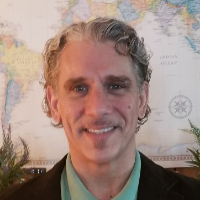
About Paul
Paul Pasternak is a licensed mental health counselor (LMHC) based in New York with 25 years of clinical experience. He helps people manage anger, anxiety, depression, stress, and addiction. He also supports those facing relationship strain, parenting challenges, grief, and major life changes.
Paul favors a client-centered style. He listens first and helps each person name the changes they want. He then works with them to build a clear, practical plan that targets those goals.
Background and approach
Motivational Interviewing and Cognitive Behavioral Therapy, or CBT, are two methods he commonly uses. Sessions focus on small, achievable steps that reduce impulsive reactions and improve coping. Progress is tracked and plans are adjusted as needed.
He draws on experience from many settings to handle complex situations. That background helps when people are dealing with addiction, trauma, caregiving stress, or the effects of aging. He aims to keep the work straightforward and actionable.
Paul emphasizes a respectful, hopeful approach. He looks for each person's strengths and builds on them. His goal is to help people develop skills that make daily life calmer and more manageable.
What Paul works with
Everything Paul lists, in the therapist's own terms. Anger is the reason this directory exists; the rest tells you what usually sits alongside it in Paul's practice.
- Family conflicts
- Anger management
- Self esteem
- Coping with life changes
- Coaching
- Stress, Anxiety
- Addictions
- Relationship issues
- Trauma and abuse
- Grief
- Intimacy-related issues
- Parenting issues
- Career difficulties
- Depression
- Aging and geriatric issues
- Caregiver issues and stress
- Control issues
- Coping with natural or human-caused disaster
- Disruptive Mood Dysregulation Disorder (DMDD)
- Divorce and separation
- Drug and alcohol addiction
- Emptiness
- Family problems
- Fatherhood issues
- Forgiveness
- Guilt and shame
- Impulsivity
- Infidelity
- Isolation / loneliness
- Jealousy
- Men's issues
- Midlife crisis
- Money and financial issues
- Multicultural concerns
- Post-traumatic stress
- Seasonal Affective Disorder (SAD)
- Social anxiety and phobia
- Workplace issues
Approaches Paul lists
Listing an approach is not evidence of training in it. This directory copies what each therapist names and does not check training records.
How Paul’s approaches work in online therapy
Client-Centered Therapy places the client at the center of the work. The therapist listens closely and follows the client’s lead to identify what matters most and where to start. This approach helps people who need to clarify goals and feel heard.Cognitive Behavioral Therapy, or CBT, focuses on specific thoughts and behaviors that keep problems going. In short, sessions break problems into small parts, test unhelpful thinking, and practice new responses. CBT is useful for anger, anxiety, depression, and stress-related concerns.
Motivational Interviewing helps people find their own motivation to change. It uses guided conversation to resolve mixed feelings and build commitment to action. This method often pairs well with CBT when someone is ready to make concrete changes.
Choosing the right approach is a collaborative process. The therapist will discuss options, try techniques, and adjust plans based on how the client responds. People often blend methods to match their goals and preferences.
Online therapy offers practical flexibility. Video calls allow face-to-face conversation and full interaction. Phone sessions can be a good fit when bandwidth is low or a shorter check-in is needed. Live chat and text-based messaging support ongoing coaching, quick reflections, or brief updates between longer appointments. These options make it easier to fit therapy into busy schedules and to maintain steady progress.
Questions people ask about Paul
What concerns does Paul commonly address?
He works with anger, anxiety, depression, stress, addiction, relationship and parenting concerns, plus grief and life changes.
How would you describe his therapeutic style?
He uses a client-centered approach that starts with listening and then builds a plan guided by the client's goals.
What is his professional background?
Paul has 25 years of experience working in varied settings with individuals facing mental health and life challenges.
Where is he licensed and based?
He is a licensed mental health counselor, LMHC, practicing in New York.
Which languages are supported in sessions?
Sessions are offered in English.
What session formats are available?
Sessions can be conducted by video calls, phone sessions, live chat, or text-based messaging.
How are costs and payments handled?
Cost varies with location and therapist availability; sessions use a subscription that can be canceled at any time.
How do I begin working with him?
Select the Start Therapy button, complete a short matching questionnaire, and schedule according to therapist availability.