Works with
- Anger
- Stress, Anxiety
- Relationship issues
- Grief
- Self esteem
- Depression
How Paula works
Practical facts
- Credentials
- LCSW
- Licensed in
- Virginia
- Years in practice
- 20
- Languages
- English
- Session format
- Online, through our partner platform
About Paula
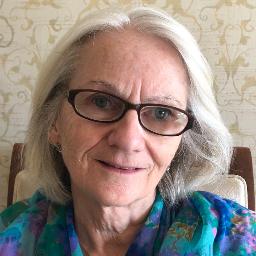
Paula Donovan is a licensed clinical social worker (LCSW) with two decades of experience. She brings a warm, conversational style to sessions and values a real, trusting connection. People notice her easy humor and direct listening right away.
She believes clients are the experts on their lives and works alongside them to make steady changes. She uses simple, practical methods from client-centered therapy and cognitive behavioral therapy to help with stress, anxiety, anger, depression, grief, and relationship strain.
Background and approach
Sessions focus on what is happening now and on small shifts that ease day-to-day pressure. Paula blends skills training, story work, and motivational interviewing to strengthen coping and decision-making. Paula draws on 20 years of clinical practice plus a broad life history that includes international experience.
That background informs her work with multicultural concerns, caregiver stress, and issues that come with aging. She listens for patterns that keep people stuck and helps name concrete next steps. When grief, trauma, or major life changes drain energy, she helps rebuild routine, safety, and purpose.
For people dealing with addictions, bipolar mood swings, or eating and sleeping problems, sessions aim to restore steadiness and hope. Parenting strain, career transitions, and intimacy problems are addressed with practical tools and clear goals. Paula offers a collaborative, down-to-earth approach.
She encourages small experiments between sessions and checks in on what works. Her practice is based in Virginia and sessions are conducted in English.
What Paula works with
Everything Paula lists, in the therapist's own terms. Anger is the reason this directory exists; the rest tells you what usually sits alongside it in Paula's practice.
- Stress, Anxiety
- Relationship issues
- Grief
- Self esteem
- Depression
- Addictions
- LGBT
- Family conflicts
- Trauma and abuse
- Intimacy-related issues
- Eating disorders
- Sleeping disorders
- Parenting issues
- Anger management
- Career difficulties
- Bipolar disorder
- Coping with life changes
- Coaching
- Compassion fatigue
- Aging and geriatric issues
- Caregiver issues and stress
- Co-morbidity
- Codependency
- Divorce and separation
- Domestic violence
- Fertility issues
- Guilt and shame
- Hospice and end-of-life counseling
- Infidelity
- Isolation / loneliness
- Men's issues
- Midlife crisis
- Mood disorders
- Multicultural concerns
- Panic disorder and panic attacks
- Postpartum depression
- Post-traumatic stress
- Seasonal Affective Disorder (SAD)
- Sexual assault and abuse
- Sexual dysfunction
- Sexuality
- Social anxiety and phobia
- Somatization
- Women's issues
Approaches Paula lists
- Client-Centered Therapy
- Cognitive Behavioral Therapy (CBT)
- Dialectical Behavior Therapy (DBT)
- Mindfulness Therapy
- Motivational Interviewing
- Narrative Therapy
- Psychodynamic Therapy
- Somatic Therapy
- Trauma-Focused Therapy
Listing an approach is not evidence of training in it. This directory copies what each therapist names and does not check training records.
How Paula’s approaches translate to online therapy
Paula commonly uses client-centered therapy and cognitive behavioral therapy in online sessions. Client-centered therapy focuses on listening, empathy, and building trust so clients can explore what matters most. Cognitive behavioral therapy looks at thoughts and behaviors together and teaches concrete skills to manage anxiety, anger, and low mood.Choosing the right approach is a collaborative process. Paula works with each person to pick methods that match their goals, needs, and comfort with online tools. She checks in regularly and adjusts techniques as progress is made so the plan stays useful and practical.
Online sessions are offered by video calls, phone, live chat, or text-based messaging to make therapy flexible. Video is useful for full conversation and visual cues. Phone works well when bandwidth is limited or for a focused check-in. Live chat and text messaging suit shorter exchanges, quick skill coaching, or when writing helps organize thoughts. These options help people fit therapy into busy schedules and maintain continuity across life changes.
Questions people ask about Paula
What kinds of concerns can Paula help with?
She works with stress, anxiety, depression, anger, grief, relationship issues, and many life transitions listed in her specialties.
What is her therapeutic style like?
Paula uses a client-centered approach with practical techniques from CBT and DBT when helpful, plus motivational interviewing and mindfulness practices.
How much clinical experience does she have?
She has 20 years of experience as a licensed clinical social worker and brings both professional and international life experience to her work.
Where is Paula licensed and located?
She is a Virginia LCSW and practices in Virginia.
Which languages are sessions offered in?
Sessions are offered in English.
Can international clients work with her?
International clients are not accepted at this time.
What session formats are available?
She offers video calls, phone sessions, live chat, and text-based messaging to fit different needs and schedules.
How do fees and scheduling work?
Cost varies with location and therapist availability and sessions use a subscription that can be canceled at any time; start by using the site process to match and schedule.