Works with
- Anger
- Stress, Anxiety
- Family conflicts
- Trauma and abuse
- Grief
- Coping with life changes
How Rachel works
Practical facts
- Credentials
- LCSW
- Licensed in
- Idaho
- Years in practice
- 27
- Languages
- English
- Session format
- Online, through our partner platform
About Rachel
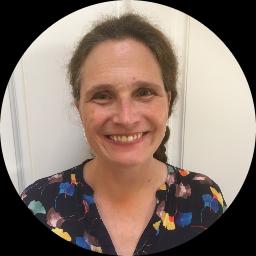
Rachel Webster is an LCSW with 27 years of experience helping people manage stress, anxiety, anger, grief, and major life changes. She offers steady support for trauma, relationship and intimacy concerns, parenting stress, and struggles with mood such as depression and bipolar disorder. She aims to create a calm, nonjudgmental space where people can speak honestly about hard feelings.
Rachel listens closely and helps clients sort through what matters most to them.
Background and approach
The first conversations focus on immediate needs and practical next steps. Her work often blends straightforward problem solving with attention to how early relationships shape current reactions. That means looking at patterns that drive anger or anxiety and testing small changes in thinking or behavior.
Clients often leave sessions with concrete strategies to try between visits. Rachel also uses motivational techniques to help people find the reasons behind change and to build on their strengths. Solution-focused ideas keep sessions practical and goal oriented, especially when someone needs a clear plan to move forward.
She has experience across many life challenges, including adoption and foster care, aging and geriatric issues, cancer and hospice concerns, and the complex needs that come with co-morbid conditions. Rachel works with LGBT clients, veterans and those facing immigration or HIV/AIDS related issues. Sessions are offered in English and take place via video, phone, live chat, or text-based messaging.
She practices in Idaho as a licensed clinical social worker and supports people who want steady, practical help making change.
What Rachel works with
Everything Rachel lists, in the therapist's own terms. Anger is the reason this directory exists; the rest tells you what usually sits alongside it in Rachel's practice.
- Stress, Anxiety
- Family conflicts
- Trauma and abuse
- Grief
- Coping with life changes
- Addictions
- LGBT
- Relationship issues
- Intimacy-related issues
- Parenting issues
- Anger management
- Self esteem
- Career difficulties
- Bipolar disorder
- Depression
- Adoption and foster care
- Aging and geriatric issues
- Blended family issues
- Cancer
- Co-morbidity
- Codependency
- HIV / AIDS
- Hospice and end-of-life counseling
- Immigration issues
- Intellectual disability
- Veteran and Armed Forces Issues
- Postpartum depression
- Seasonal Affective Disorder (SAD)
- Young adult issues
Approaches Rachel lists
- Attachment-Based Therapy
- Client-Centered Therapy
- Cognitive Behavioral Therapy (CBT)
- Motivational Interviewing
- Solution-Focused Therapy
Listing an approach is not evidence of training in it. This directory copies what each therapist names and does not check training records.
Approaches that translate well to online care
Attachment-Based Therapy looks at how early relationships shape current reactions and close connections. Online sessions can help people trace those patterns and practice new ways of relating to others. Cognitive Behavioral Therapy, or CBT, focuses on identifying unhelpful thoughts and testing small behavior changes. It is useful for managing anxiety, anger, and depression by giving clear steps to try between sessions.Finding the right approach is part of the work together. The therapist will listen to your goals and preferences, then recommend strategies that fit your situation. Clients often try a mix of approaches and adjust as they learn what helps most.
Online therapy offers practical benefits for people with busy lives. Video calls let you have face-to-face conversations when travel is difficult. Phone sessions use less bandwidth and can be easier during a short break. Live chat or text-based messaging can be helpful for quick check-ins, scheduling flexibility, or when writing out thoughts feels easier than speaking. These formats make it simpler to get regular support and carry new skills into daily life.
Questions people ask about Rachel
What concerns does Rachel commonly address?
She helps people with stress, anxiety, anger, grief, trauma, relationship and intimacy issues, parenting concerns, addictions, and mood conditions such as depression and bipolar disorder.
How would you describe her therapeutic style?
Her approach is warm and down-to-earth. She combines listening with practical steps so sessions feel focused and useful.
What is her clinical background?
Rachel has 27 years of professional experience working in behavioral health and social services.
What credentials does she hold and where is she based?
She is an LCSW - Licensed Clinical Social Worker - practicing in Idaho.
Which languages are supported for sessions?
Sessions are offered in English.
What session formats are available for online work?
Rachel meets with clients by video calls, phone sessions, live chat, or text-based messaging.
How does billing and cost work?
Cost varies with location and therapist arrangement; sessions use a subscription model that can be canceled at any time.
How do I begin working with her?
Choose the Start Therapy button, complete a short matching questionnaire, and schedule sessions according to therapist availability.