Works with
How Ramona works
Practical facts
- Credentials
- LPC
- Licensed in
- Texas
- Years in practice
- 30
- Languages
- English
- Session format
- Online, through our partner platform
About Ramona
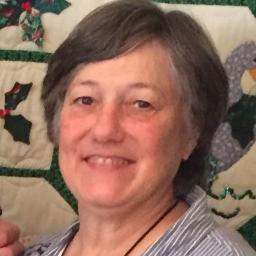
Ramona Leonards is an LPC with three decades of experience in community mental health in Texas. She brings a warm, interactive approach and focuses on the person, not just a label. Many people come to her feeling overwhelmed by stress, anger, grief, or changes in life.
Ramona has helped people across a wide range of concerns including anxiety, depression, trauma and abuse, relationship strain, parenting challenges, and issues related to gender identity.
Background and approach
She has worked with clients on the autism spectrum as they move toward adulthood and independence. Her background includes nonprofit community agency settings where she supported under-served populations. Her style blends client-centered work with practical tools from cognitive behavioral therapy and emotionally-focused approaches.
She also uses mindfulness and solution-focused ideas to help people manage upsetting emotions and build coping habits. Sessions aim to be informal and conversational, with a focus on skills you can use between visits. Ramona often helps people dealing with anger by looking at triggers, teaching ways to calm the body, and practicing different responses.
She also works with mood disorders, grief, compassion fatigue, and issues like social anxiety and self-esteem. For those facing post-traumatic stress or sexual assault and abuse, she offers steady, paced support. Clients can expect a respectful, compassionate partner who helps set practical goals.
Ramona tailors the plan to each person’s needs and priorities. She helps people take small steps toward clearer thinking, calmer reactions, and stronger coping overall.
What Ramona works with
Everything Ramona lists, in the therapist's own terms. Anger is the reason this directory exists; the rest tells you what usually sits alongside it in Ramona's practice.
- Stress, Anxiety
- LGBT
- Trauma and abuse
- Grief
- Depression
- Relationship issues
- Parenting issues
- Anger management
- Self esteem
- Bipolar disorder
- Coping with life changes
- Compassion fatigue
- Autism and Asperger Syndrome
- Coping with natural or human-caused disaster
- Family of origin issues
- Forgiveness
- Gender dysphoria
- Hospice and end-of-life counseling
- Midlife crisis
- Mood disorders
- Paranoia
- Post-traumatic stress
- Seasonal Affective Disorder (SAD)
- Self-harm
- Sexual assault and abuse
- Social anxiety and phobia
- Young adult issues
Approaches Ramona lists
- Client-Centered Therapy
- Cognitive Behavioral Therapy (CBT)
- Emotionally-Focused Therapy (EFT)
- Mindfulness Therapy
- Solution-Focused Therapy
Listing an approach is not evidence of training in it. This directory copies what each therapist names and does not check training records.
Approaches that translate to online care
Client-centered therapy focuses on listening and responding to each person's experience with respect and empathy. It helps people feel heard and guides the conversation toward goals that matter to them. Cognitive behavioral therapy, or CBT, looks at how thoughts, feelings, and behaviors interact and teaches practical skills to change unhelpful patterns; it is useful for anxiety, depression, anger, and mood issues. Emotionally-focused therapy helps people identify and work with core emotions and their patterns, which can improve how someone responds in relationships and during intense feelings.Finding the right mix of approaches is part of the work. The therapist will collaborate with the client to choose techniques that match needs, goals, and personal style. That might mean focusing on CBT skills one week and using mindfulness or emotionally-focused tools the next. The plan is adjusted together as progress is made.
Online sessions using video calls, phone sessions, live chat, or text-based messaging make it easier to fit therapy into a busy life. Video allows face-to-face conversation and skill demonstrations. Phone sessions can be a lower-bandwidth option and easier to schedule during a break. Live chat and text messaging work well for shorter check-ins, journaling support, or steady guidance between longer sessions. These formats increase flexibility and help people try therapy in ways that fit their routine.
Questions people ask about Ramona
What concerns does Ramona commonly address?
She works with stress, anxiety, anger, depression, grief, trauma and abuse, relationship and parenting concerns, LGBT and gender dysphoria issues, and related mood and coping challenges.
What is her therapeutic style like?
Her style is warm and interactive, focusing on the person rather than a label and combining client-centered work with CBT, emotionally-focused, mindfulness, and solution-focused ideas.
How much clinical experience does she have?
She has worked in community mental health for 30 years, often in nonprofit settings supporting under-served populations.
What credentials and region are associated with this therapist?
She holds an LPC credential and practices in Texas.
Which languages are supported and can international clients connect?
Sessions are offered in English and international clients are not currently accepted.
What session formats are offered?
Sessions can take place via video calls, phone sessions, live chat, or text-based messaging.
How is cost handled for sessions?
Cost varies with location and therapist availability; sessions use a subscription that can be canceled at any time.
How do I begin working with this therapist?
Choose the Start Therapy button, complete a short matching questionnaire, and schedule according to the therapist's availability.