Works with
How Raylynn works
Practical facts
- Credentials
- LCSW
- Licensed in
- Utah
- Years in practice
- 9
- Languages
- English
- Session format
- Online, through our partner platform
About Raylynn
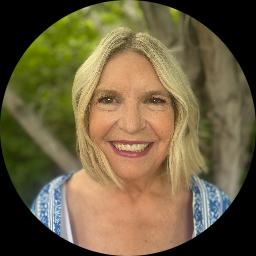
Raylynn Campbell is a licensed clinical social worker with nine years of practice. She brings a calm, family-centered sensibility to sessions and draws on life experience as a mother and grandmother to connect with people. Raylynn practices from Utah and offers therapy in English for local and international clients.
Raylynn aims to make talking about hard things feel manageable. She helps people facing stress, anxiety, depression, grief, anger, parenting strains, and major life changes.
Background and approach
Her work also covers concerns such as ADHD, self-esteem, relationship and intimacy issues, and coping with chronic illness or caregiving demands. Her approach blends several practical, skills-focused methods. Raylynn uses acceptance and commitment ideas to help people clarify values and take small steps forward.
She draws on cognitive behavioral techniques to spot unhelpful thinking and build healthier habits. Attachment-based ideas guide conversations about connection and trust in relationships. Sessions move at the client’s pace and emphasize strengths.
Raylynn uses client-centered listening to help people feel heard and understood. She also includes strategies from dialectical behavior therapy when people need tools for emotion regulation and distress tolerance. Outside of work, family time and outdoor activities keep her grounded.
That perspective shapes a warm, steady style in therapy. People who want practical skills, gentle exploration of feelings, and steady support often find her approach helpful.
What Raylynn works with
Everything Raylynn lists, in the therapist's own terms. Anger is the reason this directory exists; the rest tells you what usually sits alongside it in Raylynn's practice.
- Stress, Anxiety
- Trauma and abuse
- Self esteem
- Depression
- ADHD
- LGBT
- Relationship issues
- Family conflicts
- Grief
- Intimacy-related issues
- Sleeping disorders
- Parenting issues
- Anger management
- Career difficulties
- Bipolar disorder
- Coping with life changes
- Coaching
- Compassion fatigue
- Abandonment
- Adoption and foster care
- Aging and geriatric issues
- Antisocial personality
- Attachment issues
- Autism and Asperger Syndrome
- Avoidant personality
- Blended family issues
- Body image
- Cancer
- Caregiver issues and stress
- Chronic pain, illness, and disability
- Co-morbidity
- Codependency
- Commitment issues
- Communication problems
- Control issues
- Coping with natural or human-caused disaster
- Dependent personality
- Disruptive Mood Dysregulation Disorder (DMDD)
- Dissociation
- Divorce and separation
- Domestic violence
- Drug and alcohol addiction
- Eating and food-related issues
- Emptiness
- Family of origin issues
- Family problems
- Fatherhood issues
- Fertility issues
- First responder issues
- Forgiveness
- Gender dysphoria
- Guilt and shame
- Hearing impaired
- HIV / AIDS
- Hoarding
- Hospice and end-of-life counseling
- Immigration issues
- Impulsivity
- Infidelity
- Intellectual disability
- Isolation / loneliness
- Jealousy
- Life purpose
- Midlife crisis
- Money and financial issues
- Mood disorders
- Multicultural concerns
- Narcissism
- Obsessions, compulsions, and OCD
- Panic disorder and panic attacks
- Paranoia
- Personality disorders
- Polyamory / non-monogamous relationships
- Postpartum depression
- Post-traumatic stress
- Pregnancy and childbirth
- Prejudice and discrimination
- Process addiction (porn, exercise, gambling)
- Seasonal Affective Disorder (SAD)
- Self-harm
- Self-love
- Sex addiction
- Sexual assault and abuse
- Sexuality
- Social anxiety and phobia
- Somatization
- Traumatic brain injury
- Women's issues
- Workplace issues
- Young adult issues
Approaches Raylynn lists
- Acceptance and Commitment Therapy (ACT)
- Attachment-Based Therapy
- Client-Centered Therapy
- Cognitive Behavioral Therapy (CBT)
- Dialectical Behavior Therapy (DBT)
- Emotionally-Focused Therapy (EFT)
- Existential Therapy
- Mindfulness Therapy
- Motivational Interviewing
- Narrative Therapy
- Psychodynamic Therapy
- Solution-Focused Therapy
- Somatic Therapy
- Trauma-Focused Therapy
- Internal Family Systems
Listing an approach is not evidence of training in it. This directory copies what each therapist names and does not check training records.
Therapeutic approaches and online care that fit your life
Acceptance and Commitment Therapy (ACT) helps people clarify their values and take small, meaningful steps even when feelings are difficult. It’s useful for stress, anxiety, and getting unstuck from old patterns. Cognitive Behavioral Therapy (CBT) focuses on spotting unhelpful thoughts and trying new behaviors to reduce symptoms like anxiety and depression. It provides concrete tools people can practice between sessions.Finding the right approach is a collaborative process. The therapist will work together with the client to choose or combine methods based on goals, preferences, and what feels helpful in early sessions. Adjustments are made as needed so the plan stays practical and doable.
Online sessions offer several practical benefits. Video calls allow face-to-face conversation when meeting in person is not possible. Phone sessions can be lighter on bandwidth and work well for brief check-ins. Live chat and text-based messaging give flexible ways to check in between or instead of calls when scheduling is tight or someone prefers typing. These options make it easier to fit therapy into a busy life and to keep continuity across locations.
Questions people ask about Raylynn
What concerns does Raylynn commonly help with?
She works with stress, anxiety, depression, grief, anger, relationship and intimacy issues, parenting challenges, ADHD, self-esteem struggles, and coping with life changes and chronic conditions.
What is her therapeutic style like?
Her style is warm and practical. Sessions focus on listening, identifying strengths, and teaching skills to manage emotions and everyday problems.
How much clinical experience does she have?
Raylynn has nine years of experience as a clinician and brings that background to work with a broad range of concerns and life stages.
What are her credentials and where is she based?
She is a licensed clinical social worker, UT LCSW, practicing from Utah.
Can sessions be held in languages other than English?
Sessions are offered in English and international clients are accepted.
Which session formats does she offer?
Raylynn offers video calls, phone sessions, live chat, and text-based messaging as ways to connect.
How is cost handled for sessions?
Cost varies with location and therapist availability; sessions use a subscription that can be canceled at any time.
What are the first steps to begin working together?
Start by selecting the Start Therapy button, completing a short matching questionnaire, and scheduling a session according to therapist availability.