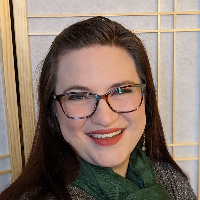
Rebecca Preston, LMHC
Compassionate, practical care for anger and addiction struggles
Book with RebeccaWorks with
- Anger
- Stress, Anxiety
- Addictions
- Trauma and abuse
- Anger management
- Coping with life changes
How Rebecca works
Practical facts
- Credentials
- LMHC
- Licensed in
- New York
- Years in practice
- 8
- Languages
- English
- Session format
- Online, through our partner platform
About Rebecca
Rebecca Preston is a Licensed Mental Health Counselor (LMHC) based in New York. She has eight years of clinical experience helping people who are managing addiction, mood struggles, and the fallout of trauma. Her manner is warm and often playful, which many clients find makes hard conversations easier to face.
She works with people dealing with stress, anxiety, anger, depression, bipolar disorder, and sleep problems. Rebecca also supports those coping with relationship strain, grief, caregiver stress, and the complicated feelings that come with chronic illness.
Background and approach
Her practice includes attention to ADHD, attachment worries, and patterns like codependency and avoidant behavior. Rebecca draws on client-centered methods and mindfulness in session. She uses Cognitive Behavioral Therapy tools and solution-focused techniques to help people identify unhelpful thoughts and build manageable steps forward.
Attachment-based ideas guide conversations about early relationships and how they shape current trust and closeness. Sessions focus on practical tools and steady support. Rebecca aims to help people build self-compassion, stronger communication, and clearer routines for sleep and stress.
She frames recovery as an ongoing process and positions herself as a collaborator who walks alongside each person. Her work is suited to people who want a down-to-earth therapist who mixes empathy with concrete strategies. Rebecca offers video calls, phone sessions, live chat, and text-based messaging to fit different needs and schedules.
What Rebecca works with
Everything Rebecca lists, in the therapist's own terms. Anger is the reason this directory exists; the rest tells you what usually sits alongside it in Rebecca's practice.
- Stress, Anxiety
- Addictions
- Trauma and abuse
- Anger management
- Coping with life changes
- LGBT
- Relationship issues
- Family conflicts
- Grief
- Sleeping disorders
- Self esteem
- Bipolar disorder
- Depression
- Compassion fatigue
- ADHD
- Abandonment
- Attachment issues
- Autism and Asperger Syndrome
- Avoidant personality
- Body image
- Caregiver issues and stress
- Chronic pain, illness, and disability
- Co-morbidity
- Codependency
- Commitment issues
- Communication problems
- Control issues
- Coping with natural or human-caused disaster
- Dependent personality
- Dissociation
- Domestic violence
- Drug and alcohol addiction
- Eating and food-related issues
- Emptiness
- Family of origin issues
- Family problems
- Guilt and shame
- Impulsivity
- Isolation / loneliness
- Life purpose
- Mood disorders
- Multicultural concerns
- Obsessions, compulsions, and OCD
- Panic disorder and panic attacks
- Personality disorders
- Phobias
- Post-traumatic stress
- Process addiction (porn, exercise, gambling)
- Seasonal Affective Disorder (SAD)
- Self-harm
- Self-love
- Sexual assault and abuse
- Smoking / vaping cessation
- Social anxiety and phobia
- Somatization
- Traumatic brain injury
- Trichotillomania
- Women's issues
- Workplace issues
- Young adult issues
Approaches Rebecca lists
- Attachment-Based Therapy
- Client-Centered Therapy
- Cognitive Behavioral Therapy (CBT)
- Mindfulness Therapy
- Solution-Focused Therapy
- Trauma-Focused Therapy
Listing an approach is not evidence of training in it. This directory copies what each therapist names and does not check training records.
Practical approaches and online care
Rebecca uses Attachment-Based Therapy to look at how early relationships influence current trust and connection. This approach helps when fear of abandonment, attachment issues, or trouble forming close bonds are getting in the way of relationships.She also uses Cognitive Behavioral Therapy (CBT) to help people notice and change unhelpful thought patterns. CBT is useful for managing anxiety, low mood, anger, and for building step-by-step habits that support better sleep and mood regulation.
Finding the right approach is a collaborative process. Rebecca talks with each person about goals and preferences, then blends methods to fit the issue at hand. She aims to match tools to your needs rather than applying a single method to everyone.
Online therapy options include video calls, phone sessions, live chat, and text-based messaging. Video allows a face-to-face feel, phone can be a simpler option when bandwidth is limited, live chat works for shorter check-ins, and messaging supports ongoing reflection between sessions. These formats make it easier to fit therapy into work, caregiving schedules, or busy days while keeping the focus on practical progress.
Questions people ask about Rebecca
What kinds of concerns does Rebecca address?
She helps people with stress, anxiety, addictions, trauma and abuse, anger, and coping with life changes, along with mood disorders like depression and bipolar.
How would you describe her therapy style?
Her style is warm, empathetic, and occasionally playful. Sessions blend client-centered listening with practical tools and mindfulness exercises.
What is her clinical experience?
She has eight years of clinical experience working mainly with people affected by substance use and complex trauma, plus mood and personality concerns.
Where is she licensed and based?
She is a Licensed Mental Health Counselor (LMHC) licensed in New York and practices from that state.
Does she offer sessions in other languages or internationally?
Sessions are offered in English. She is not currently accepting international clients.
What session formats are available?
Rebecca offers video calls, phone sessions, live chat, and text-based messaging to fit different preferences and schedules.
How does pricing work for sessions?
Cost varies with location and therapist availability; sessions use a subscription model that can be canceled at any time.
How do I get started with her?
Choose the Start Therapy button, complete a short matching questionnaire, and schedule sessions according to the therapist's availability.