Works with
How Robin works
Practical facts
- Credentials
- LMSW, LICSW
- Licensed in
- Michigan, Massachusetts
- Years in practice
- 8
- Languages
- English
- Session format
- Online, through our partner platform
About Robin
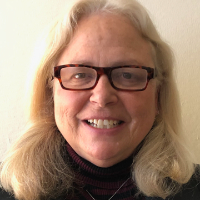
Robin Johnson is a licensed social worker who helps people who feel stuck, overwhelmed, or out of control. She uses a direct, straightforward style while keeping sessions warm and respectful. Robin encourages clients to lead the work while she offers guidance and practical skills.
She draws on Client-Centered Therapy to follow each person’s goals and pace. Cognitive Behavioral Therapy (CBT) and Dialectical Behavior Therapy (DBT) tools are used to teach emotion regulation, coping skills, and healthier ways to react.
Background and approach
Those techniques are often used with people managing anger, anxiety, mood changes, and addiction concerns. Robin blends talk therapy with practical exercises like grounding, anchoring, and relaxation techniques. She also brings in motivational interviewing when people want help with behavior change.
Sessions may include work on boundaries, communication skills, and handling major life transitions. Her approach is plainspoken: she is honest, sometimes confrontational, and often uses humor alongside empathy. Clients can expect clear feedback and step-by-step strategies rather than vague advice.
This helps people turn insights into everyday habits. Robin holds LMSW and LICSW credentials and has eight years of documented experience. She works with adults on a range of issues including trauma, grief, self-esteem, ADHD, bipolar concerns, and parenting strain.
Sessions are offered in English and delivered through multiple online formats to fit different schedules.
What Robin works with
Everything Robin lists, in the therapist's own terms. Anger is the reason this directory exists; the rest tells you what usually sits alongside it in Robin's practice.
- Stress, Anxiety
- Trauma and abuse
- Grief
- Self esteem
- Depression
- Addictions
- LGBT
- Relationship issues
- Family conflicts
- Parenting issues
- Anger management
- Bipolar disorder
- Coping with life changes
- Coaching
- ADHD
- Adoption and foster care
- Aging and geriatric issues
- Antisocial personality
- Attachment issues
- Codependency
- Commitment issues
- Communication problems
- Control issues
- Domestic violence
- Family problems
- Guilt and shame
- Mood disorders
- Obsessions, compulsions, and OCD
- Panic disorder and panic attacks
- Personality disorders
- Post-traumatic stress
- Seasonal Affective Disorder (SAD)
- Self-harm
- Sexual assault and abuse
- Social anxiety and phobia
- Women's issues
Approaches Robin lists
- Client-Centered Therapy
- Cognitive Behavioral Therapy (CBT)
- Dialectical Behavior Therapy (DBT)
- Mindfulness Therapy
- Motivational Interviewing
- Solution-Focused Therapy
- Trauma-Focused Therapy
Listing an approach is not evidence of training in it. This directory copies what each therapist names and does not check training records.
How Robin’s methods work online
Client-Centered Therapy focuses on listening and following the person’s lead. The therapist reflects what matters most and helps set goals that feel doable. This approach supports people who need a steady, respectful space to sort out feelings and decisions.Cognitive Behavioral Therapy, or CBT, looks at how thoughts, feelings, and actions connect. Sessions often include simple exercises to test unhelpful thoughts and build new habits. CBT is useful for anxiety, depression, anger, and many mood concerns.
Dialectical Behavior Therapy, or DBT, offers concrete emotion regulation and distress-tolerance skills. It teaches step-by-step practices for calming intense feelings and improving relationships. DBT skills are often paired with CBT work to make change more manageable.
Finding the right mix of approaches is part of the early work. The therapist will talk with each person about their goals and preferences and then suggest skills and strategies to try. That planning is collaborative and can change as progress is made.
Online sessions are offered as video calls, phone sessions, live chat, or text-based messaging to fit different needs. Video calls let people use face-to-face conversation and visual cues. Phone sessions work well when bandwidth is limited or a shorter check-in is needed. Live chat and text are helpful for brief updates, skill practice, or when writing feels easier than speaking. These options make it easier to keep therapy consistent around work, caregiving, and daily life.
Questions people ask about Robin
What kinds of concerns does Robin address?
She helps people with stress, anxiety, anger, depression, trauma, addictions, relationship issues, and many mood or personality concerns.
What is her therapeutic style like?
Her style is direct and transparent with warmth and occasional confrontation. She mixes talk therapy with hands-on skills like grounding and emotion regulation.
How much clinical experience does she have?
Robin has eight years of documented experience as a licensed social worker and has worked across a wide range of mental health concerns.
What credentials and region are listed?
She holds LMSW and LICSW credentials and practices in Michigan.
Which languages are supported for sessions?
Sessions are offered in English.
What session formats are available?
Sessions can be scheduled as video calls, phone sessions, live chat, or text-based messaging.
How are fees and billing handled?
Cost varies with location and therapist availability; sessions use a subscription that can be canceled at any time.
What steps start the process of working with her?
Begin by selecting the Start Therapy button, complete a short matching questionnaire, and then schedule according to therapist availability.