Works with
How Sara works
Practical facts
- Credentials
- LMHC
- Licensed in
- Massachusetts
- Years in practice
- 8
- Languages
- English
- Session format
- Online, through our partner platform
About Sara
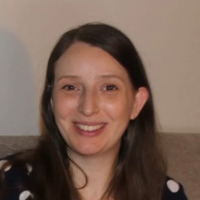
Sara Lopes is a Licensed Mental Health Counselor (LMHC) with eight years of clinical experience. She uses a calm, person-focused style to help people manage stress, anger, anxiety, addictions, and related struggles. Sara aims to meet each person where they are and move at a pace that feels comfortable.
She brings experience supporting people facing housing instability and serious mental health and substance use challenges. That background informs practical steps and problem-solving in sessions.
Background and approach
Sara draws on Client-Centered Therapy, Cognitive Behavioral Therapy (CBT), Dialectical Behavior Therapy (DBT), Mindfulness Therapy, Motivational Interviewing, and Narrative Therapy when they fit a person's goals. Sessions focus on clear, doable strategies. That might include identifying patterns that feed anger and anxiety, learning new coping skills, and practicing small, realistic behavior changes.
Sara also helps people work through grief, relationship and intimacy issues, parenting strain, and the effects of trauma and abuse. Her work includes support around smoking and vaping cessation, recovery from sexual assault, domestic violence, and drug or alcohol addiction. She also addresses first responder issues, panic attacks, seasonal mood changes, and concerns about self-esteem, guilt, or shame.
Sara offers online contact from Massachusetts and works in English. For new clients she is available via messaging and live chat sessions; other session types are noted separately in the profile. She aims to help people feel relief and build confidence in small, sustained steps.
What Sara works with
Everything Sara lists, in the therapist's own terms. Anger is the reason this directory exists; the rest tells you what usually sits alongside it in Sara's practice.
- Stress, Anxiety
- Addictions
- Trauma and abuse
- Depression
- Relationship issues
- Family conflicts
- Grief
- Intimacy-related issues
- Parenting issues
- Anger management
- Self esteem
- Bipolar disorder
- ADHD
- Domestic violence
- Drug and alcohol addiction
- Family problems
- First responder issues
- Forgiveness
- Guilt and shame
- Isolation / loneliness
- Money and financial issues
- Panic disorder and panic attacks
- Post-traumatic stress
- Pregnancy and childbirth
- Seasonal Affective Disorder (SAD)
- Self-love
- Sexual assault and abuse
- Smoking / vaping cessation
- Social anxiety and phobia
- Women's issues
Approaches Sara lists
- Client-Centered Therapy
- Cognitive Behavioral Therapy (CBT)
- Dialectical Behavior Therapy (DBT)
- Mindfulness Therapy
- Motivational Interviewing
- Narrative Therapy
- Psychodynamic Therapy
- Solution-Focused Therapy
- Trauma-Focused Therapy
Listing an approach is not evidence of training in it. This directory copies what each therapist names and does not check training records.
How therapeutic approaches shape online care
Sara commonly blends Client-Centered Therapy and Cognitive Behavioral Therapy (CBT) in online sessions. Client-Centered Therapy focuses on listening closely, understanding each person's experience, and working at their pace to build trust and confidence. CBT looks at thought and behavior patterns and teaches practical skills to reduce anxiety, manage anger, and change unhelpful habits.She also uses Dialectical Behavior Therapy (DBT) techniques when emotional regulation and coping skills are needed. DBT offers concrete tools for managing intense emotions, reducing impulsive reactions, and improving interpersonal effectiveness. Together these approaches give a mix of empathy, skill-building, and step-by-step change.
Finding the right fit is a collaborative process. The therapist will talk with the client about goals, try approaches that match those goals, and adjust methods over time based on what helps. Clients are invited to give feedback and shape the work as it progresses.
Online therapy can be done by video calls, phone sessions, live chat, or text-based messaging, which allows flexibility for different needs. Video works well for therapy that benefits from face-to-face conversation. Phone can be useful when bandwidth is limited. Live chat and messaging are helpful for shorter check-ins, day-to-day support, or when writing out thoughts feels easier. These options make it simpler to fit sessions around work, caregiving, or busy schedules.
Questions people ask about Sara
What kinds of concerns does Sara address?
Sara helps people with stress, anxiety, anger, addictions, depression, trauma and abuse, relationship and intimacy issues, parenting strain, grief, and self-esteem concerns. She also supports those facing domestic violence, substance use, and recovery-related challenges.
What is her therapeutic style like?
She uses a person-centered approach that emphasizes respect and collaboration. Sessions mix practical skills, narrative work, and goal-focused techniques to support change.
How much experience does she have?
Sara has eight years of experience working in clinical and social work settings, including work with people who have experienced homelessness and serious mental health or addiction issues.
What credentials does she hold and where is she based?
She holds a Master of Arts and is a Licensed Mental Health Counselor (LMHC) practicing from Massachusetts.
Which languages are supported for sessions?
Sessions are offered in English.
What session formats are available online?
Therapy can be delivered through video calls, phone sessions, live chat, or text-based messaging. Note that for new clients she is currently offering messaging and live chat sessions.
How are costs and billing handled?
Session costs vary with location and therapist availability and are billed through a subscription model that can be canceled at any time.
How do I begin therapy with her?
To start, select the Start Therapy button, complete a short matching questionnaire, and schedule according to the therapist's availability.