Works with
How Sarah works
Practical facts
- Credentials
- LCSW
- Licensed in
- Virginia
- Years in practice
- 15
- Languages
- English
- Session format
- Online, through our partner platform
About Sarah
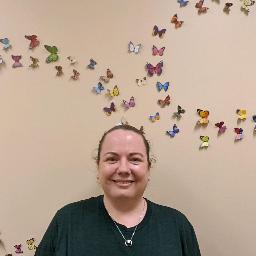
Sarah Axley is a Licensed Clinical Social Worker who focuses on helping people manage stress, anger, anxiety, and life changes. She speaks plainly and works alongside clients to make sense of what’s happening and find practical steps forward. Her style is collaborative and strengths-based, aimed at building skills people can use between sessions.
Sarah trained at Virginia Commonwealth University, earning a Master of Social Work and a Post Baccalaureate Certificate in Aging Studies.
Background and approach
She has provided psychotherapy since 2009 across outpatient clinics, intensive community settings, and hospital care. She earned her LCSW in 2012 and brings 15 years of clinical experience to her work. She often blends client-centered techniques with cognitive behavioral strategies and mindfulness practices.
That mix helps with things like managing strong emotions, reducing anxiety, and changing unhelpful thinking patterns. Motivational interviewing and narrative approaches are used when people want to strengthen motivation or reframe life stories. Sessions include concrete skill-building, communication practice, and short between-session tasks.
Sarah emphasizes small, doable steps so progress feels manageable. She also offers support for grief, addictions, sleep problems, parenting strain, and LGBT concerns, among other issues. Sarah sees people by appointment in the evenings and on Saturday late mornings and afternoons.
She accepts international clients and works with people across a broad range of challenges, helping them find tools that fit their lives.
What Sarah works with
Everything Sarah lists, in the therapist's own terms. Anger is the reason this directory exists; the rest tells you what usually sits alongside it in Sarah's practice.
- Stress, Anxiety
- Addictions
- Grief
- Self esteem
- Depression
- LGBT
- Relationship issues
- Family conflicts
- Trauma and abuse
- Sleeping disorders
- Parenting issues
- Anger management
- Bipolar disorder
- Coping with life changes
- Aging and geriatric issues
- Autism and Asperger Syndrome
- Caregiver issues and stress
- Chronic pain, illness, and disability
- Co-morbidity
- Codependency
- Communication problems
- Drug and alcohol addiction
- Family of origin issues
- Family problems
- First responder issues
- Guilt and shame
- Hospice and end-of-life counseling
- Intellectual disability
- Isolation / loneliness
- Jealousy
- Life purpose
- Mood disorders
- Panic disorder and panic attacks
- Self-love
- Social anxiety and phobia
- Women's issues
- Young adult issues
Approaches Sarah lists
- Client-Centered Therapy
- Cognitive Behavioral Therapy (CBT)
- Mindfulness Therapy
- Motivational Interviewing
- Narrative Therapy
- Solution-Focused Therapy
Listing an approach is not evidence of training in it. This directory copies what each therapist names and does not check training records.
Approaches that translate well to online therapy
Client-Centered Therapy focuses on listening closely and following what matters most to the person. It helps people feel heard and figure out goals at their own pace. Cognitive Behavioral Therapy, or CBT, looks at the links between thoughts, feelings, and actions and teaches practical skills to change unhelpful patterns. It is useful for anxiety, depression, and anger management.Finding the right mix of approaches is part of the process. The therapist will work collaboratively to choose methods that match the client's goals, preferences, and the issues they bring. That may mean trying a few techniques and adjusting based on what helps most.
Online sessions are available as video calls, phone sessions, live chat, or text-based messaging. Video calls let people use visual cues and longer conversations. Phone sessions can fit a break at work or require less bandwidth. Live chat and messaging offer shorter check-ins or ongoing support between appointments. These options make it easier to fit therapy into busy schedules and maintain continuity of care.
Questions people ask about Sarah
What concerns does Sarah help with?
She helps with stress, anger, anxiety, depression, addictions, grief, self-esteem, sleep problems, parenting strain, and coping with life changes, among other concerns.
What is her therapeutic style like?
Her style is collaborative and client-centered, combining practical skill work with cognitive behavioral and mindfulness techniques to address thoughts, feelings, and behaviors.
How much clinical experience does she have?
She has been providing psychotherapy since 2009, totaling about 15 years of experience in outpatient, community-based, and hospital settings.
What are her credentials and where is she based?
She is a Licensed Clinical Social Worker (LCSW) licensed in Virginia and works out of that state.
Which languages and international options are available?
Sessions are offered in English, and she accepts international clients.
What session formats does she use?
She meets via video calls, phone sessions, live chat, and text-based messaging to provide flexible ways to connect.
How does pricing work for sessions?
Cost varies with location and therapist availability; sessions are provided through a subscription model that can be canceled at any time.
How do I begin working with her?
Start by selecting the Start Therapy button, completing a short matching questionnaire, and scheduling according to therapist availability.