How Sarah works
Practical facts
- Credentials
- LISW
- Licensed in
- Ohio
- Years in practice
- 14
- Languages
- English
- Session format
- Online, through our partner platform
About Sarah
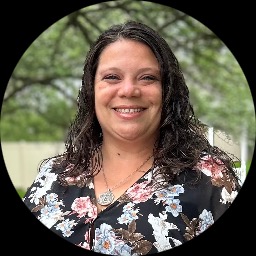
Sarah Claridge is a Licensed Independent Social Worker (LISW) based in Ohio with 14 years of experience. She focuses on helping people manage strong emotions, cope with life changes, and reduce anxiety and stress. She also supports those dealing with addiction, trauma, grief, and challenges around relationships and self-esteem.
Sarah uses a person-centered way of working that keeps the client's goals in focus. Sessions are practical and grounded, with straightforward tools to try between meetings.
Background and approach
She often brings in cognitive behavioral techniques to spot unhelpful thinking patterns and solution-focused ideas to set small, achievable steps. Mindfulness is part of her approach when people need help calming their nervous system or staying present during hard moments. Motivational interviewing is used to explore ambivalence about change, especially with substance use and addictive behaviors.
These methods are combined to match each person's needs rather than following a single script. Her work covers a wide range of concerns, from mood disorders and ADHD to compassion fatigue and obsessional behaviors. She pays attention to communication problems, codependency, and the particular stressors of first responders and people in non-monogamous relationships.
Anger is addressed through practical strategies that reduce escalation and improve coping. People who choose her often want a respectful, non-judgmental space to work through painful experiences and build new habits. The focus is on collaboration, clear steps, and measurable progress over time.
What Sarah works with
Everything Sarah lists, in the therapist's own terms. Anger is the reason this directory exists; the rest tells you what usually sits alongside it in Sarah's practice.
- Stress, Anxiety
- Addictions
- Trauma and abuse
- Depression
- Coping with life changes
- LGBT
- Relationship issues
- Family conflicts
- Grief
- Parenting issues
- Anger management
- Self esteem
- Career difficulties
- Bipolar disorder
- Compassion fatigue
- ADHD
- Codependency
- Communication problems
- Drug and alcohol addiction
- First responder issues
- Guilt and shame
- Isolation / loneliness
- Life purpose
- Mood disorders
- Obsessions, compulsions, and OCD
- Panic disorder and panic attacks
- Polyamory / non-monogamous relationships
- Post-traumatic stress
- Process addiction (porn, exercise, gambling)
- Seasonal Affective Disorder (SAD)
- Self-love
- Sexual assault and abuse
- Social anxiety and phobia
- Women's issues
Approaches Sarah lists
- Client-Centered Therapy
- Cognitive Behavioral Therapy (CBT)
- Mindfulness Therapy
- Motivational Interviewing
- Solution-Focused Therapy
- Trauma-Focused Therapy
Listing an approach is not evidence of training in it. This directory copies what each therapist names and does not check training records.
How her approaches translate to online care
Sarah combines client-centered work and cognitive behavioral therapy to make online sessions focused and action-oriented. Client-centered therapy means conversations center on the person's priorities and values, helping them feel heard and guiding decisions. Cognitive behavioral therapy looks at thoughts and behaviors to create small, testable changes that reduce anxiety, anger, and low mood.She often blends mindfulness into sessions to teach simple attention and grounding practices you can use between meetings. These practices help when emotions feel overwhelming and make it easier to try new responses in daily life. Together, therapist and client choose which methods to use based on goals, strengths, and what's working or not working in real time.
Online work is offered through video calls, phone sessions, live chat, and text-based messaging to provide flexibility. Video is useful for deeper conversations and skill coaching, phone works well when bandwidth is limited, live chat supports shorter check-ins, and messaging lets people share progress and get brief guidance between sessions. This variety makes it easier to fit therapy into a busy schedule and try different formats until the best fit is found.
Questions people ask about Sarah
What kinds of concerns does she help with?
She works with stress, anxiety, depression, trauma, addiction, anger, self-esteem, grief, and a range of mood and behavioral concerns.
What is her therapy style like?
Her style is person-centered and practical, blending cognitive behavioral techniques, mindfulness, and solution-focused work to set achievable goals.
How much experience does she have?
She has 14 years of clinical experience as a Licensed Independent Social Worker in Ohio.
Where is she licensed and practicing?
She holds an Ohio LISW credential and practices in Ohio.
Which languages are sessions offered in?
Sessions are offered in English.
Can I work with her from outside the United States?
International clients are not currently accepted; she works with clients located within her permitted region.
What session formats are available?
Sessions are available by video calls, phone sessions, live chat, or text-based messaging to suit different needs and schedules.
How does cost and scheduling work?
Cost varies with location and therapist availability and uses a subscription model that can be canceled at any time; start by using the Start Therapy button and completing the matching questionnaire.