How Sarah works
Practical facts
- Credentials
- LMHC
- Licensed in
- Florida
- Years in practice
- 15
- Languages
- English
- Session format
- Online, through our partner platform
About Sarah
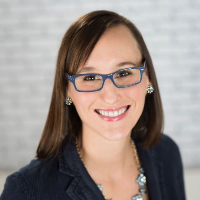
Sarah Watt is a Licensed Mental Health Counselor (LMHC) with 15 years of clinical experience. She draws on years of work in hospitals, community settings, residential treatment, schools, and outpatient care to support people facing difficult life moments. Sarah emphasizes steady, practical help rather than quick fixes.
Clients meet a therapist who aims to be direct, warm, and dependable. Sessions focus on clear goals and skills you can use between meetings.
Background and approach
Sarah often helps people with stress, anxiety, addiction concerns, grief, relationship and intimacy questions, and anger. Her clinical history includes work with trauma, dissociation, and recovery from substance problems. That background informs how she structures treatment and safety planning when needed.
She also addresses sleep struggles, parenting strain, self-esteem, career shifts, bipolar disorder, depression, ADHD, and relationship strain. Sarah uses a mix of approaches to fit each person. She draws from client-centered therapy, cognitive behavioral therapy (CBT), dialectical behavior therapy (DBT), EMDR, and the Gottman Method.
In practice this means sessions include listening, skill teaching, emotion regulation, and processing of painful memories when appropriate. People who reach out can expect a collaborative tone. Sarah checks in about goals and adjusts methods to match what is most helpful.
She invites a short video or phone chat first so prospective clients can get a sense of fit before committing to regular sessions.
What Sarah works with
Everything Sarah lists, in the therapist's own terms. Anger is the reason this directory exists; the rest tells you what usually sits alongside it in Sarah's practice.
- Stress, Anxiety
- Addictions
- Trauma and abuse
- Grief
- Intimacy-related issues
- LGBT
- Relationship issues
- Family conflicts
- Sleeping disorders
- Parenting issues
- Anger management
- Self esteem
- Career difficulties
- Bipolar disorder
- Depression
- Coping with life changes
- ADHD
- Abandonment
- Attachment issues
- Codependency
- Commitment issues
- Dissociation
- Divorce and separation
- Drug and alcohol addiction
- Emptiness
- Family of origin issues
- Family problems
- Gender dysphoria
- Guilt and shame
- Infidelity
- Isolation / loneliness
- Veteran and Armed Forces Issues
- Mood disorders
- Panic disorder and panic attacks
- Post-traumatic stress
- Process addiction (porn, exercise, gambling)
- Self-harm
- Self-love
- Sex addiction
- Sexual assault and abuse
- Sexual dysfunction
- Sexuality
- Women's issues
- Workplace issues
- Young adult issues
Approaches Sarah lists
- Client-Centered Therapy
- Cognitive Behavioral Therapy (CBT)
- Dialectical Behavior Therapy (DBT)
- Eye Movement Desensitization and Reprocessing (EMDR)
- Gottman Method
- Narrative Therapy
- Psychodynamic Therapy
- Trauma-Focused Therapy
- Internal Family Systems
Listing an approach is not evidence of training in it. This directory copies what each therapist names and does not check training records.
How Sarah's Methods Translate to Online Care
Client-centered therapy focuses on the relationship and being heard. In practice this means sessions begin with open listening and the therapist reflecting your concerns back so you feel understood. Cognitive Behavioral Therapy, or CBT, breaks problems into thoughts, feelings, and actions and teaches practical skills to change unhelpful patterns, which helps with anxiety, depression, and anger. Dialectical Behavior Therapy, or DBT, emphasizes emotion regulation, distress tolerance, and interpersonal skills; it is useful when strong emotions feel overwhelming.Finding the right approach is a collaborative process. Sarah will talk with each person about goals and preferences, and then recommend or combine methods that fit those needs. She checks in regularly and adapts techniques based on what is working for the individual.
Online formats include video calls, phone sessions, live chat, and text-based messaging to give flexible options. Video offers face-to-face interaction for skills practice and deeper conversation. Phone sessions can be a good alternative when bandwidth is limited or a shorter check-in is needed. Chat and messaging support ongoing contact and brief updates between longer sessions, which can help maintain momentum and practice skills in daily life.
Questions people ask about Sarah
What concerns does Sarah commonly address?
She helps people with stress, anxiety, addictions, trauma, grief, anger, relationship and intimacy issues, and related concerns such as sleep problems and self-esteem.
What is her therapeutic style like?
She combines listening with practical skill teaching and collaborative goal setting, aiming for clear plans and tools people can use between sessions.
How long has she been practicing?
She has 15 years of experience across inpatient, community, residential, school-based, and outpatient settings.
What are her credentials and where is she based?
She is a Licensed Mental Health Counselor (LMHC) practicing in Florida.
Which languages are supported?
Sessions are offered in English only and international clients are not currently accepted.
What session formats are available?
She offers video calls, phone sessions, live chat, and text-based messaging to suit different needs and schedules.
How is payment handled?
Cost varies with location and therapist availability; sessions use a subscription that can be canceled at any time.
How do I begin working with her?
Click the Start Therapy button, complete a short matching questionnaire, and then schedule according to therapist availability.