Works with
- Anger
- Stress, Anxiety
- Relationship issues
- Family conflicts
- Trauma and abuse
- Depression
How Sharrisse works
Practical facts
- Credentials
- LPC
- Licensed in
- Georgia
- Years in practice
- 8
- Languages
- English
- Session format
- Online, through our partner platform
About Sharrisse
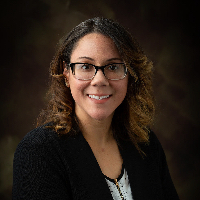
Sharrisse El Amrani, LPC, helps people who are feeling stuck, overwhelmed, or angry to find clearer ways forward. She writes short, direct goals with clients and focuses on practical steps that can be used between sessions. Her style is warm and straightforward, aimed at people who want concrete change and better day-to-day functioning.
She draws on person-centered ideas that treat the client as the expert in their own life. That means listening first, then suggesting tools that match what the person already values.
Background and approach
She also uses cognitive behavioral techniques to spot patterns of thinking that keep problems alive and to teach small skills that shift those patterns. With eight years as a Licensed Professional Counselor in Georgia, she has supported people dealing with stress, anxiety, depression, trauma, anger, addiction concerns, and relationship or family challenges.
She also helps clients facing parenting stress, grief, body image worries, attention challenges, and the effects of abandonment or family-of-origin issues. Her sessions often include mindfulness practices to calm the body and increase awareness. Attachment-based ideas guide work on connection and trust issues.
Existential questions are brought in when people want to find new meaning after big life changes. Sharrisse offers a mix of short skill-building exercises and deeper conversations about patterns and values. She explains techniques in plain language and helps people practice them until they feel usable.
This approach suits people who want both practical tools and personal exploration.
What Sharrisse works with
Everything Sharrisse lists, in the therapist's own terms. Anger is the reason this directory exists; the rest tells you what usually sits alongside it in Sharrisse's practice.
- Stress, Anxiety
- Relationship issues
- Family conflicts
- Trauma and abuse
- Depression
- Addictions
- LGBT
- Grief
- Intimacy-related issues
- Parenting issues
- Anger management
- Self esteem
- Career difficulties
- Bipolar disorder
- Coping with life changes
- Compassion fatigue
- ADHD
- Abandonment
- Adoption and foster care
- Attachment issues
- Blended family issues
- Body image
- Caregiver issues and stress
- Codependency
- Commitment issues
- Communication problems
- Control issues
- Emptiness
- Family of origin issues
- Family problems
- Fatherhood issues
- Forgiveness
- Guilt and shame
- Immigration issues
- Impulsivity
- Infidelity
- Isolation / loneliness
- Jealousy
- Life purpose
- Midlife crisis
- Mood disorders
- Multicultural concerns
- Postpartum depression
- Post-traumatic stress
- Pregnancy and childbirth
- Prejudice and discrimination
- Seasonal Affective Disorder (SAD)
- Self-harm
- Self-love
- Sexual assault and abuse
- Social anxiety and phobia
- Women's issues
- Workplace issues
Approaches Sharrisse lists
- Acceptance and Commitment Therapy (ACT)
- Attachment-Based Therapy
- Client-Centered Therapy
- Cognitive Behavioral Therapy (CBT)
- Existential Therapy
- Mindfulness Therapy
- Motivational Interviewing
- Narrative Therapy
- Solution-Focused Therapy
Listing an approach is not evidence of training in it. This directory copies what each therapist names and does not check training records.
How her approaches translate to online therapy
Acceptance and Commitment Therapy, or ACT, helps people connect with their values and take small steps toward what matters. It uses simple exercises to notice painful thoughts while still moving toward goals, which can help with anger, anxiety, and life changes. Cognitive Behavioral Therapy, or CBT, focuses on identifying and changing unhelpful thinking and behavior patterns. It breaks problems into manageable skills and homework that a person can practice between sessions.Finding the right approach is part of the work together. The therapist will review a client's goals, preferences, and day-to-day challenges and then recommend steps drawn from ACT, CBT, and attachment ideas. That process is collaborative and can be adjusted as needs change.
Online sessions are offered by video call, phone, live chat, or text-based messaging to fit different routines. Video works well for in-depth conversation and exercises that use visual materials. Phone sessions can be a good choice when bandwidth is limited or when a shorter check-in is needed. Live chat and text messaging support ongoing check-ins, brief skill practice, and flexible scheduling without needing to be on camera.
Questions people ask about Sharrisse
What concerns does she address?
She works with stress, anxiety, depression, trauma, anger, addictions, relationship and family issues, and related concerns such as grief, parenting strain, body image, ADHD, and career stress.
What is her therapeutic style like?
Her approach is person-centered and practical. She listens first, then teaches skills from cognitive behavioral and mindfulness practices to help people change unhelpful patterns.
How much clinical experience does she have?
She has eight years of experience as a licensed counselor working with people facing mood issues, trauma, relationship struggles, and life transitions.
Where is she licensed and based?
She is a Licensed Professional Counselor (LPC) practicing in the state of Georgia.
Which languages are supported for sessions?
Sessions are offered in English.
Can people outside the U.S. meet with her?
International clients are not currently accepted; sessions are offered to clients within the therapist's permitted regions.
What session formats are available?
She offers video calls, phone sessions, live chat, and text-based messaging to fit different schedules and communication preferences.
How are fees and starting therapy handled?
Cost varies with location and therapist availability and uses a subscription that can be canceled at any time. To begin, select the Start Therapy button, complete a short matching questionnaire, and schedule based on the therapist's availability.