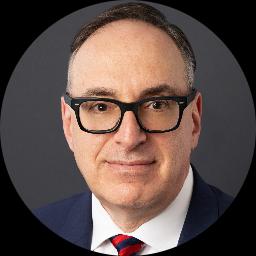
Shelly "Sheldon" Lewin, LICSW, LCSW
Experienced LICSW and LCSW focused on practical change
Book with ShellyWorks with
- Anger
- Relationship issues
- Trauma and abuse
- Career difficulties
- Depression
- Coping with life changes
How Shelly works
Practical facts
- Credentials
- LICSW, LCSW
- Licensed in
- Illinois, Kentucky, Florida, New Mexico, West Virginia, Arizona
- Years in practice
- 30
- Languages
- English
- Session format
- Online, through our partner platform
About Shelly
Shelly "Sheldon" Lewin is a licensed clinical social worker with three decades of experience. He practices in New Mexico and helps people facing anger, depression, grief, addiction, relationship problems, and major life changes. He brings a calm, direct style and aims to build practical skills that people can use between sessions.
He spent many years in executive roles at major health systems across the U.S. This background shaped his focus on clear communication and practical problem solving.
Background and approach
He earned a Master of Social Work from Loyola University and an MBA from North Park University. He also completed an executive management program at the University of Southern California. Sessions begin with a straightforward review of goals and a plan that fits the person’s life.
He combines short-term strategies with deeper exploration of patterns that keep problems going. That mix can help with things like managing anger, coping with loss, changing behavior, or improving relationships. He uses approaches such as Cognitive Behavioral Therapy, psychodynamic ideas, solution-focused methods, Emotionally-Focused Therapy, and Motivational Interviewing.
Those tools are blended to match each person’s needs rather than applied the same way to everyone. People appreciate a practical, strength-based approach that balances support with clear steps forward. Outside of work he enjoys hiking, travel, reading, and art.
He lives in New Mexico with his wife and their Yorkie, Kugel.
What Shelly works with
Everything Shelly lists, in the therapist's own terms. Anger is the reason this directory exists; the rest tells you what usually sits alongside it in Shelly's practice.
- Relationship issues
- Trauma and abuse
- Career difficulties
- Depression
- Coping with life changes
- Addictions
- Grief
- Eating disorders
- Anger management
- Self esteem
- Bipolar disorder
- Coaching
- Compassion fatigue
- Abandonment
- Aging and geriatric issues
- Attachment issues
- Cancer
- Caregiver issues and stress
- Chronic pain, illness, and disability
- Communication problems
- Control issues
- Divorce and separation
- Drug and alcohol addiction
- Eating and food-related issues
- Emptiness
- Family problems
- Forgiveness
- Guilt and shame
- Infidelity
- Isolation / loneliness
- Jealousy
- Life purpose
- Men's issues
- Midlife crisis
- Money and financial issues
- Obsessions, compulsions, and OCD
- Panic disorder and panic attacks
- Personality disorders
- Post-traumatic stress
- Prejudice and discrimination
- Self-love
- Sex addiction
- Sexuality
- Social anxiety and phobia
- Workplace issues
Approaches Shelly lists
- Cognitive Behavioral Therapy (CBT)
- Emotionally-Focused Therapy (EFT)
- Motivational Interviewing
- Psychodynamic Therapy
- Solution-Focused Therapy
- Trauma-Focused Therapy
Listing an approach is not evidence of training in it. This directory copies what each therapist names and does not check training records.
Approaches that guide online therapy and practical tools
He often draws on Cognitive Behavioral Therapy to help people notice unhelpful thoughts and try different behaviors; CBT is useful for anger, depression, and anxiety because it focuses on skills people can practice. He also uses Emotionally-Focused Therapy to help people identify and respond to strong emotions in healthier ways, which can improve communication and emotional connection. Motivational Interviewing is another approach he uses to help people find their own reasons to change and stay engaged in the process.Finding the right approach is part of the work together. He will listen to your goals, try methods that fit those goals, and adjust over time. The process is collaborative - you and the therapist decide which tools are most helpful and when to shift strategies.
Online therapy offers flexibility that can make it easier to keep momentum. Video sessions let you work face to face when you want real-time interaction. Phone sessions can be a good option when bandwidth is limited or a simpler check-in fits your day. Live chat and text-based messaging work well for brief updates, coaching-style support, or when you want to reflect between sessions. These options make it easier to fit therapy into a busy life while using the same therapeutic approaches and goals you would in person.
Questions people ask about Shelly
What concerns does he help with?
He works with issues such as anger, depression, addictions, grief, relationship struggles, career stress, coping with life changes, self-esteem, and trauma-related problems.
How would you describe his therapeutic style?
He uses a direct, compassionate style that mixes short-term tools with deeper exploration. Sessions focus on clear goals and practical steps people can use between meetings.
What experience does he bring to therapy?
He has 30 years of experience including executive roles in major health systems and long clinical practice. That background informs his emphasis on communication and problem solving.
What are his credentials and location?
He holds LICSW and LCSW credentials and practices in New Mexico.
Which languages are supported and can he work internationally?
Sessions are offered in English. He is not currently accepting international clients.
What session formats does he offer?
He provides video calls, phone sessions, live chat, and text-based messaging to fit different schedules and needs.
How much do sessions cost?
Cost varies by location and therapist availability and sessions use a subscription model that can be canceled at any time.
How do I begin working with him?
To get started, select the Start Therapy button, complete a short matching questionnaire, and schedule according to therapist availability.