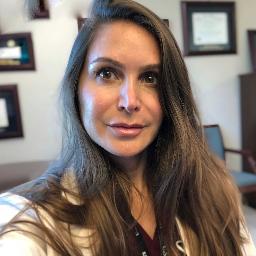
Dr. Soseh Sardarian, FL Psychologist
Calm-focused care for life’s hard moments
Explore online therapy optionsWorks with
- Anger
- Stress, Anxiety
- Trauma and abuse
- Intimacy-related issues
- Sleeping disorders
- Depression
How Soseh works
- Not listed
Practical facts
- Credentials
- FL Psychologist
- Licensed in
- Florida
- Years in practice
- 3
- Languages
- English
- Session format
- Online, through our partner platform
About Soseh
Dr. Soseh Sardarian is a Florida psychologist with three years of professional experience. She focuses on helping people manage stress, anxiety, trauma, sleep difficulties, and anger.
Her approach is grounded in respect, sensitivity, and compassion for each person she meets. She creates sessions that fit the needs of the individual rather than using a one-size-fits-all plan. Conversations and goals are adapted over time so progress feels realistic and achievable.
She works with concerns such as depression, addictions, self-esteem, and relationship or intimacy-related issues.
Background and approach
Dr. Sardarian also addresses issues tied to family of origin, attachment and abandonment, caregiver strain, and chronic illness. Practical topics like career decisions, parenting challenges, and coping with life changes are part of her practice.
She supports people coping with grief, eating struggles, bipolar mood concerns, and ADHD as well. Sessions are focused on clear steps people can take between meetings. That may include communication strategies, problem-solving techniques, or tools to reduce arousal and improve sleep.
The plan is adjusted based on what works for the person in front of her. She welcomes clients who identify as LGBT and those dealing with immigration-related stress. Dr.
Sardarian aims to make the path forward manageable by breaking larger problems into smaller, solvable tasks.
What Soseh works with
Everything Soseh lists, in the therapist's own terms. Anger is the reason this directory exists; the rest tells you what usually sits alongside it in Soseh's practice.
- Stress, Anxiety
- Trauma and abuse
- Intimacy-related issues
- Sleeping disorders
- Depression
- Addictions
- LGBT
- Relationship issues
- Family conflicts
- Grief
- Eating disorders
- Parenting issues
- Anger management
- Self esteem
- Career difficulties
- Bipolar disorder
- Coping with life changes
- Coaching
- Compassion fatigue
- ADHD
- Abandonment
- Attachment issues
- Autism and Asperger Syndrome
- Caregiver issues and stress
- Chronic pain, illness, and disability
- Co-morbidity
- Commitment issues
- Communication problems
- Control issues
- Domestic violence
- Family of origin issues
- Family problems
- Forgiveness
- Guilt and shame
- Immigration issues
- Impulsivity
- Isolation / loneliness
- Life purpose
- Men's issues
- Midlife crisis
- Veteran and Armed Forces Issues
- Money and financial issues
- Mood disorders
- Multicultural concerns
- Obsessions, compulsions, and OCD
- Panic disorder and panic attacks
- Phobias
- Post-traumatic stress
- Process addiction (porn, exercise, gambling)
- Seasonal Affective Disorder (SAD)
- Self-love
- Sex addiction
- Sexual assault and abuse
- Sexual dysfunction
- Social anxiety and phobia
- Traumatic brain injury
- Women's issues
- Workplace issues
- Young adult issues
Approaches that translate well to online care
Evidence-based strategies often used in her work include short-term, skills-focused work that teaches practical coping tools for anxiety, anger, and sleep problems. This approach breaks issues into manageable steps and gives people simple skills to practice between sessions.Another common strand is trauma-informed support that emphasizes safety, pacing, and gradual processing of difficult experiences. That method focuses on stabilizing symptoms and building resources before addressing deeper material, which can help with trauma, grief, and abuse-related concerns.
Finding the right approach is part of the work together. She will collaborate with each person to clarify goals, try methods that match those goals, and adjust the plan when needed. Clients and therapist decide what techniques feel most useful based on progress and preference.
Online formats - video calls, phone sessions, live chat, and text messaging - make it easier to fit therapy into busy lives. Video is helpful for face-to-face conversations, phone calls use less bandwidth, live chat can be a quick check-in, and messaging supports ongoing reflection between sessions. These options provide flexibility so therapy can match a person’s schedule and day-to-day needs.
Questions people ask about Soseh
What concerns does Dr. Sardarian address?
She helps people with stress, anxiety, trauma and abuse, anger, sleeping problems, depression, addictions, relationship and intimacy-related issues, and many related life concerns.
What is her therapy style like?
Her style is respectful and compassionate. She tailors conversations and plans to the person, focusing on realistic steps and skills to use between sessions.
How much experience does she have?
Dr. Sardarian has three years of professional experience working as a psychologist in Florida.
What are her credentials and where is she based?
She practices as a Florida Psychologist with the designation FL Psychologist PY11262 and is located in Florida.
Which languages are supported for sessions?
Sessions are offered in English and international clients are accepted.
What formats are available for sessions?
Sessions can take place via video calls, phone sessions, live chat, or text-based messaging to fit different needs and schedules.
How is cost handled for sessions?
Cost varies with location and therapist availability; sessions use a subscription that can be canceled at any time.
How do I begin working with her?
To begin, select the Start Therapy button, complete a short matching questionnaire, and schedule sessions according to therapist availability.