Works with
How Stephen works
Practical facts
- Credentials
- LMFT
- Licensed in
- California, Texas, Virginia
- Years in practice
- 24
- Languages
- English
- Session format
- Online, through our partner platform
About Stephen
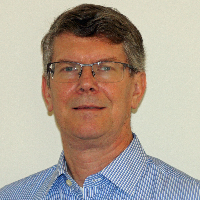
Stephen Creel is a licensed Marriage and Family Therapist (LMFT) with 24 years of experience. He began his working life as a professional drummer in Hollywood, and later shifted into clinical practice after discovering the personal benefits of therapy. Stephen focuses on helping people move past stuck patterns and find clearer ways to live.
He uses straightforward conversation and practical tools to tackle problems like anger, addiction, anxiety, depression, and trauma.
Background and approach
Sessions are collaborative - he listens, asks useful questions, and helps clients test new ways of thinking and behaving. He often helps people identify old, hurtful beliefs about themselves and replace them with more helpful ideas. Stephen trained at Pepperdine University where he earned a Master’s degree in Clinical Psychology in 2001.
Since then he has worked in rehabilitation settings and independent practice, supporting clients through substance use recovery, post-traumatic stress, mood disorders, and codependency. That background gives him lots of experience with the ups and downs of recovery work. In the therapy room he blends client-centered work with practical methods such as cognitive behavioral tools and trauma-focused techniques.
He may use exercises that change thought patterns, and when appropriate offer trauma-focused approaches such as EMDR to process painful memories. Motivational interviewing is another tool he uses to support change. Stephen sees clients in California and conducts sessions in English.
His approach aims to be direct, steady, and respectful while partnering with each person on realistic next steps toward feeling better.
What Stephen works with
Everything Stephen lists, in the therapist's own terms. Anger is the reason this directory exists; the rest tells you what usually sits alongside it in Stephen's practice.
- Stress, Anxiety
- Addictions
- Trauma and abuse
- Self esteem
- Depression
- Relationship issues
- Family conflicts
- Grief
- Intimacy-related issues
- Parenting issues
- Anger management
- Career difficulties
- Coping with life changes
- Caregiver issues and stress
- Codependency
- Communication problems
- Drug and alcohol addiction
- Family of origin issues
- Forgiveness
- Guilt and shame
- Isolation / loneliness
- Life purpose
- Midlife crisis
- Veteran and Armed Forces Issues
- Mood disorders
- Panic disorder and panic attacks
- Post-traumatic stress
- Process addiction (porn, exercise, gambling)
- Self-love
- Sex addiction
Approaches Stephen lists
- Client-Centered Therapy
- Cognitive Behavioral Therapy (CBT)
- Eye Movement Desensitization and Reprocessing (EMDR)
- Motivational Interviewing
- Trauma-Focused Therapy
Listing an approach is not evidence of training in it. This directory copies what each therapist names and does not check training records.
Practical therapy approaches for online care
Stephen blends client-centered work with cognitive behavioral therapy and trauma-focused methods. Client-centered therapy means the conversation is led by the client’s concerns and goals while the therapist provides steady listening and support. Cognitive behavioral therapy focuses on identifying unhelpful thoughts and trying small behavior changes to test new ways of coping. Trauma-focused therapy and EMDR are used to address painful memories and strong reactions that get in the way of daily life. Finding the right approach is part of the work. Stephen will talk with each person about their goals, symptoms, and preferences and then try methods that fit those needs. That way the plan evolves through collaboration rather than being fixed at the start. Online sessions are offered by video call, phone, live chat, or text-based messaging to make therapy fit different schedules and styles. Video calls let people work face to face when that helps, phone sessions use less bandwidth and can be easier to fit into a short break, live chat can be useful for quick check-ins, and messaging supports ongoing reflection between sessions. These options aim to make it simpler to keep therapy consistent while balancing daily life.Questions people ask about Stephen
What concerns does this therapist address?
Stephen works with a wide range of concerns including anger, addictions, anxiety, depression, trauma and abuse, self-esteem, relationship and family issues, grief, parenting stress, career change, and coping with life transitions.
How would you describe his therapy style?
He practices a collaborative, client-centered style and combines listening with practical tools. Sessions often include cognitive behavioral techniques and trauma-focused methods to help people change unhelpful thoughts and reactions.
What is his background and experience?
Stephen has 24 years of clinical experience. He earned a Master’s degree in Clinical Psychology from Pepperdine University in 2001 and has worked in rehab settings and independent practice supporting recovery and trauma work.
What credentials and location are listed?
He is a licensed Marriage and Family Therapist - LMFT - with licenses in Texas and California, and he practices in California.
Which languages are supported for sessions?
Sessions are offered in English.
What session formats are available?
Sessions can be done by video calls, phone sessions, live chat, or text-based messaging to match different scheduling and communication needs.
How is cost handled for sessions?
Cost varies with location and therapist availability; sessions use a subscription model that can be canceled at any time.
How do I begin working with this therapist?
Start by selecting the Start Therapy button, complete a short matching questionnaire, and then schedule sessions based on the therapist's availability.