Works with
- Anger
- Stress, Anxiety
- Relationship issues
- Family conflicts
- Trauma and abuse
- Depression
How Stuart works
- Not listed
Practical facts
- Credentials
- LCSW
- Licensed in
- Illinois, Florida
- Years in practice
- 35
- Languages
- English
- Session format
- Online, through our partner platform
About Stuart
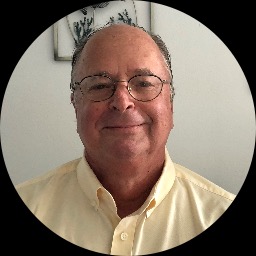
Stuart Marcus is a licensed clinical social worker with 35 years of experience helping people facing stress, anxiety, depression, and anger. He practices in Florida and is also licensed in Illinois. Stuart aims to make the first step easier by offering a calm, nonjudgmental space for people to talk about what’s most worrying them.
He helps people untangle relationship strain and family conflict by listening first and asking clear questions.
Background and approach
Sessions focus on everyday problems and practical changes rather than jargon. He also supports people coping with trauma, addiction, bipolar disorder, ADHD, and parenting challenges. Stuart uses evidence-based therapeutic techniques to guide conversations toward real-world solutions.
He works at a steady pace and tailors approaches to what each person needs. This often means breaking big problems into small, manageable steps and practicing new ways of responding to stress and anger. Over 35 years he has worked with people dealing with abandonment, adoption and foster care issues, caregiver stress, attachment concerns, and blended family dynamics.
He also addresses challenges like body image, communication problems, control issues, and coping with disasters. Stuart offers help in English and is open to international clients. He encourages people who are uncertain or anxious about starting therapy to take that first step and see how a few conversations can create space for change.
What Stuart works with
Everything Stuart lists, in the therapist's own terms. Anger is the reason this directory exists; the rest tells you what usually sits alongside it in Stuart's practice.
- Stress, Anxiety
- Relationship issues
- Family conflicts
- Trauma and abuse
- Depression
- Addictions
- Parenting issues
- Anger management
- Bipolar disorder
- ADHD
- Abandonment
- Adoption and foster care
- Aging and geriatric issues
- Antisocial personality
- Attachment issues
- Autism and Asperger Syndrome
- Avoidant personality
- Blended family issues
- Body image
- Caregiver issues and stress
- Codependency
- Commitment issues
- Communication problems
- Control issues
- Coping with natural or human-caused disaster
- Dependent personality
- Disruptive Mood Dysregulation Disorder (DMDD)
- Dissociation
- Divorce and separation
- Emptiness
- Family of origin issues
- Family problems
- Fatherhood issues
- First responder issues
- Forgiveness
- Guilt and shame
- Hoarding
- Impulsivity
- Intellectual disability
- Isolation / loneliness
- Jealousy
- Life purpose
- Men's issues
- Midlife crisis
- Veteran and Armed Forces Issues
- Money and financial issues
- Mood disorders
- Multicultural concerns
- Narcissism
- Obsessions, compulsions, and OCD
- Panic disorder and panic attacks
- Paranoia
- Personality disorders
- Phobias
- Postpartum depression
- Post-traumatic stress
- Prejudice and discrimination
- Process addiction (porn, exercise, gambling)
- Seasonal Affective Disorder (SAD)
- Self-harm
- Self-love
- Sexual assault and abuse
- Smoking / vaping cessation
- Social anxiety and phobia
- Trichotillomania
- Visually impaired
- Workplace issues
- Young adult issues
Approaches That Guide Online Sessions
Stuart uses evidence-based therapeutic techniques focused on practical change. One common approach is problem-focused work that breaks large issues into smaller tasks to practice between sessions; this helps with stress, anger, and daily coping. Another approach emphasizes processing trauma and difficult memories through careful, paced conversations to reduce their day-to-day impact and improve functioning.Choosing the right method is part of the work together. Stuart collaborates with each person to decide which techniques make sense based on their goals, symptoms, and what feels comfortable. He adjusts the plan as progress is made and new challenges appear.
Online formats include video calls, phone sessions, live chat, and text-based messaging. Video calls allow face-to-face conversation and visual cues. Phone sessions can be easier when bandwidth is limited or a shorter check-in fits a work break. Live chat and text messaging let people share thoughts in writing and fit sessions into busy schedules. These options make therapy more flexible and easier to attend from different places.
Questions people ask about Stuart
What concerns does Stuart help with?
He supports people with stress, anxiety, depression, anger, relationship strain, family conflict, trauma and abuse, addictions, bipolar disorder, and ADHD among other concerns.
What is his therapeutic style like?
He keeps sessions straightforward and practical, listening first and helping people break big problems into manageable steps.
How long has he practiced?
He brings 35 years of professional experience working with many kinds of emotional and behavioral challenges.
Which credentials and location apply to his practice?
He is a licensed clinical social worker - LCSW - licensed in Florida and Illinois and practices from Florida.
Are sessions available in other languages or countries?
Sessions are offered in English and he accepts international clients.
What session formats are used?
He offers video calls, phone sessions, live chat, and text-based messaging to fit different needs and schedules.
How are fees and payments handled?
Cost varies with location and therapist availability; sessions use a subscription model that can be canceled at any time.
How do I begin working with him?
Select the Start Therapy button, complete a short matching questionnaire, and then schedule sessions based on therapist availability.